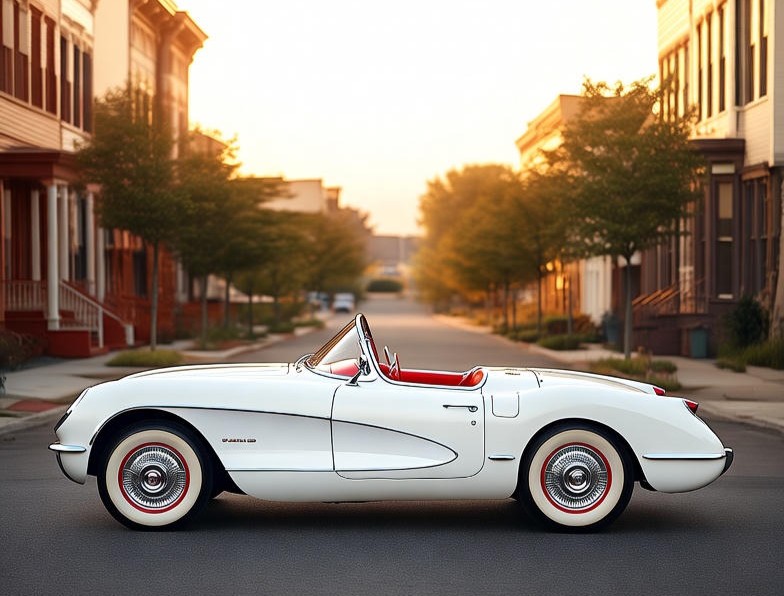
When people think of classic American sports cars, one name always rises to the top: the Chevrolet Corvette (1953). But its importance goes far beyond just being a car—it marked a turning point in American automotive history. Before the Corvette, American cars were largely large, practical sedans or trucks, focused on comfort and reliability rather than performance or style. The 1953 Corvette shattered that mold, showing that the United States could design and produce a sophisticated, stylish, and performance-oriented sports car that could compete globally.
But the Chevrolet Corvette wasn’t born in a vacuum—it came at a time when the American auto industry was booming, postwar optimism was high, and drivers were craving something more adventurous than big sedans. The idea of a sleek fiberglass-bodied roadster rolling out of Detroit was almost unthinkable, and yet, Chevrolet dared to take that leap. The 1953 Chevrolet Corvette wasn’t just a car; it was the beginning of a movement that blended American innovation, design, and ambition into a single symbol of freedom on wheels.
The Chevrolet Corvette was more than just engineering—it was a statement of postwar optimism. America had emerged from World War II with a growing sense of confidence and ambition, and car enthusiasts were ready for something bold, exciting, and uniquely American. With its fiberglass body, eye-catching curves, and daring design, the 1953 Corvette embodied the spirit of freedom, creativity, and adventure. It invited drivers not just to commute, but to experience the joy of the open road, forever redefining what an American car could be.
In this post, we’ll dive into the full story of the Chevrolet Corvette 1953—its design, performance, impact, and lasting legacy—and why this car remains a crown jewel in the history of sports cars.
The Birth of the Chevrolet Corvette (1953)
The Idea Behind the Corvette
After World War II, American soldiers returning from Europe were captivated by the small, sporty cars they had seen overseas—MGs, Jaguars, and Alfa Romeos. Chevrolet recognized a growing desire for something similar in the U.S. market, and GM’s design chief, Harley Earl, pitched the idea of a sleek two-seater roadster that could rival these European imports.
Earl envisioned a car that was not only stylish but also innovative, blending lightweight construction, eye-catching curves, and performance-oriented engineering. The Corvette was conceived as a statement of American ambition—both to compete globally and to redefine Chevrolet’s image at home.
Chevrolet Corvette Motorama Debut (1953)
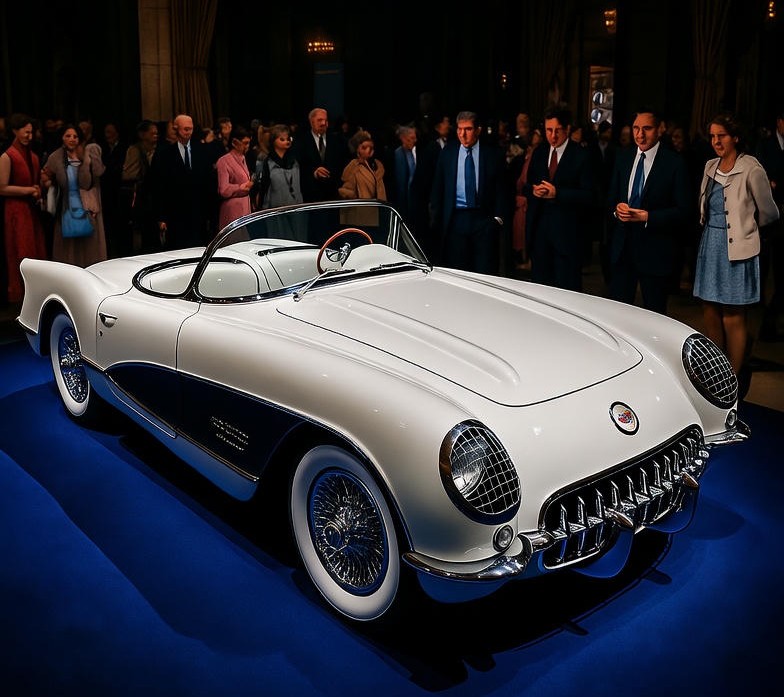
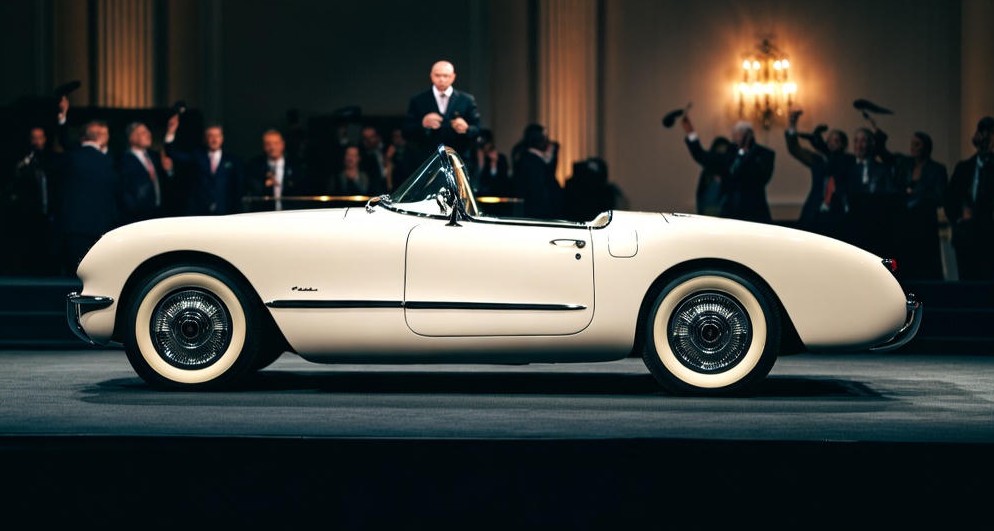
The Chevrolet Corvette made its first public appearance on January 17, 1953, at GM’s Motorama show in New York’s Waldorf Astoria Hotel. Its futuristic fiberglass body, sporty stance, and elegant lines immediately captured attention. Critics and visitors alike marveled at the daring design, and demand surged before GM even finalized production plans.
The Motorama debut wasn’t just a car reveal—it was a spectacle. GM used the Corvette to showcase the company’s vision of postwar modernity, combining technology, design, and aspirational luxury. It sent a clear message: American automakers were ready to step onto the world stage.
Limited Production Run of the 1953 Corvette
- Only 300 units were built in 1953.
- All were hand-assembled in Flint, Michigan.
- Every model came in Polo White exterior with a Sportsman Red interior and a black canvas top.
The exclusivity of this initial run made the 1953 Chevrolet Corvette an instant collectible. Each car bore the hallmarks of meticulous craftsmanship, reflecting both GM’s ambition and the experimental nature of its first American sports car.
Design and Styling of the 1953 Corvette
Exterior Design
The Chevrolet Corvette’s styling was its most striking feature, and it broke from conventional American designs of the era:
- Fiberglass Body – One of the first mass-produced cars to use fiberglass, which made the Corvette lightweight and allowed designers to sculpt sleek, aerodynamic curves impossible with steel.
- Curved Windshield – A wraparound windshield enhanced aerodynamics and gave the car a futuristic look.
- Rounded Rear End – Tail fins weren’t yet in vogue; instead, the rear had a smooth, rounded shape that emphasized elegance over aggression.
- Whitewall Tires & Chrome Hubcaps – Wide whitewall tires combined with chrome hubcaps added sophistication while hinting at the car’s sporty ambitions.
- Low-Slung Silhouette – The Corvette’s low stance emphasized speed and agility, a visual departure from boxy American sedans.
This exterior design made the Chevrolet Corvette instantly recognizable and set the stage for the styling language of future models.
Interior Features
Inside, the Corvette was equally ahead of its time:
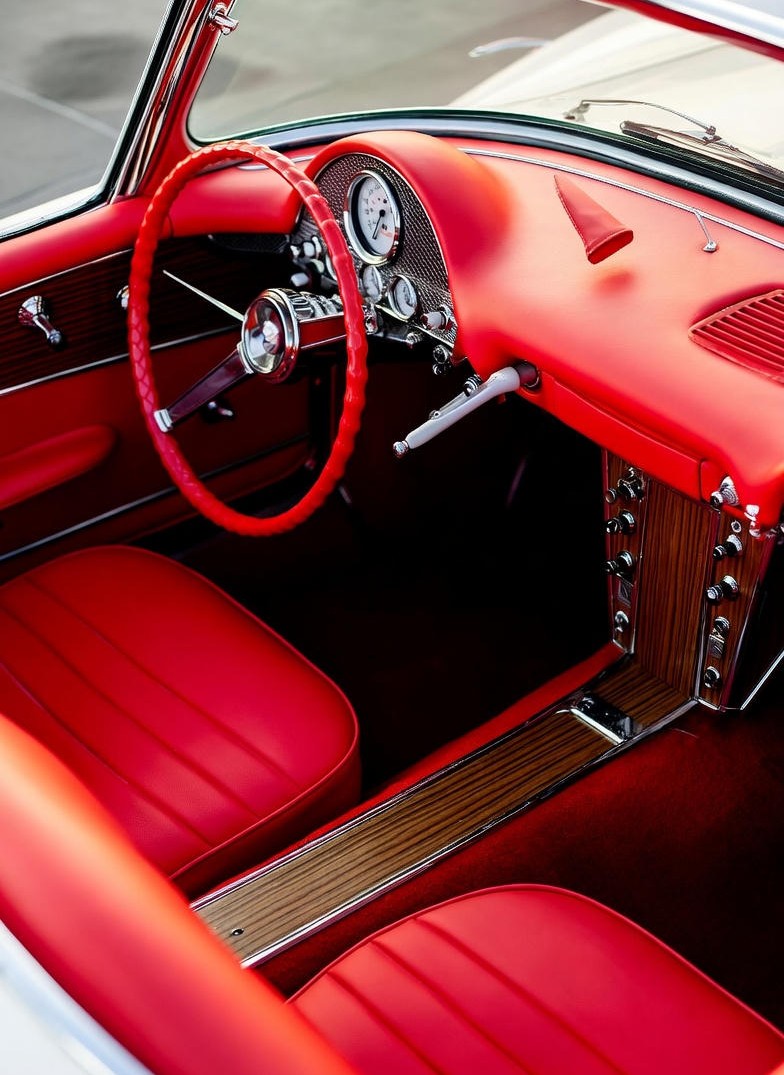
- Two-Passenger Cockpit – Bucket-style seats offered comfort and a sense of performance-oriented intimacy.
- Sportsman Red Leather – A bold, luxurious choice that contrasted beautifully with the white exterior.
- Functional Dashboard – While simple, the layout included a speedometer, fuel gauge, and tachometer, ensuring all key information was front and center.
- Push-Button Ignition – Advanced technology for its time, giving drivers a taste of innovation beyond styling.
The interior reinforced the Corvette’s ethos: functional yet fashionable, sporty yet comfortable—a true American roadster experience.
Performance and Engineering of the 1953 Corvette
The “Blue Flame” Inline-Six Engine
Under the hood, the Chevrolet Corvette carried a 235-cubic-inch Blue Flame inline-six engine. While modest by later Corvette standards, it was competitive for 1953:
- 150 horsepower
- Triple Carter side-draft carburetors
- Dual exhaust system
This engine provided adequate power for spirited driving, especially given the car’s lightweight fiberglass construction.
Transmission and Drivetrain
- 2-Speed Powerglide Automatic Transmission
- Rear-Wheel Drive (RWD) layout
Although critics lamented the lack of a manual gearbox, the automatic transmission made the Corvette approachable for a wider audience and emphasized smooth, effortless driving rather than raw, European-style aggression.
Driving Experience of the 1953 Chevrolet Corvette
The 1953 Chevrolet Corvette was light, agile, and fun to drive. While it didn’t match the outright speed of a Jaguar XK120 or Ferrari 166, it delivered a unique American roadster feel:
- Responsive handling for tight curves
- Smooth, comfortable ride on highways
- Open-top driving experience that embodied freedom and style
In short,
Driving the 1953 Chevrolet Corvette is a hands-on, immersive experience unlike modern vehicles. Unlike today’s cars with power steering, electronic assists, and advanced safety features, the Corvette requires skill, attention, and a sense of connection with the machine. Its lightweight fiberglass body makes it nimble, and the rear-wheel-drive layout adds a playful sense of control over corners.
The engine, a 235-cubic-inch Blue Flame inline-six, might seem modest today, but combined with the Corvette’s lightweight frame, it delivers a lively, responsive drive. The car’s automatic 2-speed Powerglide transmission emphasizes smooth cruising rather than raw speed, but every twist of the steering wheel feels direct and rewarding.
Open-top driving adds to the sensory thrill—the sound of the engine, the feel of the wind, and the minimal interior insulation create a pure and visceral connection to the road. While it may lack the outright power of European competitors, the Corvette offers a distinctive American driving experience, emphasizing elegance, style, and the joy of motoring over pure track performance.
it was more about the joy of driving than sheer performance—setting a precedent for the Corvette’s future philosophy.
How the 1953 Corvette Compared to European Sports Cars
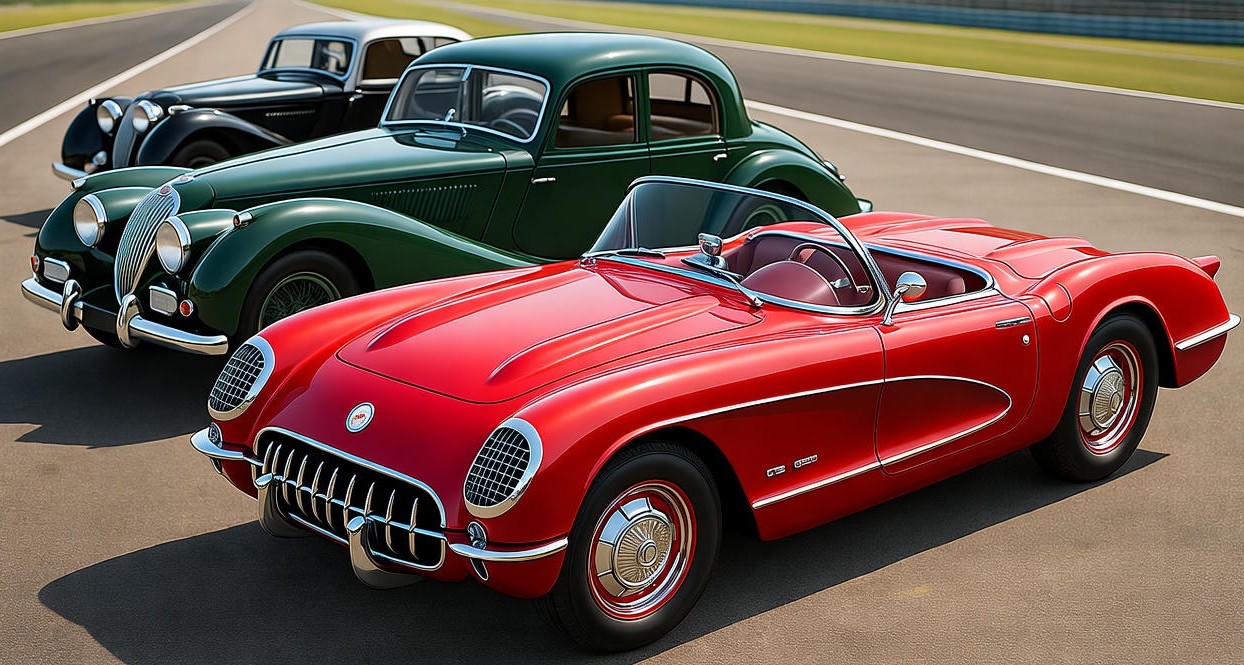
In the early 1950s, European sports cars dominated the market, setting benchmarks for speed, handling, and engineering. Cars like the Jaguar XK120, MG TD, and Ferrari 166 were admired worldwide for their performance and design—but they were often expensive, imported, and difficult to maintain in the U.S.
The 1953 Chevrolet Corvette offered a unique alternative: an American-built sports car with stylish design, modern features, and relative affordability.
- Jaguar XK120: While faster and more powerful, the XK120 came with a steep price tag and limited accessibility for the average American buyer.
- MG TD: Popular for its sporty feel, the MG lacked the Corvette’s comfort, elegance, and luxury touches.
- Ferrari 166: Exotic and aspirational, it remained financially out of reach for most enthusiasts.
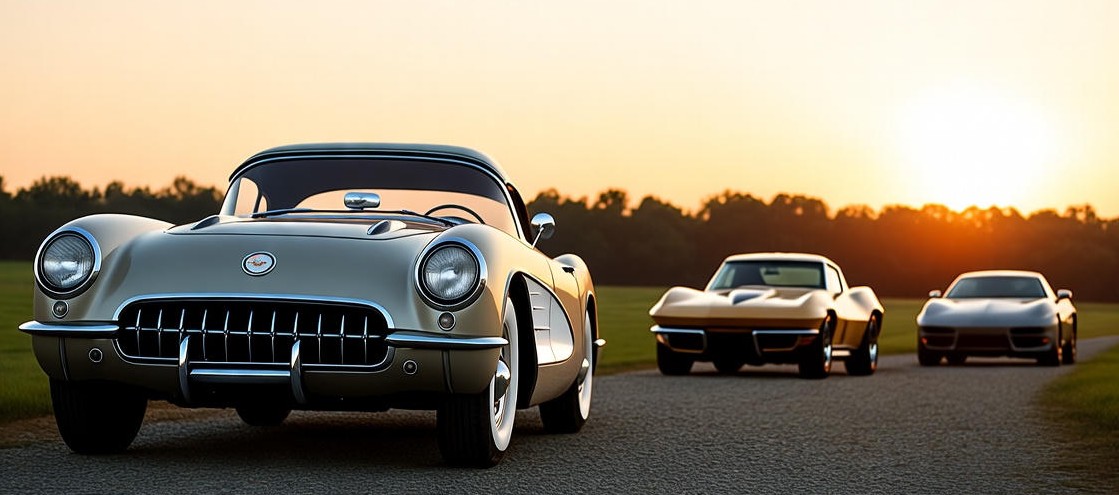
The Corvette’s advantage was combining performance, comfort, and style at a price Americans could realistically afford. It offered the excitement of a European sports car while being designed specifically for American roads, tastes, and drivers—laying the foundation for a uniquely American performance car culture.
Production Numbers and Collectibility of the 1953 Corvette
The 1953 Chevrolet Corvette remains one of the rarest and most collectible cars in U.S. automotive history:
- Only 300 units produced
- Today, surviving examples sell for $200,000–$500,000, depending on condition
- Fully restored models can fetch over $1 million at auctions
Collectors value the 1953 Corvette not just for rarity but for its historical significance—the car that started the Corvette legend.
Legacy of the 1953 Chevrolet Corvette
America’s Sports Car is Born
The 1953 Chevrolet Corvette wasn’t just a first model—it was the birth of an entirely new segment in the American auto industry. Prior to its debut, sports cars in the U.S. were practically nonexistent; drivers who wanted performance had to turn to imports or heavily modified domestic sedans.
The Corvette changed all that. It proved that American manufacturers could combine engineering, design, and innovation to create cars that were stylish, fun, and performance-oriented. Its bold fiberglass construction, advanced features, and sleek roadster design inspired a generation of designers and engineers, sparking an ongoing pursuit of speed, luxury, and innovation in American automobiles.
The Corvette became a symbol of American ingenuity, representing a willingness to take risks and push boundaries—a philosophy that continues in modern Corvettes and other American sports cars.
Corvette Generations to Follow
The legacy of the 1953 Chevrolet Corvette can be traced through every generation that followed, each building on the principles of innovation, style, and performance:
- C1 (1953–1962): Established the Corvette’s identity as a stylish American roadster, experimenting with new materials and layouts.
- C2 (1963–1967, Sting Ray): Introduced sharper lines, improved aerodynamics, and powerful V8 engines, elevating the Corvette to international performance credibility.
- C3 (1968–1982): Muscle car era, blending aggressive styling with raw power, making the Corvette a cultural icon in its own right.
- C4 (1984–1996): Introduced advanced electronics, improved handling, and a more modern driving experience.
- C5 to C8 (1997–Present): Continuous innovation, including performance milestones like the mid-engine layout in the C8, pushing Corvette into supercar territory.
Every generation owes its existence to the courage and vision of the 1953 model, proving that bold ideas can evolve into timeless icons.
Cultural Impact
The 1953 Chevrolet Corvette’s influence extends far beyond its engineering. It quickly became a cultural touchstone, shaping perceptions of American freedom, style, and ambition.
- Movies and TV: From early appearances in 1950s films to later Hollywood features, the Corvette symbolized youth, adventure, and aspiration.
- Music: Celebrated in songs as the quintessential symbol of speed, fun, and American ingenuity.
- Global Recognition: The Corvette demonstrated that American automakers could compete with European icons, earning respect and admiration worldwide.
- Lifestyle Symbol: Owning a Corvette represented more than transportation—it was an expression of personality, ambition, and success, making it a highly desirable cultural statement.
Its influence continues today, not just in automotive design but also in popular culture, inspiring future generations of car enthusiasts and creators alike.
Real-World Driving Experience Today
Driving a 1953 Chevrolet Corvette today is like stepping into a living piece of automotive history. Modern drivers often expect power steering, advanced suspension, and turbocharged acceleration—but the ’53 Corvette delivers a completely different, yet thrilling, experience.
- Engaging and Raw – Without power-assisted steering or brakes, every turn, every shift, and every press of the pedal requires driver involvement, making the connection between car and driver intimate and rewarding.
- Lightweight Agility – The fiberglass body and compact dimensions make the Corvette surprisingly nimble. Even by today’s standards, it can dart through corners with precision if handled carefully.
- Open-Air Freedom – With its removable soft top, the Corvette offers an unfiltered roadster experience. The sound of the Blue Flame inline-six, the wind on your face, and the minimal cabin insulation make driving a sensory adventure.
- Modern Challenges – Contemporary roads, traffic, and speeds present unique challenges. The car’s original 150-hp engine may feel underpowered compared to today’s vehicles, and careful attention is needed on highways and steep inclines.
- Attention Magnet – Wherever you go, the Corvette draws instant admiration. People often stop to admire its pristine Polo White body and vintage red interior, offering a sense of pride that modern cars rarely inspire.
For collectors and enthusiasts, driving a ’53 Chevrolet Corvette is less about speed and more about experiencing history firsthand. It’s a car that demands respect, rewards patience, and makes every drive a celebration of classic American design and engineering.
Modern Value and Collectors’ Insights
Today, the 1953 Chevrolet Corvette is not just a car—it’s a coveted piece of automotive history and a smart investment for collectors. With only 300 units ever produced, surviving examples are extremely rare, and their value has steadily increased over the decades.
Investment Potential
- Auction Prices: Well-preserved or fully restored ’53 Corvettes routinely sell for $200,000–$500,000, with exceptional examples exceeding $1 million at premier auctions.
- Rarity Factor: The combination of a limited production run, historical significance, and the iconic Polo White/Red color scheme makes this model a top-tier collectible.
- Historical Significance: As the very first Corvette, it represents the start of a lineage that has become synonymous with American performance and innovation—a major factor in its appreciation over time.
Restoration Considerations
- Authenticity Matters: Restorers and buyers value originality. Using period-correct parts, like the Blue Flame engine components, original dashboard features, and even proper upholstery, significantly increases resale value.
- Maintenance Challenges: Unlike modern cars, a 1953 Corvette lacks advanced diagnostics and modern reliability, requiring careful attention to mechanical upkeep and sourcing of vintage components.
- Specialist Care: Working with mechanics familiar with early Corvettes is essential to maintain authenticity and prevent value depreciation.
Classic Car Shows and Community
Owning a ’53 Chevrolet Corvette is also about community and prestige. These cars often take center stage at classic car shows, vintage rallies, and concours events. Owners not only enjoy the thrill of driving but also the recognition and admiration from fellow enthusiasts and the public.
Emotional Value
Beyond monetary considerations, the 1953 Chevrolet Corvette holds immense emotional and cultural significance. For many collectors, owning one is about connecting with the spirit of 1950s America—the optimism, innovation, and audacity that defined the era. Driving or even displaying one is a celebration of history, style, and the enduring allure of the Corvette brand.
Key Features of the Chevrolet Corvette (1953)
overview of the Corvette’s defining features:
- Year Introduced: 1953
- Total Production: 300 hand-built units
- Price New: $3,498
- Body Material: Fiberglass (lightweight and innovative for the era)
- Engine: 235-cubic-inch Blue Flame Inline-Six
- Horsepower: 150 hp
- Transmission: 2-speed Powerglide automatic
- Drivetrain: Rear-Wheel Drive (RWD)
- Exterior: Polo White only
- Interior: Sportsman Red leather with bucket seats
- Dashboard & Features: Push-button ignition, speedometer, fuel gauge, tachometer
- Performance: Agile, lightweight, fun-to-drive roadster experience
- Collectibility: Extremely rare; restored models often exceed $1 million at auctions
- Cultural Status: First Corvette, considered the birth of America’s sports car
This improved section now highlights both technical specs and historical significance, giving readers a complete snapshot of why the 1953 Chevrolet Corvette remains so revered.
Conclusion For Chevrolet Corvette 1953
The Chevrolet Corvette may not have been perfect, but it marked the birth of an American legend. Its sleek fiberglass body, stylish design, and bold vision showed that the U.S. could build a sports car to rival Europe. From a limited run of just 300 hand-built cars, it became one of the most recognized and celebrated automotive icons in the world.
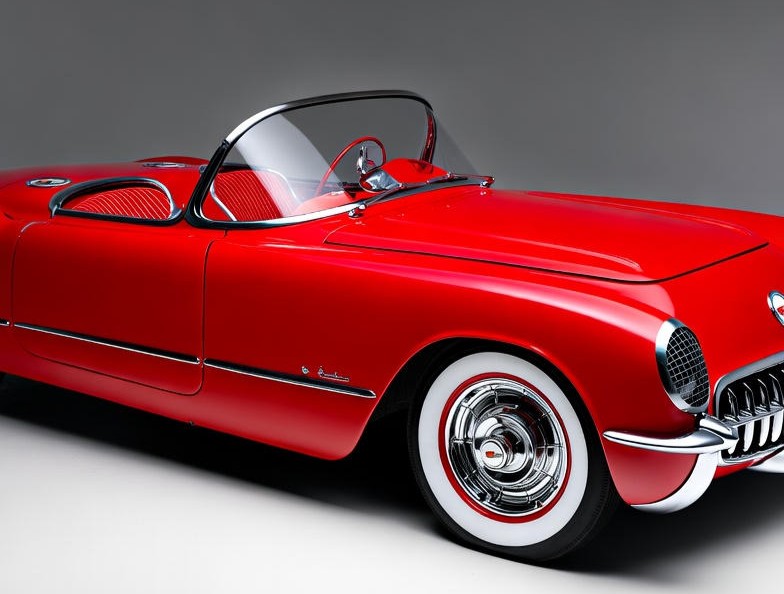
The first Corvette represents more than a model—it embodies courage, creativity, and the willingness to take risks. Without the 1953 Corvette, the Sting Ray, the Z06, and modern supercar-level Corvettes may never have existed.
Owning a ’53 Chevrolet Corvette isn’t just about a car—it’s holding a piece of history that captures the spirit of innovation and the American dream. For enthusiasts, it’s a reminder that sometimes the boldest ideas are the ones that change the world.
👉 Love classic cars? Share this article with friends, leave a comment below about your favorite Corvette generation, and explore more stories here on Heritage Drive.
FAQ For 1953 Chevrolet Corvette
1. How many 1953 Chevrolet Corvettes were made?
Ans. Only 300 units of the 1953 Chevrolet Corvette were produced, all hand-built in Flint, Michigan. This extremely limited production makes it one of the rarest and most collectible Corvettes in history.
2. What engine did the 1953 Corvette have?
Ans. The 1953 Corvette was powered by a 235-cubic-inch “Blue Flame” inline-six engine producing 150 horsepower, paired with a 2-speed Powerglide automatic transmission.
3. Why is the 1953 Corvette so special?
Ans. It was the first-ever Corvette, marking the birth of America’s sports car. It introduced fiberglass body construction, bold styling, and laid the foundation for one of the most successful performance car lineups ever created.
4. How much is a 1953 Corvette worth today?
Ans. Depending on originality, condition, and restoration quality, a 1953 Corvette can range from $200,000 to over $1 million at major classic car auctions. Concours-level examples command the highest prices.
5. What colors were available for the 1953 Corvette?
Ans. Only one factory color combination was offered: Polo White exterior with a Sportsman Red interior.
6. Was the 1953 Corvette commercially successful?
Ans. Sales were modest in its first year, but historically it became one of the most important American cars ever built, launching the Corvette’s legendary performance legacy.
7. Was the 1953 Corvette fast?
Ans. For its time, the Corvette offered respectable performance with a 0–60 mph time of around 11 seconds. While not as fast as some European rivals, it delivered a smooth and stylish open-top driving experience.
8. Why did Chevrolet use fiberglass for the body?
Ans. Chevrolet chose fiberglass construction to reduce weight, speed up production, and create complex curves that steel stamping could not easily achieve in the early 1950s.
9. Where was the 1953 Corvette built?
Ans. All 1953 Corvettes were hand-assembled in Flint, Michigan, before production later moved to St. Louis.
10. Did the 1953 Corvette have a manual transmission?
Ans. No. The 1953 model was available only with a 2-speed Powerglide automatic transmission. A manual transmission was introduced in later Corvette models.
11. How does the 1953 Corvette compare to later Corvette generations?
Ans. While later generations like the C2 and C3 became more powerful and performance-focused, the 1953 Corvette remains historically significant as the model that started the Corvette lineage.
12. Is the 1953 Corvette a good investment for collectors?
Ans. Yes. Due to its rarity, historical importance, and status as the first Corvette ever built, it is considered a blue-chip collectible in the classic car market.