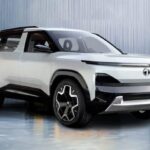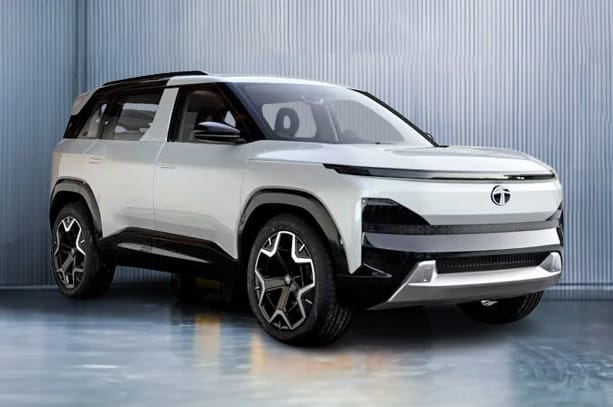
The Tata Sierra falls into that rare third category. It wasn’t just another SUV when it first arrived in the 1990s — it represented ambition, progress, and a bold Indian vision at a time when global brands dominated aspiration. For many Indians, the Sierra was the first SUV that truly looked different. It stood tall, looked futuristic, and felt ahead of its time.
Fast forward to 2026, and the Indian automotive landscape is dramatically different. SUVs dominate the roads. Electric vehicles are gaining serious momentum. Buyers are more informed, more demanding, and far less forgiving. In such a fiercely competitive environment, reviving an iconic nameplate isn’t just about nostalgia — it’s about responsibility.
And that’s exactly why the return of the Tata Sierra feels so significant.
This isn’t a marketing stunt. It’s a strategic move. Tata Motors understands that today’s buyers want more than just specifications. They want identity. They want design. They want safety. And increasingly, they want sustainability.
The new Tata Sierra promises to blend heritage with modern engineering — and that combination could make it one of the most important SUV launches in recent years.
The Legacy: Why the Tata Sierra Still Matters in 2026 SUV Market
The original Tata Sierra was unlike anything else on Indian roads when it debuted under Tata Motors. At a time when practicality ruled the market, the Sierra dared to be emotional.
It featured a distinctive three-door design, wraparound rear glass, and SUV proportions that were unheard of in India. It wasn’t mass-market practical. It wasn’t ultra-affordable. But it had character — and that’s why it survived in memory long after production stopped.
The Sierra represented aspiration during India’s early economic transformation. Owning one meant you were forward-thinking. It symbolized independence and boldness. And even today, spotting a well-maintained Sierra on the road instantly sparks nostalgia.
That emotional value is powerful.
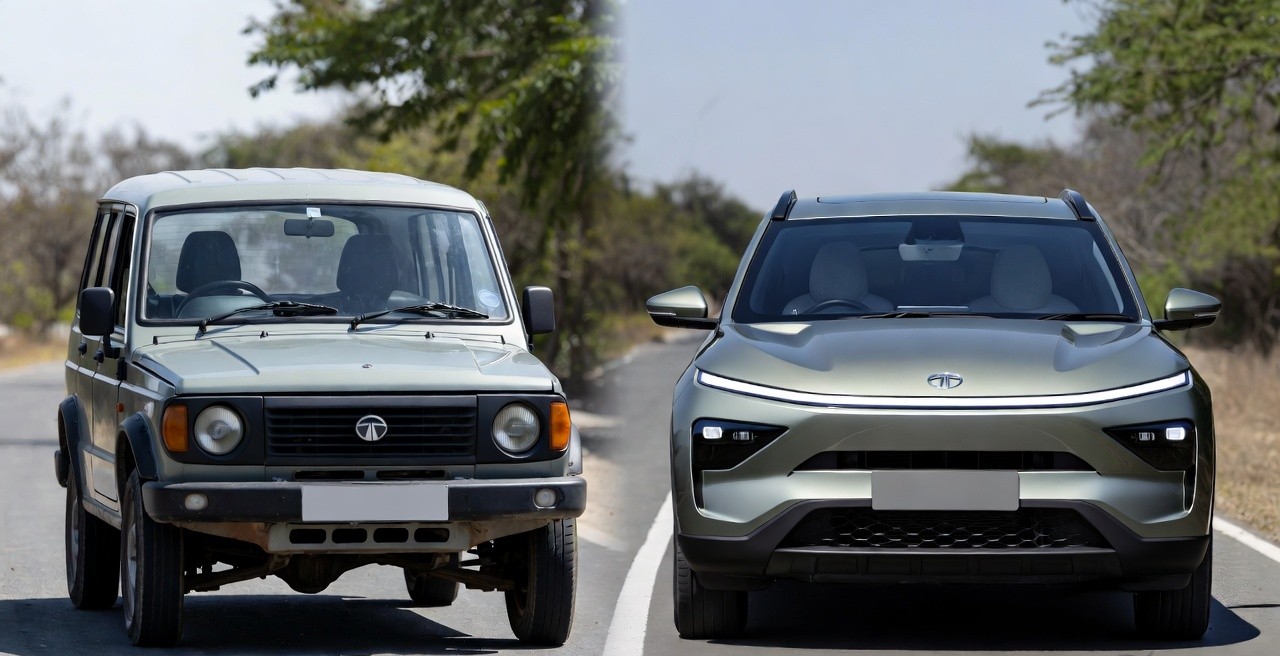
In 2026, the SUV segment is overcrowded with options. Most models follow a predictable formula: aggressive grille, LED lights, touchscreen, sunroof. But very few carry emotional heritage.
The new Tata Sierra doesn’t just revive a name — it revives a story. And stories matter in automotive branding more than ever.
Design & Exterior: Tata Sierra Retro Design with Modern SUV Styling
Reviving an icon is tricky. Copy it too closely, and it feels outdated. Modernize it too much, and you lose the essence.
Tata has taken the smarter route — reinterpretation.
The new Sierra carries design cues from the past, but everything is sharper, more contemporary, and aligned with Tata’s current design philosophy.
It looks like a concept car that made it to production — and that’s not easy to achieve.
Bold Front Profile of the New Tata Sierra
The front fascia is unmistakably modern Tata:
- Sleek LED DRLs stretching across the width
- A sculpted bonnet with muscular lines
- Closed grille elements (especially in the EV version)
- Chunky bumper with SUV-like aggression
The front fascia immediately signals that this is a new-generation Tata SUV.
Slim LED DRLs stretch across the width, giving it a futuristic light signature. The closed-off grille in the EV version adds to the modern appeal, while the sculpted bonnet creates muscular tension lines that enhance road presence.
There’s a visual confidence here.
Unlike overly busy designs in the segment, the Sierra’s front profile feels clean yet authoritative. It doesn’t rely on chrome overload. Instead, it uses proportions and lighting design to make a statement.
When compared to siblings like the Tata Harrier and Tata Nexon, the Sierra feels more lifestyle-oriented — less aggressive, more refined.
The Signature Rear Glass Returns in Tata Sierra 2026
This is where the magic happens.
The wraparound rear glass was the defining feature of the original Sierra. It gave the SUV a unique silhouette that no other car had.
In the 2026 model, Tata has reimagined that glasshouse design in a structurally modern and safer format. The floating roof effect, blacked-out pillars, and panoramic-style rear glass create a visual continuity that feels premium.
It’s not a direct copy — and that’s a good thing.
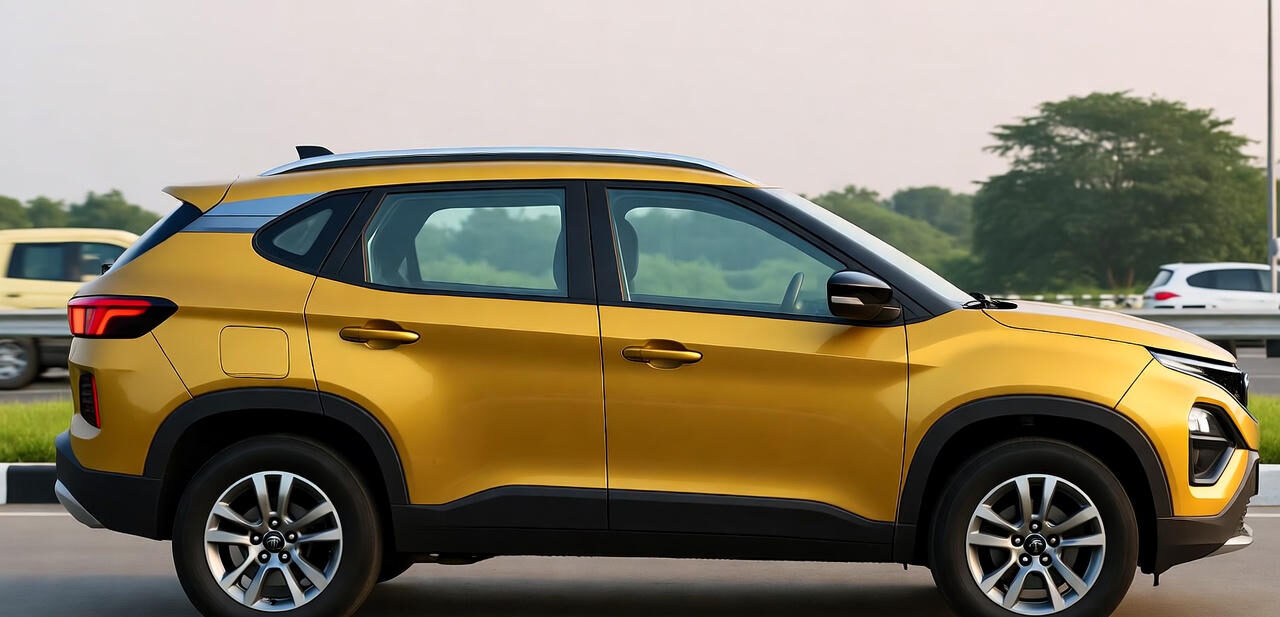
Instead, it’s a respectful evolution. You instantly recognize the lineage, yet it feels completely relevant to modern tastes.
SUV Stance That Means Business
- Strong shoulder lines
- High ground clearance
- Large alloy wheels
- Squared wheel arches
The Sierra sits with purpose.
Wide wheel arches, strong shoulder lines, and large alloy wheels give it a planted stance. The ground clearance appears generous — ideal for Indian road conditions.
From the side, the proportions are balanced. Not too boxy. Not too coupe-like. Just the right mix of rugged and urban sophistication.
This is an SUV designed for both city boulevards and highway getaways.
Interior & Features: Tata Sierra Premium Cabin and Technology
Step inside the Tata Sierra, and you notice a shift in philosophy.
This cabin isn’t just about driving — it’s about spending time comfortably.
The design theme appears more lounge-inspired, focusing on openness and calmness rather than clutter.
Minimal Yet Premium Dashboard
The dashboard layout is clean and horizontal. Large screens dominate the upper section, while soft-touch materials add to the upmarket feel.
Expected highlights include:
- Large digital instrument cluster
- Wide touchscreen infotainment system
- Ambient lighting
- Panoramic sunroof
- Premium upholstery
Tata has significantly improved interior quality over the years. If the Sierra follows the trajectory set by the Harrier facelift, it could easily challenge premium rivals.
The dashboard follows a clean horizontal layout. Dual digital screens dominate the visual space, but they don’t feel intrusive.
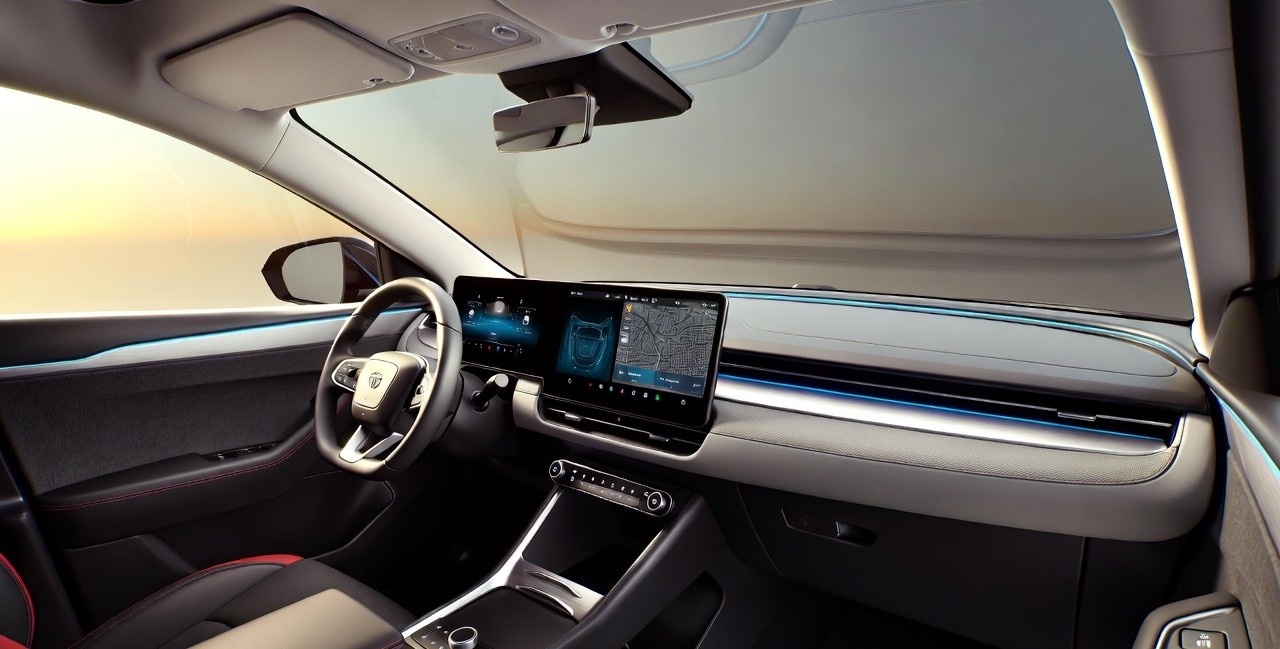
Soft-touch materials, layered textures, and subtle ambient lighting create a premium atmosphere. Tata’s recent improvements in fit and finish are clearly visible here.
The absence of excessive buttons enhances the minimalist feel. Controls are logically placed, and the steering wheel design looks modern yet functional.
This could easily be one of Tata’s most refined cabins to date.
Rear Seat Experience
The new Sierra is expected to be a five-door SUV, making it far more practical than the original.
Rear passengers get:
- Generous legroom
- Wide seats
- Reclining function (expected)
- Dedicated AC vents
- USB charging ports
This is clearly designed as a family SUV, not just an enthusiast toy.
For families, this balance between comfort and practicality could be a major selling point.
Engine & Performance: Tata Sierra EV and Petrol Diesel Options
The Tata Sierra isn’t restricting itself to one powertrain philosophy.
It’s embracing both.
Electric Version
The Sierra EV will likely be based on Tata’s new-generation EV platform.
This puts it in the same ecosystem as the Tata Curvv EV and future Tata electric models.
Expected performance highlights:
- Instant torque delivery
- Smooth and silent driving
- Multiple drive modes
- Regenerative braking
For city driving, the electric Sierra could feel effortless.
Petrol / Diesel Options
Tata may also offer internal combustion engine (ICE) versions to attract traditional SUV buyers.
Possible engines include:
- 1.5L turbo petrol
- 2.0L diesel (similar to Harrier)
Transmission options could include:
- 6-speed manual
- 6-speed automatic
- Possibly a dual-clutch option
If tuned properly, the Sierra could offer a balanced blend of performance and comfort.
Mileage / Range: Tata Sierra EV Range and Petrol Diesel Mileage
Mileage has always been one of the biggest deciding factors for Indian buyers. It doesn’t matter how premium or powerful a vehicle is — if the efficiency doesn’t make sense in daily life, buyers hesitate.
With the Tata Sierra, efficiency expectations are even higher because it is expected to come in both electric and ICE formats.
Electric Range
The Sierra EV is expected to offer a claimed range between 450–500 km on a full charge. Now, claimed figures always look impressive on paper. But what truly matters is real-world usability.
In practical Indian driving conditions — mixed city traffic, highway runs, occasional AC usage, and varying speeds — a realistic range of 380–420 km would be a strong benchmark.
That kind of real-world range changes the ownership equation completely.
It means:
- You can handle a full week of city commuting without charging.
- Weekend highway trips become practical.
- Range anxiety reduces significantly.
Fast-charging capability will likely support DC fast chargers, enabling a 10% to 80% charge in roughly 45–60 minutes. That makes highway pit stops efficient and predictable.
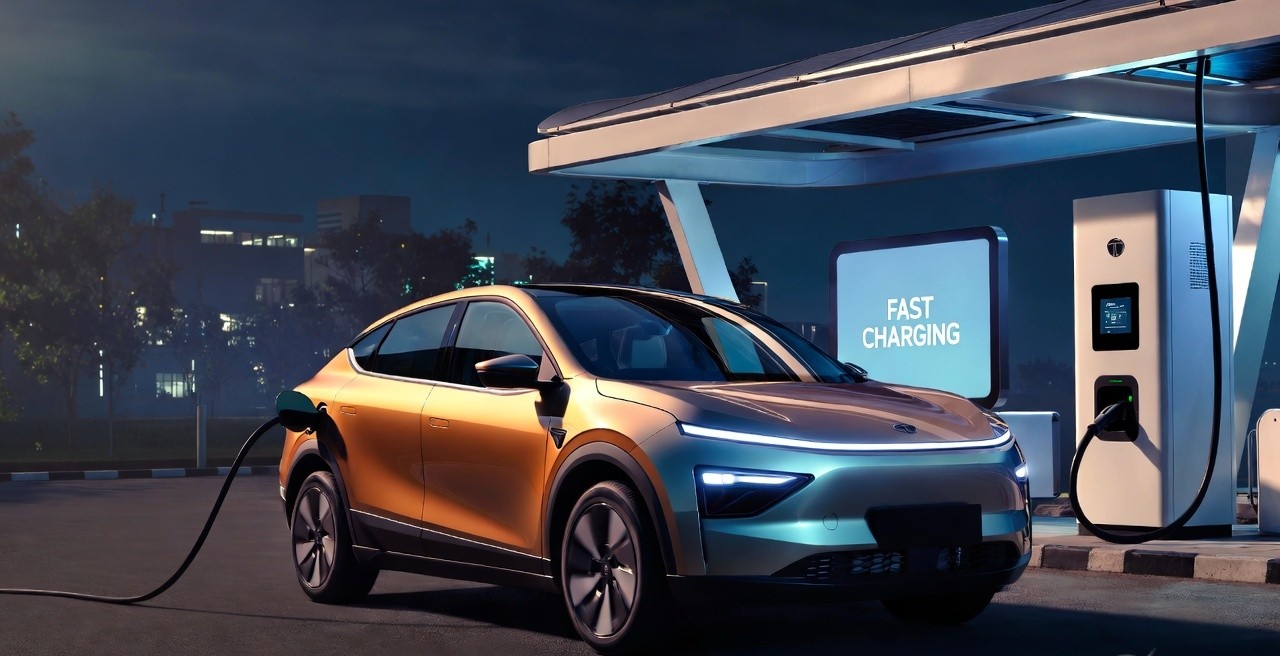
Additionally, regenerative braking will help maximize efficiency in stop-and-go traffic, especially in metro cities like Delhi, Mumbai, and Bengaluru.
Battery warranty will also be a crucial factor. Tata is expected to offer long-term coverage (likely 8 years or similar), which will increase buyer confidence significantly.
Petrol / Diesel Mileage
For buyers who are not ready to shift to electric yet, the ICE versions will play an important role.
Expected efficiency figures:
- Petrol: 15–17 km/l
- Diesel: 18–20 km/l
In real-world driving, diesel variants may become the preferred choice for long-distance travelers due to better highway mileage and stronger torque delivery.
The petrol engine, on the other hand, may attract urban users who prefer smoother refinement and lighter driving feel.
Importantly, Tata’s recent engine tuning improvements suggest that drivability and refinement will likely be better than older-generation models.
In short, the Tata Sierra aims to be efficient without compromising performance — and that balance is critical in today’s market.
Variants & Pricing: Where Will It Sit?
Pricing strategy will determine whether the Tata Sierra becomes a segment disruptor or just another option.
The SUV market in India is extremely sensitive in the ₹15–25 lakh bracket. Buyers in this segment are upgrading from compact SUVs and expecting more space, more technology, and more premium feel.
The Sierra is expected to slot between premium compact SUVs and larger mid-size SUVs.
Expected Pricing Strategy
- Petrol/Diesel variants: ₹14–20 lakh (ex-showroom)
- EV variants: ₹20–26 lakh (ex-showroom)
If Tata manages to start pricing aggressively for the base variants, the Sierra could undercut several competitors while offering a more unique identity.
Variants will likely follow Tata’s familiar trim strategy — starting from a value-oriented base model and moving up to fully-loaded top trims with:
- Panoramic sunroof
- ADAS features
- Premium audio system
- Large alloy wheels
- Connected car suite
The EV version may have multiple battery pack options or different range-based trims, allowing customers to choose based on usage pattern and budget.
From a market positioning standpoint, Tata seems to be targeting:
- Young urban professionals
- Growing families
- EV adopters seeking larger SUVs
- Buyers wanting something distinct from the Creta-Seltos crowd
If priced strategically, the Sierra could become one of Tata’s strongest premium offerings.
Safety Features: Tata’s Strongest Weapon
When it comes to safety perception, Tata has built a solid reputation in India.
Vehicles like the Tata Punch and Nexon have performed exceptionally well in crash tests, strengthening consumer trust.
The Tata Sierra is expected to push that benchmark further.
Expected Safety Equipment
- 6 airbags (possibly standard in mid-to-top trims)
- Electronic Stability Control (ESC)
- Hill Hold Assist
- 360-degree camera
- ABS with EBD
- ISOFIX child seat mounts
- High-strength steel structure
But beyond features, what matters more is structural integrity.
Tata’s focus on rigid body shell design has become one of its strongest selling points. The Tata Sierra will likely continue this philosophy, possibly aiming for a 5-star crash safety rating under global testing protocols.
ADAS Capabilities
Advanced Driver Assistance Systems (ADAS) are becoming common in this price bracket.
Expected features may include:
- Adaptive cruise control
- Lane keep assist
- Forward collision warning
- Autonomous emergency braking
These systems won’t just add premium appeal — they’ll enhance long-distance driving confidence significantly.
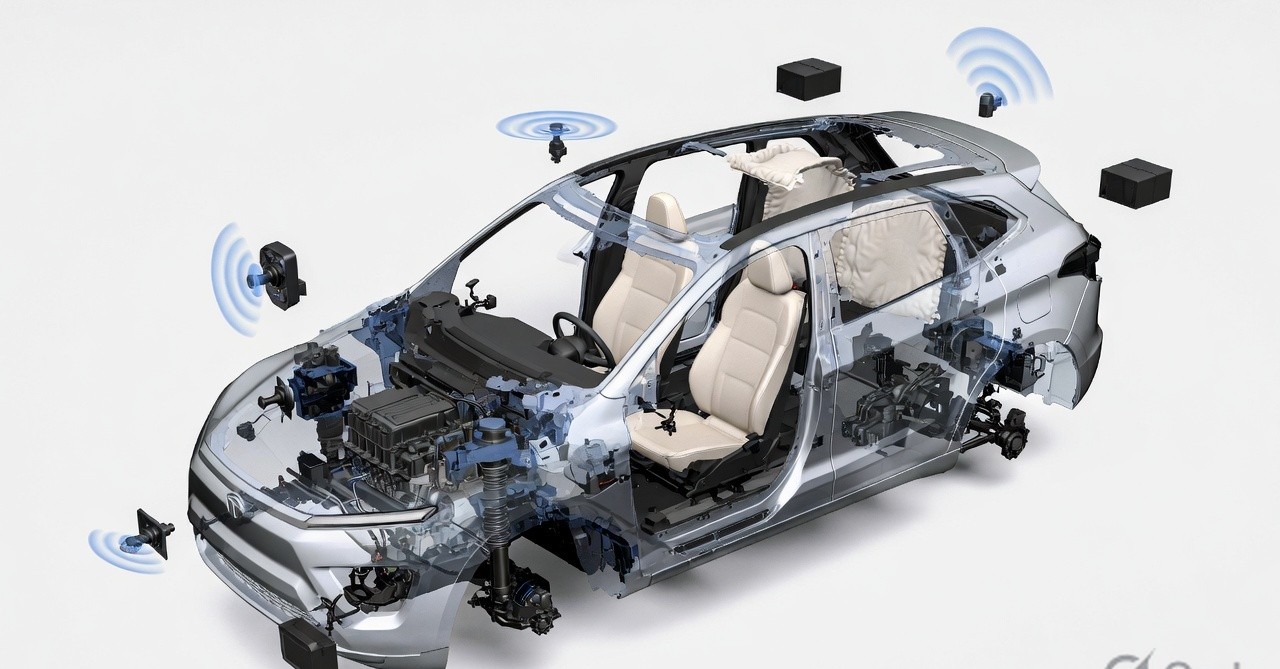
In a segment where safety is increasingly becoming a key purchase driver, the Tata Sierra’s biggest advantage might not be performance — but protection.
Technology & Infotainment: Connected and Smart
Modern SUVs are no longer just mechanical machines. They are digital ecosystems on wheels.
The Tata Sierra is expected to reflect that transformation.
Infotainment System
A large floating touchscreen — likely 12 inches or more — could dominate the center console. Faster processors and improved UI design will be essential to match rivals.
Expected features:
- Wireless Apple CarPlay & Android Auto
- Voice-enabled commands
- Over-the-air (OTA) updates
- Customizable digital instrument cluster
- Integrated navigation
The interface must feel fluid, responsive, and intuitive — because today’s buyers compare car software to smartphones.
Connected Car Features
Tata’s connected car suite may include:
- Remote vehicle tracking
- Remote AC activation
- Battery monitoring (for EV)
- Geo-fencing
- Service reminders
For EV buyers, real-time battery analytics and charging station mapping will be especially important.
If Tata executes this correctly, the Sierra could feel like a truly modern SUV rather than just a heritage revival.
Competitors Comparison: Where Does Sierra Stand?
The Tata Sierra is entering one of India’s most competitive segments.
Its primary rivals include:
- Hyundai Creta
- Kia Seltos
- Mahindra XUV700
- MG ZS EV
Against Hyundai Creta & Kia Seltos
Creta and Seltos dominate in features and brand familiarity. However, the Sierra offers:
- Stronger emotional appeal
- EV flexibility
- Likely stronger safety perception
Buyers bored with predictable designs may gravitate toward the Sierra.
Against Mahindra XUV700
The XUV700 is larger and more powerful in higher trims. But the Sierra could counter with:
- Distinctive styling
- EV powertrain option
- Possibly better urban maneuverability
Against MG ZS EV
This will be the direct EV rival.
If the Sierra EV offers:
- Better real-world range
- Competitive pricing
- Stronger service network
It could emerge as a serious contender in the electric SUV space.
What truly sets the Tata Sierra apart is its combination of heritage + electric future. That blend is rare in the segment.
Pros & Cons
Pros
- Iconic nameplate revival
- Modern, distinctive design
- EV and ICE options
- Strong safety reputation
- Expected competitive pricing
Cons
- High expectations due to legacy
- Intense competition
- EV charging infrastructure still growing
Real-World Driving Experience: What It Could Feel Like
Specifications tell one story.
Real-world driving tells another.
In city conditions, the Sierra EV would likely feel smooth and effortless. Instant torque means quick acceleration at traffic lights. The silent cabin adds a premium touch to daily commuting.
The high seating position enhances visibility, making congested roads easier to navigate.
On highways, stability at triple-digit speeds will matter. Tata’s recent chassis tuning improvements suggest the Sierra may offer a composed ride with controlled body roll.
The diesel version, if equipped with the 2.0L engine, would shine during long-distance cruising. Strong mid-range torque will make overtaking confident and stress-free.
Suspension tuning will likely focus on comfort — absorbing potholes, speed breakers, and uneven surfaces without harshness.
In short, the Tata Sierra aims to be a refined urban SUV with highway confidence — not an extreme off-roader, but a versatile all-rounder.
Who Should Buy the Tata Sierra?
The Tata Sierra is not just about practicality. It’s about personality.
You should seriously consider it if:
- You want an SUV that stands out in a crowded parking lot.
- Safety is a top priority for your family.
- You’re ready to explore electric mobility.
- You value design heritage.
- You want something different from the mainstream options.
Young professionals upgrading from compact SUVs may find it aspirational. Families looking for a safe and spacious daily driver may find it practical. EV adopters wanting something larger than a compact electric SUV may find it ideal.
However, buyers looking for:
- A seven-seater
- Hardcore off-road capability
- Extremely sporty performance
might need to explore alternatives.
The Sierra is for those who want balance — design, technology, safety, and emotional connection in one package.
Conclusion : Can the Sierra Reclaim Its Crown?
The return of the Tata Sierra is not just another product launch in an already crowded SUV market. It represents something deeper — a bridge between India’s automotive past and its rapidly evolving future.
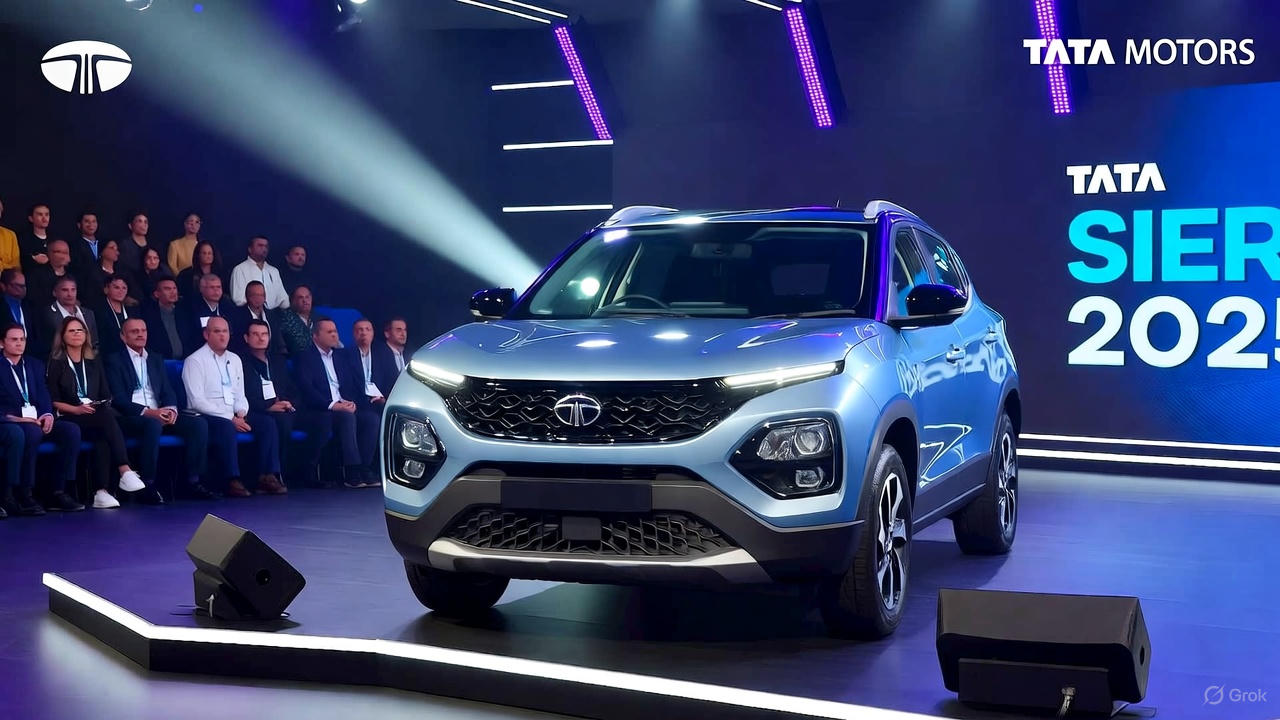
When the original Tata Sierra arrived, it challenged conventions. It wasn’t the most practical choice. It wasn’t the safest bet financially. But it had identity. It had presence. It made people look twice. That emotional connection is rare, and Tata clearly understands its value.
In 2026, the rules of the game are different. Buyers demand safety, technology, efficiency, and long-term reliability. They compare features down to the smallest detail. They expect premium quality even in mid-size SUVs. And increasingly, they are thinking about sustainability.
The new Tata Sierra seems ready to answer those expectations.
With its blend of heritage-inspired design, modern interiors, strong safety focus, and the flexibility of both electric and ICE powertrains, it positions itself as more than just a nostalgic revival. It positions itself as a serious contender in the ₹15–25 lakh SUV space.
What truly sets it apart is balance.
It’s not chasing extreme performance.
It’s not trying to be a hardcore off-roader.
It’s not simply another feature-loaded SUV built to follow trends.
Instead, it aims to offer character with practicality. Emotion with logic. Tradition with innovation.
If Tata executes pricing smartly and delivers on real-world performance, the Sierra could become one of the most important Indian SUV launches of the decade. Not because it shouts the loudest — but because it carries a story that already lives in people’s memories.
For buyers who want something meaningful — not just mechanical — the Tata Sierra deserves serious consideration.
The legend once stood tall on Indian roads.
Frequently Asked Questions (FAQs) For Tata Sierra
1. When will the Tata Sierra launch in India?
Ans. The Tata Sierra is expected to launch in India in 2026. Tata Motors has showcased near-production concepts, and the final version is likely to arrive first in electric form, followed by petrol and diesel variants.
2. Will the Tata Sierra be available as an electric SUV?
Ans. Yes, the Tata Sierra will be available as an electric SUV. The Tata Sierra EV is expected to be based on Tata’s new-generation EV platform and could offer a real-world driving range of around 380–420 km on a single charge.
3. What is the expected price of the Tata Sierra in India?
Ans. The expected price of the Tata Sierra in India is:
₹14–20 lakh (ex-showroom) for petrol/diesel variants
₹20–26 lakh (ex-showroom) for the electric version
Final pricing will depend on variant and battery configuration.
4. What engine options will the Tata Sierra offer?
Ans. The Tata Sierra is expected to offer:
1.5L turbo petrol engine
2.0L diesel engine (similar to the Tata Harrier)
Fully electric powertrain (Sierra EV)
Transmission options may include manual and automatic variants.
5. What is the expected mileage of the Tata Sierra?
Ans. Expected mileage figures are:
Petrol: 15–17 km/l
Diesel: 18–20 km/l
Electric version: 450–500 km claimed range (around 380–420 km real-world)
Actual mileage may vary based on driving conditions and usage.
6. How is the Tata Sierra different from the original 1990s model?
Ans. The original Tata Sierra was a three-door SUV with signature wraparound rear glass. The new Tata Sierra retains the iconic design inspiration but will be a modern five-door SUV with advanced safety, technology, and electric powertrain options.
7. What safety features will the Tata Sierra offer?
Ans. The Tata Sierra is expected to come with:
6 airbags
Electronic Stability Control (ESC)
360-degree camera
ADAS features
High-strength steel body structure
It is likely to aim for a 5-star crash safety rating.
8. Who are the main competitors of the Tata Sierra?
Ans. The Tata Sierra will compete with:
Hyundai Creta
Kia Seltos
Mahindra XUV700
MG ZS EV (for electric version)
Its EV option and heritage design give it a unique positioning in this segment.
9. Will the Tata Sierra have ADAS features?
Ans. Yes, the Tata Sierra is expected to offer Advanced Driver Assistance Systems (ADAS) in higher variants. Possible features include adaptive cruise control, lane keep assist, forward collision warning, and autonomous emergency braking.
10. Is the Tata Sierra suitable for families?
Ans. Yes, the Tata Sierra is designed as a practical five-door SUV with spacious rear seating, modern safety features, and strong build quality. It is expected to be a comfortable and safe family SUV for city and highway driving.
11. What makes the Tata Sierra unique in the SUV segment?
Ans. The Tata Sierra stands out because it combines:
Iconic heritage design
Modern electric powertrain option
Strong safety reputation
Premium interior layout
Very few SUVs in this segment offer both nostalgia and future-ready technology in one package.
12. Should you wait for the Tata Sierra before buying a mid-size SUV?
Ans. If you are planning to buy a mid-size SUV in the ₹15–25 lakh range and value design, safety, and EV flexibility, waiting for the Tata Sierra could be a smart decision. It may offer a fresh alternative to mainstream options like the Creta and Seltos.