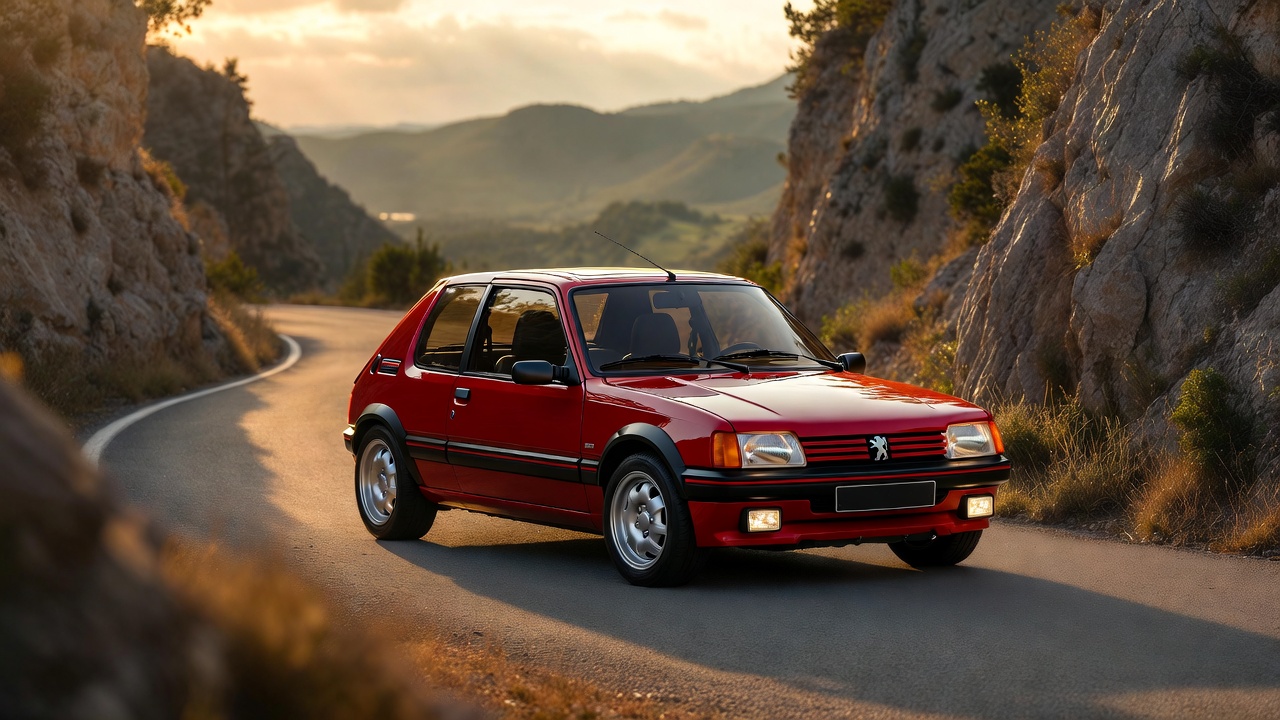
The Peugeot 205 GTI holds genuine historical importance in automotive engineering. It demonstrated how intelligent weight reduction, precise chassis tuning, and naturally aspirated engines could deliver performance without relying on excessive horsepower. At under one tonne in most configurations, the 205 GTI achieved an exceptional power-to-weight ratio for its era, setting new standards for compact performance cars across Europe.
The impact of the 205 GTI also extended beyond private ownership. It influenced how manufacturers approached front-wheel-drive performance, proving that agility and balance could rival rear-wheel-drive sports cars on twisty roads. Many modern hot hatches still borrow from the same principles first perfected in the 205 GTI—compact dimensions, responsive steering, and driver-focused feedback—making it a cornerstone model in hot hatch evolution.
Even today, automotive journalists frequently reference the 205 GTI when evaluating modern performance hatchbacks. Its continued relevance highlights not only its technical brilliance but also its cultural legacy as a car that made spirited driving accessible to everyday enthusiasts.
The Birth of the Peugeot 205 GTI
The Automotive World of the 1980s
The early 1980s were an exciting time for cars. Manufacturers were experimenting with performance in smaller, lighter packages. Volkswagen had already shocked the world with the Golf GTI, and suddenly, hot hatches became the new performance heroes for everyday drivers.
Peugeot entered this space with confidence — and style.
Why Peugeot Created the 205 GTI
The standard Peugeot 205 was designed as a practical supermini. But Peugeot engineers quickly realized that its lightweight chassis and compact size had serious performance potential. Their goal was simple:
- Create a car that was fun before fast
- Keep it affordable and usable daily
- Deliver pure driver engagement
The result was the 205 GTI, launched in 1984 — and nothing was the same again.
Design: Small, Simple, and Perfectly Balanced
Exterior Styling That Aged Gracefully
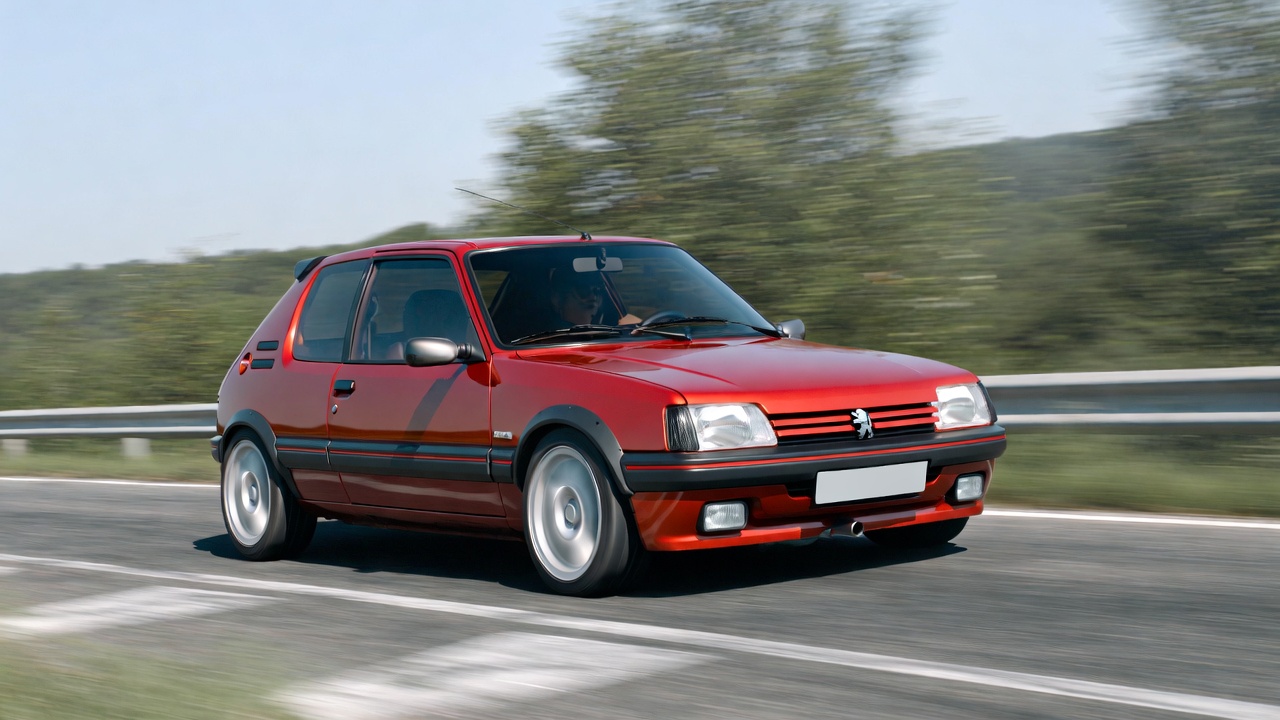
The Peugeot 205 GTI didn’t rely on aggressive body kits or oversized spoilers. Instead, it used subtle sporty details that still look classy today:
- Red pinstripes around the body
- Chunky alloy wheels
- Slightly flared wheel arches
- Compact, clean proportions
Its design was sporty without shouting — a big reason why it still looks good decades later.
Interior: Driver-Focused and Honest
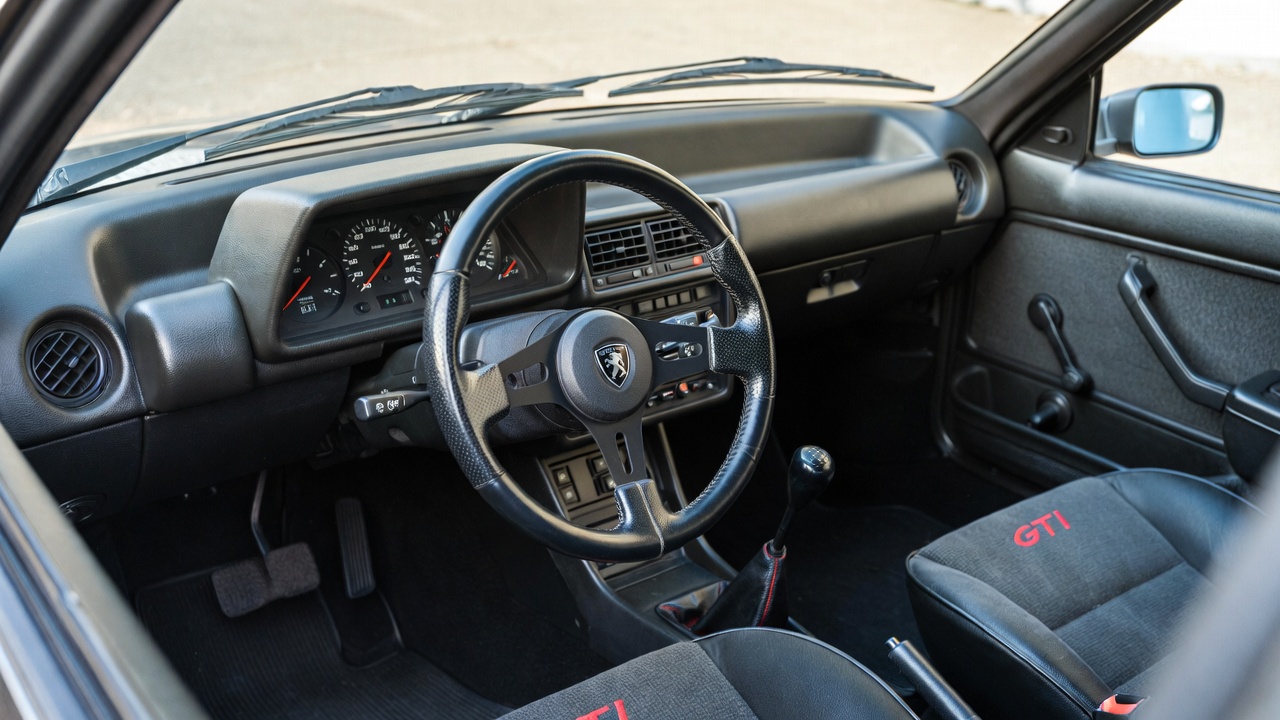
Step inside a Peugeot 205 GTI and you’ll find:
- Supportive sports seats
- A simple, no-nonsense dashboard
- Clear, easy-to-read gauges
- Excellent driving position
There was no unnecessary luxury. Everything existed for driving pleasure, and that simplicity is part of its charm.
Engines and Performance: Where the Magic Happened
1.6-Litre Peugeot 205 GTI
The original version featured a 1.6-litre petrol engine, producing:
- Around 105 hp initially
- Later upgraded to 115 hp
With a curb weight under 900 kg, the car felt alive. Acceleration was brisk, but more importantly, the throttle response was sharp and rewarding.
1.9-Litre Peugeot 205 GTI
In 1986, Peugeot introduced the legendary 1.9-litre GTI, which became the most sought-after version.
- Power output: 130 hp
- Faster acceleration
- Stronger mid-range torque
- More aggressive driving feel
This version cemented the 205 GTI as a true performance icon.
Driving Experience: Why Enthusiasts Still Worship It
Lightweight = Maximum Fun
The secret sauce of the Peugeot 205 GTI wasn’t raw power — it was lightness. Every input felt instant:
- Steering was razor-sharp
- Brakes were responsive
- Cornering felt playful yet controlled
The car communicated with the driver in a way modern cars often don’t.
Handling That Encouraged Confidence
Unlike some rivals, the 205 GTI rewarded skill. Push it hard, and it danced through corners. Lift off the throttle mid-turn, and the rear would gently rotate — thrilling but never terrifying.
- Fun for beginners
- Deeply rewarding for experienced drivers
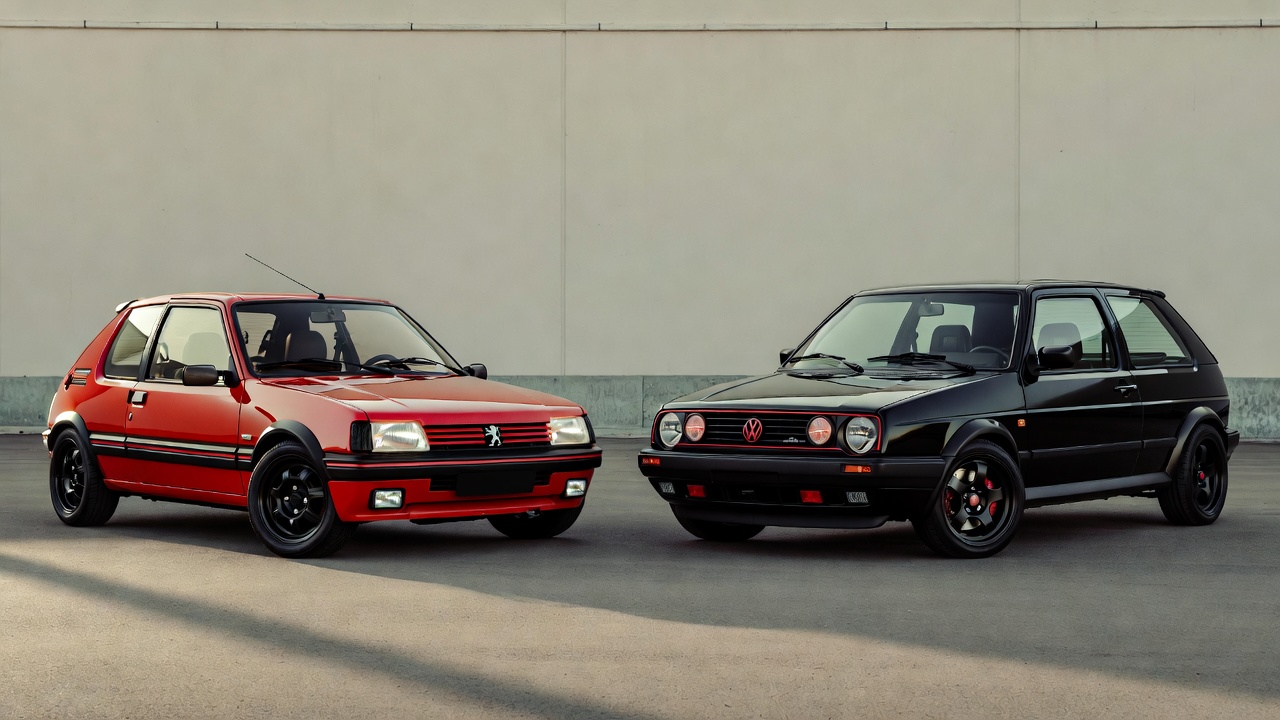
Peugeot 205 GTI vs Volkswagen Golf GTI Mk2
| Feature | Peugeot 205 GTI | Volkswagen Golf GTI Mk2 |
|---|---|---|
| Weight | Much lighter | Heavier |
| Driving Feel | Raw and playful | Stable and refined |
| Character | Wild and engaging | Mature and composed |
Verdict: Many drivers still argue that the 205 GTI feels more alive and emotionally engaging on twisty roads.
Peugeot 205 GTI vs Ford Fiesta XR2i
- The Ford Fiesta XR2i was fun to drive, but less precise overall
- The Peugeot 205 GTI felt more balanced and confidence-inspiring
- Build quality and chassis tuning favored the Peugeot
Driver’s Choice: The 205 GTI consistently stood out as the enthusiast’s favorite, thanks to its superior balance and feedback.
Motorsport Influence and Racing Heritage
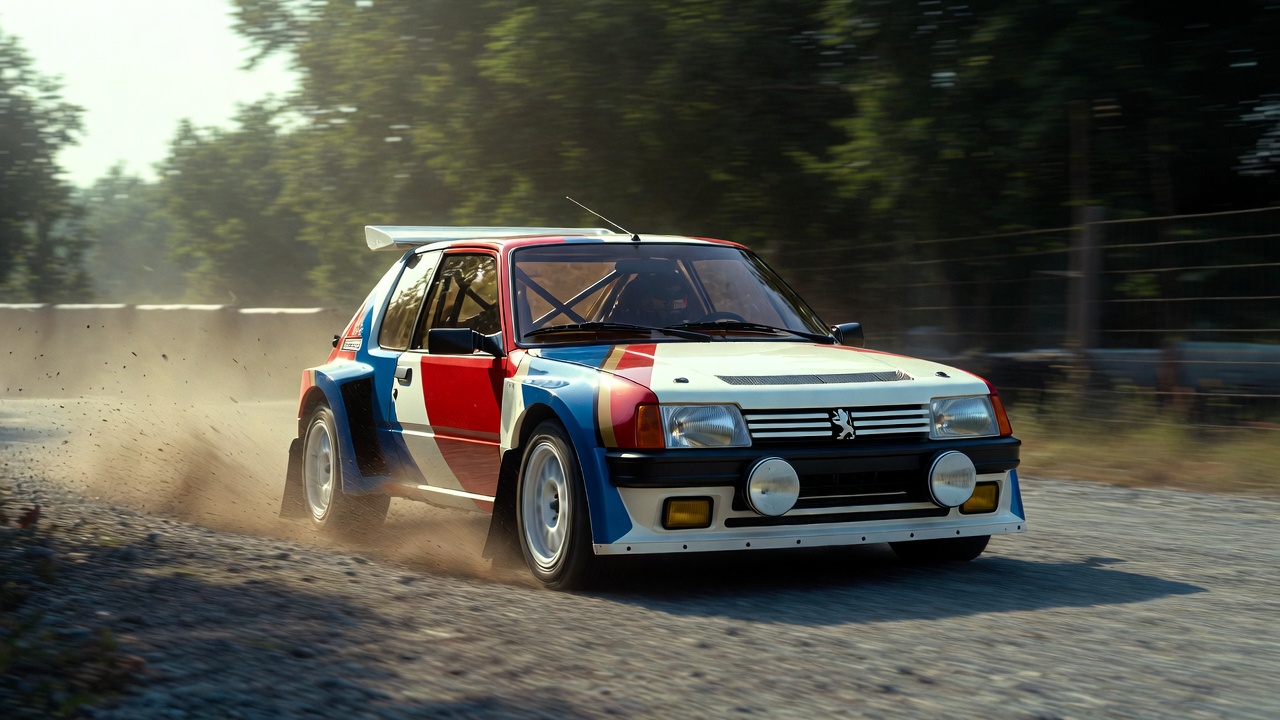
Peugeot didn’t just build a great road car — they backed it up on the track.
- The 205 platform dominated rallying
- Group B Peugeot 205 Turbo 16 became legendary
- Racing success boosted GTI credibility
This motorsport DNA flowed directly into the road-going 205 GTI.
Reliability and Ownership Experience
Is the Peugeot 205 GTI Reliable?
Yes — if maintained properly.
- Simple mechanical design
- Strong engines
- Lightweight components
Common issues today are mostly age-related:
- Rust
- Worn suspension
- Interior wear
Maintenance and Parts Availability
- Parts are still widely available
- Strong aftermarket support
- Active global owner communities
Owning a 205 GTI today is very achievable.
Collectibility and Market Value Today
Rising Classic Status
The Peugeot 205 GTI is no longer just a used car — it’s a modern classic.
- Limited good examples remain
- Strong nostalgia value
- High demand among collectors
Which Version Is Most Valuable?
- 1.9-litre GTI → most valuable
- Low-mileage, original examples → premium pricing
- Modified cars → less desirable to collectors
Why the Peugeot 205 GTI Is Still Relevant Today
- Driving joy doesn’t need huge power
- Lightness matters
- Connection beats complexity
It represents a time when cars were built for the driver first.
Conclusion: The Timeless Appeal of the Peugeot 205 GTI
The Peugeot 205 GTI represents a near-perfect balance between simplicity and performance. Its mechanical layout avoided unnecessary complexity, which not only improved reliability but also preserved a direct connection between the driver and the road. This mechanical honesty is a key reason why the 205 GTI remains highly respected among purists and collectors alike.
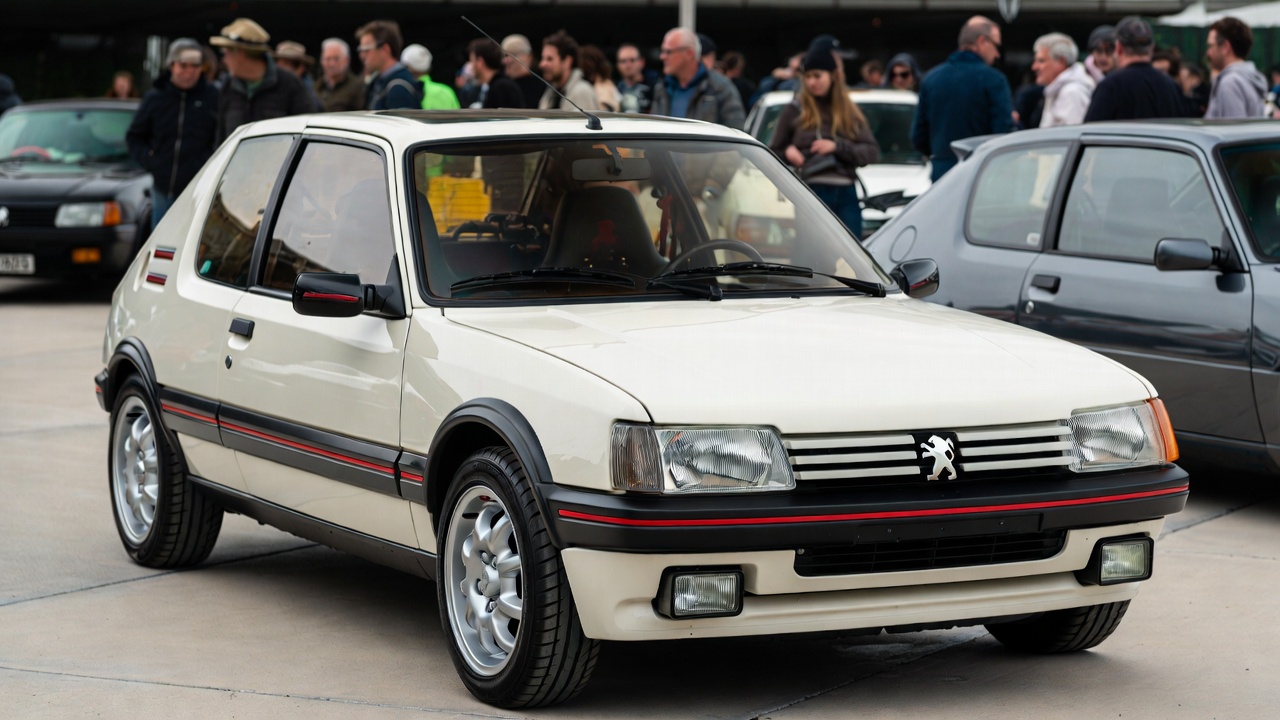
In the modern classic car market, the 205 GTI has transitioned from an affordable used hatchback to a recognized automotive icon. Increasing values reflect its rarity in original condition and growing appreciation among younger enthusiasts discovering analog driving experiences for the first time. Well-maintained examples now command strong prices, particularly unmodified 1.9-litre models with documented history.
Ultimately, the 205 GTI’s legacy is not defined by numbers alone but by how it makes drivers feel. It stands as proof that great cars are built on balance, character, and driver engagement—not just technology. For anyone passionate about classic performance cars, the 205 GTI is more than a legend—it is a benchmark that continues to shape how great hot hatches are judged.
👉 Share your thoughts in the comments, tell us your favorite hot hatch, or explore our other classic car deep dives.
Frequently Asked Questions (FAQs) For Peugeot 205 GTI
1. What is the Peugeot 205 GTI?
Ans. The Peugeot 205 GTI is a classic hot hatch launched in the 1980s, known for lightweight design and thrilling driving dynamics.
2. When was the Peugeot 205 GTI produced?
Ans. It was produced between 1984 and 1994.
3. Which engine is better: 1.6 or 1.9 GTI?
Ans. The 1.9 GTI offers more power and torque, making it the more desirable version today.
4. Is the Peugeot 205 GTI reliable?
Ans. Yes, when properly maintained. Most issues are age-related rather than design flaws.
5. Why is the Peugeot 205 GTI so popular?
Ans. Its lightweight build, engaging handling, and pure driving feel make it unforgettable.
6. Is the Peugeot 205 GTI a good investment?
Ans. Yes. Values are rising, especially for original and well-maintained examples.
7. How fast is the Peugeot 205 GTI?
Ans. The 1.9 GTI can accelerate from 0–100 km/h in around 7.8 seconds.
8. What cars compete with the 205 GTI?
Ans. Volkswagen Golf GTI, Ford Fiesta XR2i, and Renault 5 GT Turbo.
9. Is it good for daily driving today?
Ans. It can be, but most owners prefer weekend or collector use.
10. Does the Peugeot 205 GTI have motorsport heritage?
Ans. Yes, it shares DNA with Peugeot’s highly successful rally cars.
11. Are spare parts still available?
Ans. Yes, thanks to strong aftermarket and enthusiast support.
12. Why do enthusiasts still love the Peugeot 205 GTI?
Ans. Because it delivers pure, honest driving fun that modern cars struggle to replicate.