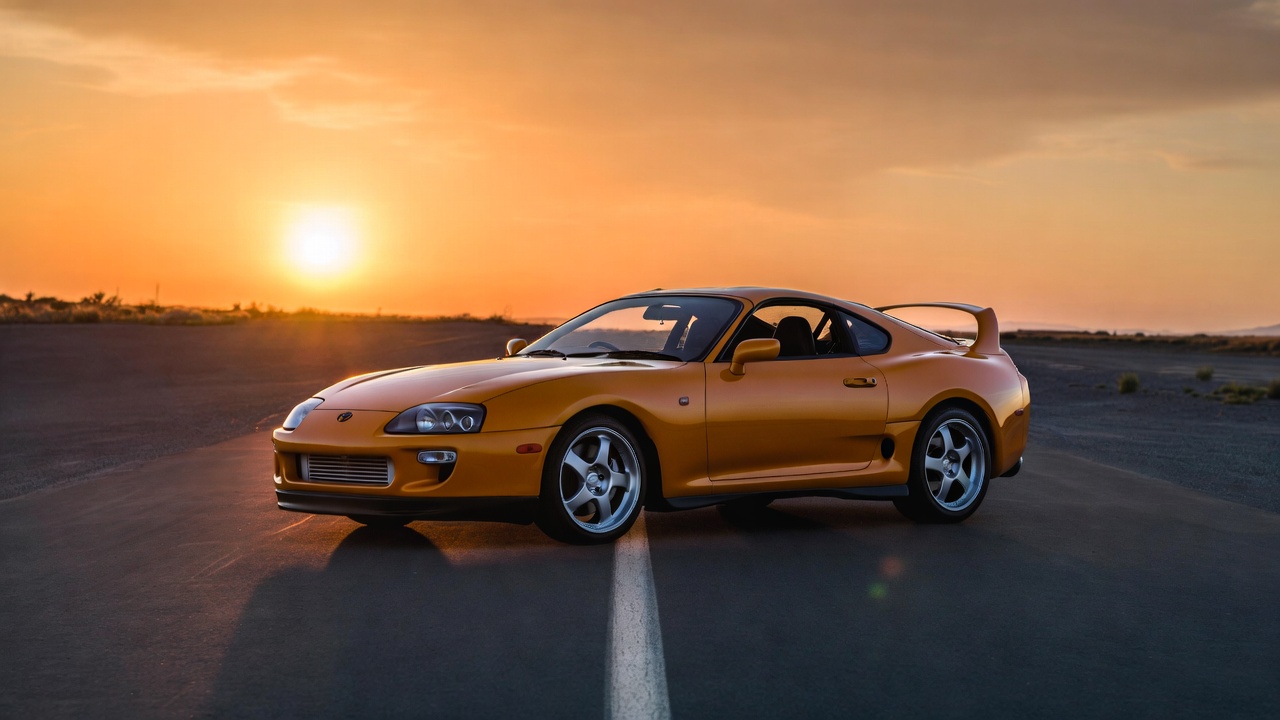
The Toyota Supra Mk4, officially known as the A80 Supra, is widely regarded as one of the most influential sports cars ever produced by a Japanese manufacturer. Launched in the early 1990s, it represented Toyota’s peak performance engineering during a golden era of internal combustion sports cars. At a time when manufacturers focused on mechanical strength rather than software-driven performance, the Supra Mk4 stood out for its robust construction, balanced chassis, and legendary inline-six engine.
What truly sets the Supra Mk4 apart is its ability to appeal to multiple audiences at once. For casual drivers, it offered comfort, refinement, and everyday usability. For performance enthusiasts, it delivered immense power potential, rear-wheel-drive excitement, and unmatched durability. Decades after production ended, the Supra Mk4 remains relevant—not because of nostalgia alone, but because its engineering continues to outperform expectations even by modern standards.
Today, the Supra Mk4 is no longer just a sports car; it is a benchmark. Its influence can be seen in modern performance vehicles, tuning culture, motorsports, and even automotive investment markets. Understanding why this car became a global icon helps explain why it still commands respect, high resale value, and passionate admiration worldwide.
Toyota Supra Mk4 Overview
Before diving deep, let’s understand what makes this car special at a glance.
Quick Highlights
- Production Years: 1993–2002
- Generation: Fourth Generation (A80)
- Body Style: 2-door coupe
- Drivetrain: Rear-wheel drive
- Engine Options: Naturally aspirated & turbocharged inline-six
- Reputation: Legendary reliability and tuning potential
The Toyota Supra Mk4 was built during an era when Japanese manufacturers pushed engineering boundaries—and Toyota went all in.
History of the Toyota Supra Mk4
How the Supra Name Evolved
The Supra name originally began as a performance-oriented version of the Toyota Celica. Over time, it evolved into a standalone sports car. By the time the Mk4 arrived, Supra had fully separated itself and stood proudly as Toyota’s flagship performance model.

The 1990s Performance Boom
During the 1990s, Japan produced some of the most iconic sports cars ever:
- Nissan Skyline GT-R
- Mazda RX-7
- Honda NSX
- Toyota Supra Mk4
Among them, the Supra Mk4 stood out for blending raw power, reliability, and daily usability.
Design Philosophy: Aggressive Yet Timeless
Exterior Design
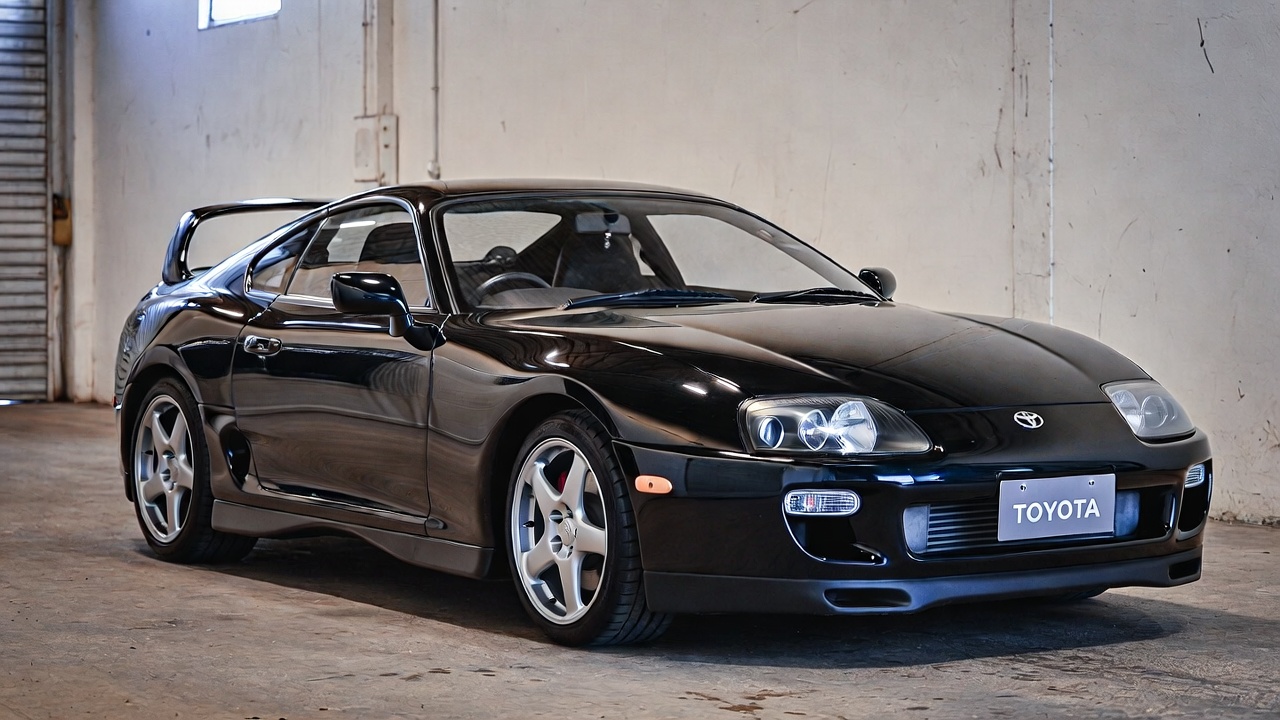
The Toyota Supra Mk4 featured a bold, muscular design that still looks modern today.
Key exterior elements include:
- Long, sculpted hood
- Smooth aerodynamic curves
- Large rear wing (Turbo models)
- Wide stance for stability
- Rounded headlights and taillights
Unlike boxy designs of earlier decades, the Mk4 embraced aerodynamics, helping it perform well at high speeds.
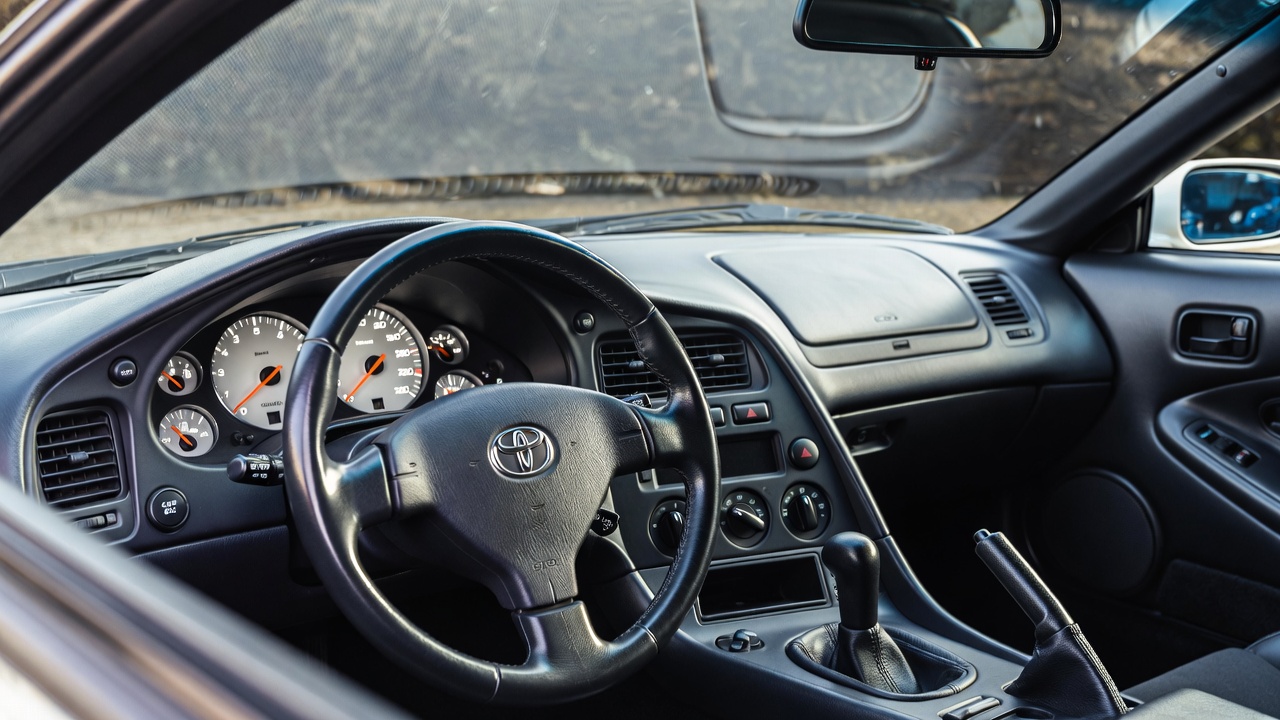
Interior Design
Inside, the Supra Mk4 focused on the driver.
Interior highlights:
- Driver-oriented cockpit
- Clear analog gauges
- Comfortable sport seats
- Simple yet functional layout
It wasn’t flashy—it was purposeful.
Engine Options in the Toyota Supra Mk4
The Legendary 2JZ Engine
The heart of the Supra Mk4 is the legendary 2JZ inline-six engine, widely considered one of the strongest production engines ever built.
2JZ-GE (Naturally Aspirated)
- Smooth power delivery
- Strong reliability
- Ideal for daily driving
2JZ-GTE (Twin Turbo)
- Twin sequential turbochargers
- Massive tuning potential
- Capable of handling extreme power
The 2JZ-GTE is the engine that turned the Supra Mk4 into a global icon.
Performance and Driving Experience
Stock Performance
Even in stock form, the Toyota Supra Mk4 delivered impressive performance.
Typical performance traits:
- Strong acceleration
- Excellent balance
- Stable high-speed handling
- Smooth power delivery
Toyota intentionally underrated its power figures, meaning real-world performance was often better than expected.
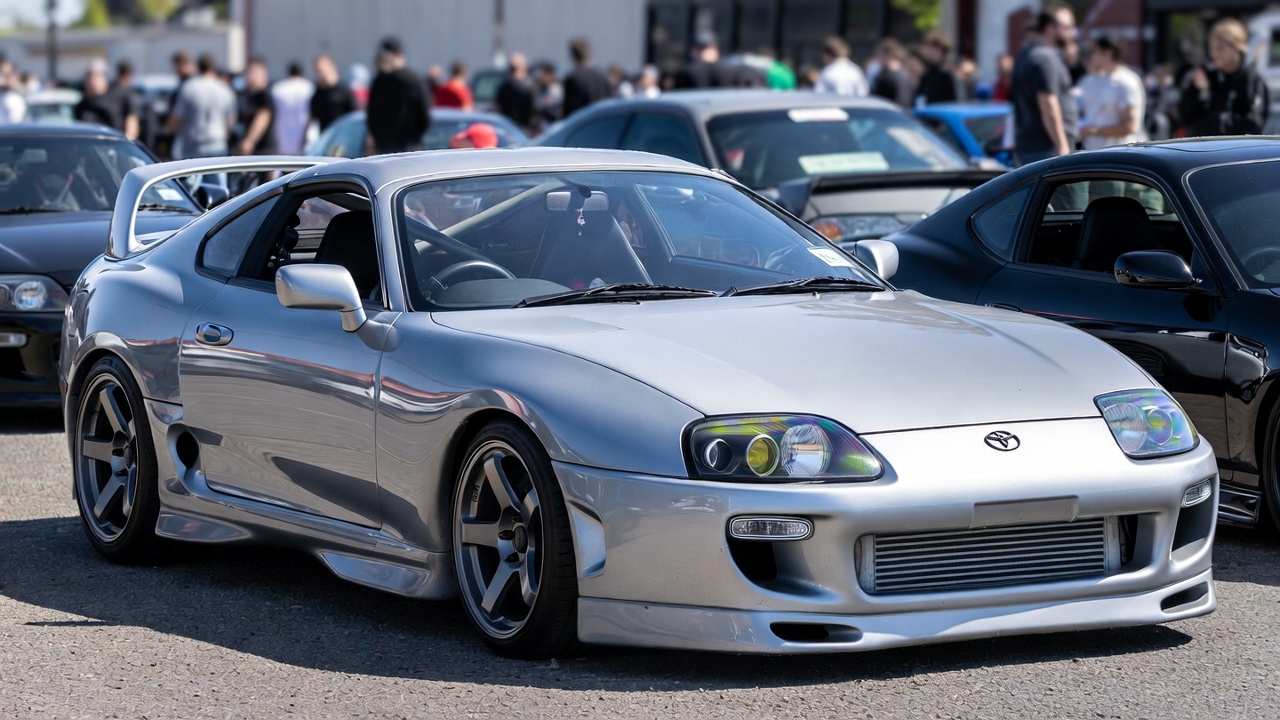
Manual vs Automatic Transmission
- Manual Transmission: Preferred by enthusiasts, offers direct control and better engagement.
- Automatic Transmission: Smooth and reliable, especially for daily use.
Both versions benefited from Toyota’s legendary build quality.
Why the Toyota Supra Mk4 Is a Tuner’s Dream
Overbuilt from the Factory
Toyota engineers designed the Supra Mk4 to handle stress. As a result:
- Strong engine internals
- Durable transmission
- Robust cooling systems
This overengineering made it perfect for modifications.
Unlimited Tuning Potential
With proper upgrades, the Toyota Supra Mk4 can produce:
- 500+ horsepower with basic mods
- 800–1000+ horsepower with advanced builds
That’s why it dominates drag racing, street builds, and track setups worldwide.
Reliability: A True Toyota Strength
One reason the Toyota Supra Mk4 remains legendary is reliability.
Why It Lasts So Long
- High-quality materials
- Conservative factory tuning
- Strong engine block
- Excellent cooling design
Even heavily modified Supras are known to survive extreme conditions when maintained properly.
Toyota Supra Mk4 in Motorsports
The Supra Mk4 wasn’t just a street legend—it was a competitive force.
Motorsport Presence
- Drag racing dominance
- Circuit racing builds
- Time attack events
- Drift competitions
Its adaptability made it suitable for almost any racing discipline.
Pop Culture Impact of the Toyota Supra Mk4
Movies and Media
The Toyota Supra Mk4 gained massive mainstream attention through:
- Racing games
- Car magazines
- Street racing culture
- Iconic movie appearances
This exposure transformed it from a sports car into a cultural symbol.
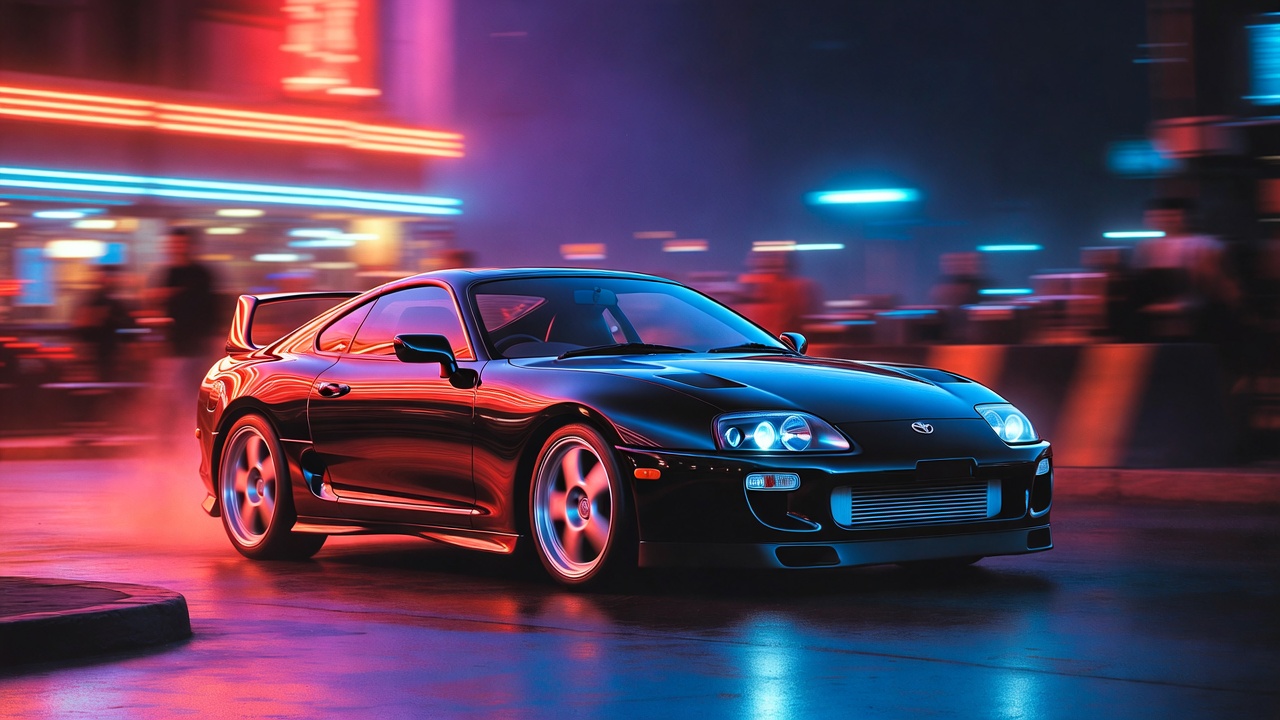
Gaming and Online Influence
From classic racing games to modern simulators, the Supra Mk4 remains a fan favorite, introducing new generations to its legacy.
Toyota Supra Mk4 vs Modern Sports Cars
What Makes It Different Today?
Compared to modern sports cars, the Supra Mk4 offers:
- Mechanical simplicity
- Raw driving feel
- Less electronic interference
- Stronger emotional connection
Modern cars may be faster on paper, but few feel as alive as the Mk4.
Ownership Experience Today
Buying a Toyota Supra Mk4
Today, finding a clean Supra Mk4 can be challenging due to:
- Limited production
- High demand
- Collector interest
Prices continue to rise, especially for turbo manual models.
Maintenance Considerations
- Regular servicing is essential
- Original parts can be expensive
- Modified cars require careful inspection
Still, many owners consider it worth every effort.
Why the Toyota Supra Mk4 Is a Collector’s Car
The Toyota Supra Mk4 has crossed into collector territory.
Reasons include:
- Historical importance
- Legendary engine
- Limited availability
- Strong enthusiast demand
It’s no longer just a car—it’s an investment and a piece of automotive history.
Conclusion: The Legacy of the Toyota Supra Mk4
The Toyota Supra Mk4 represents a rare moment in automotive history when durability, performance, and engineering ambition aligned perfectly. Built during an era without strict electronic limitations, it showcased what was possible through intelligent mechanical design and long-term reliability. Its legendary 2JZ engine, balanced chassis, and overengineered components have proven their worth over decades of real-world use, motorsport competition, and extreme performance builds.

Beyond specifications and performance figures, the Supra Mk4’s true legacy lies in its adaptability. It has succeeded as a stock grand tourer, a high-horsepower drag machine, a track-focused racer, and a collector-grade classic. Few cars in history have managed to evolve across generations of enthusiasts while maintaining relevance in both performance discussions and cultural conversations.
As values continue to rise and clean examples become increasingly rare, the Supra Mk4 has firmly transitioned from a used sports car to a recognized automotive icon and long-term asset. Whether viewed as a driver’s car, a tuning platform, or a historical milestone in Japanese performance engineering, the Supra Mk4 stands as a reminder of what thoughtful design and uncompromised engineering can achieve.
💬 What does the Toyota Supra Mk4 mean to you?
Share your thoughts in the comments, explore our other legendary car guides, and stay connected for more deep dives into iconic performance machines.
Frequently Asked Questions (FAQs): Toyota Supra Mk4
1. What is the Toyota Supra Mk4?
Ans. The Toyota Supra Mk4 is the fourth-generation Supra sports car produced from 1993 to 2002.
2. Why is the Toyota Supra Mk4 so famous?
Ans. It’s famous for its powerful 2JZ engine, tuning potential, reliability, and pop culture impact.
3. What engine does the Supra Mk4 use?
Ans. It uses the 2JZ-GE (NA) or 2JZ-GTE (twin-turbo) inline-six engine.
4. Is the Toyota Supra Mk4 reliable?
Ans. Yes, it’s known for exceptional reliability when properly maintained.
5. How much horsepower can a Supra Mk4 handle?
Ans. With modifications, it can safely handle 800–1000+ horsepower.
6. Is the Supra Mk4 good for beginners?
Ans. Stock models are beginner-friendly, but high-power builds require experience.
7. Why is the Supra Mk4 expensive today?
Ans. Limited supply, high demand, and collector value have increased prices.
8. Was the Supra Mk4 sold worldwide?
Ans. Yes, but availability varied by market and region.
9. Manual or automatic Supra Mk4—what’s better?
Ans. Manual is preferred by enthusiasts, but automatics are still reliable and capable.
10. Is the Toyota Supra Mk4 a good investment?
Ans. Yes, well-maintained models continue to appreciate in value.
11. How does the Supra Mk4 compare to modern sports cars?
Ans. It offers a more raw, mechanical driving experience with less electronic control.
12. Is the Supra Mk4 still relevant today?
Ans. Absolutely—it remains one of the most respected sports cars ever made.