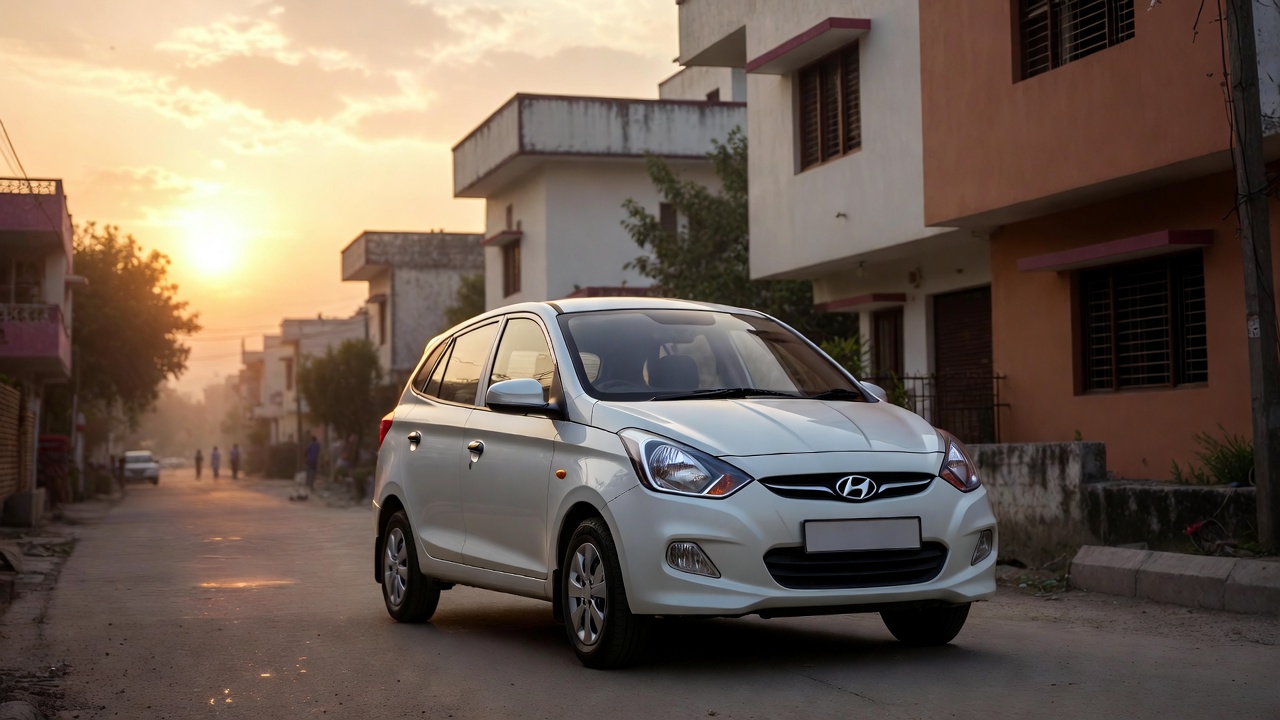
There was a time in India when owning a car wasn’t just about convenience — it was about pride. It meant progress. It meant stability. It meant you had taken a big step forward in life.
And for millions of Indian families, that emotional milestone came with the Hyundai Santro.
When it first arrived, people were skeptical. After all, Hyundai Motor Company was new to India. The market was dominated by established players, and brand loyalty was strong.
But then something unexpected happened.
The Santro didn’t just compete — it connected.
Its tall-boy design felt practical. Its engine felt smooth. Its features felt modern. And its pricing felt achievable. Suddenly, middle-class families had a fresh, exciting alternative.
Driving schools adopted it. Taxi operators trusted it. Families recommended it to relatives. Word of mouth did what advertisements alone never could.
The Hyundai Santro didn’t just sell in numbers — it built trust.
And even today, years after discontinuation, the name “Santro” still sparks nostalgia. That’s not common. That’s legacy.
Design & Exterior: The Tall-Boy Revolution of Hyundai Santro
When the Hyundai Santro first hit the roads, its design stood out instantly. While most hatchbacks were low and compact, Santro adopted a “tall-boy” design.
Why the Tall-Boy Design Mattered
- More headroom
- Easier entry and exit
- Better visibility
- Urban-friendly dimensions
For Indian families, especially elders, the higher seating position was a blessing. You didn’t have to bend awkwardly to get inside.
The rounded headlights, compact proportions, and simple grille gave it a friendly face. It wasn’t aggressive. It wasn’t flashy. But it looked honest and practical.
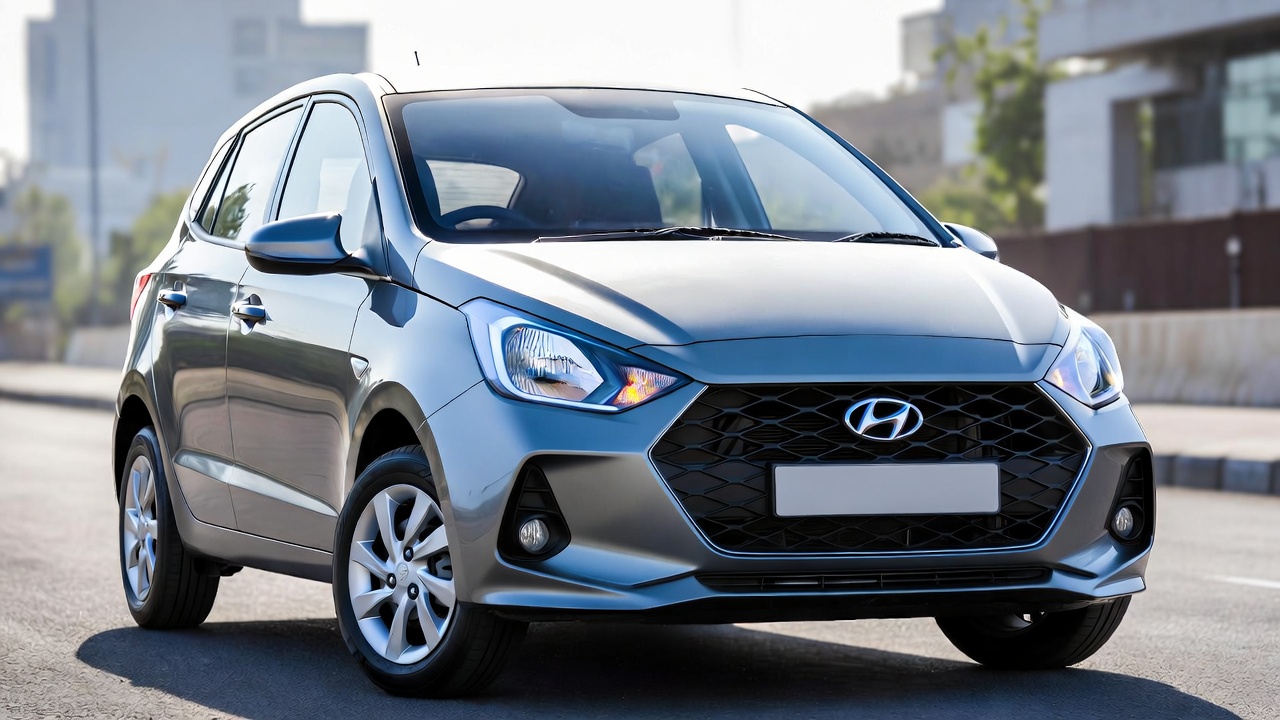
Later updates brought:
- Clear lens headlamps
- Redesigned bumpers
- Body-colored mirrors
- New alloy wheels
The 2018 relaunch carried forward the tall-boy DNA but with a more modern front fascia. It looked sharper and more contemporary while retaining its city-focused personality.
Interior & Features: Hyundai Santro Cabin Space and Comfort
Step inside the Hyundai Santro, and you immediately notice one thing — space.
Despite being a small hatchback, it never felt cramped.
Cabin Layout
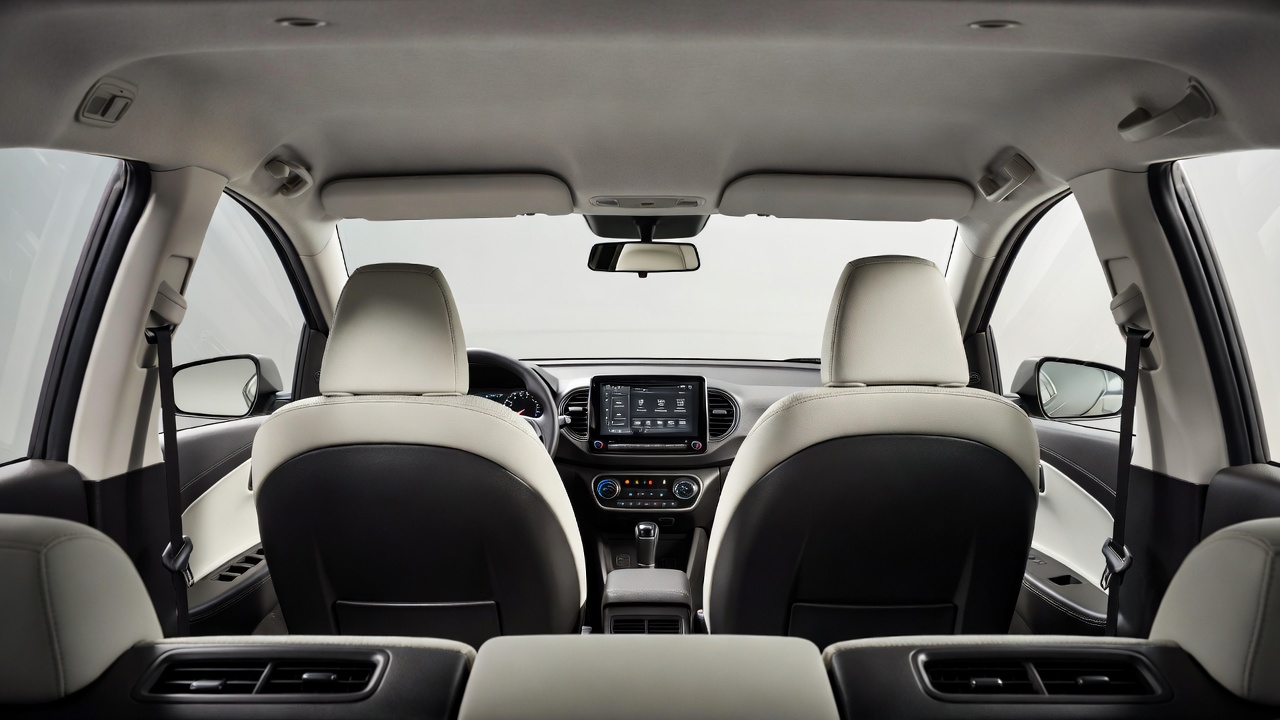
The dashboard design was clean and uncluttered. Controls were logically placed. The large windows created an airy feel.
Even tall passengers found decent headroom, thanks to the tall structure.
Comfort Highlights
Depending on the variant, you got:
- Power steering
- Power windows
- Rear AC vents (a rare feature in this segment)
- Adjustable headrests
- Dual-tone interiors (in later versions)
The rear AC vent was a game-changer. In India’s hot climate, that feature alone made many buyers choose the Santro over rivals.
The seats were comfortable for city commutes. Long highway trips? Manageable, though not luxury-level.
Engine & Performance: Hyundai Santro Petrol Engine Review
Under the hood, the Hyundai Santro was powered by a refined petrol engine that became known for its smoothness.
Engine Specifications (2018 Model)
- 1.1-litre, 4-cylinder petrol engine
- Around 69 PS of power
- 99 Nm of torque
- 5-speed manual gearbox
- Optional AMT (Automated Manual Transmission)
The engine wasn’t built for speed thrills. It was built for reliability and ease.
In city traffic, the light clutch and smooth gear shifts made driving effortless. The AMT option further enhanced convenience, especially for daily office commuters.
The Santro always felt happiest in urban conditions. It wasn’t a highway cruiser, but it could handle occasional long drives comfortably.
Mileage: Hyundai Santro Fuel Efficiency and Real-World Mileage
When we talk about small hatchbacks in India, mileage isn’t just a number — it’s a deciding factor.
The Hyundai Santro understood this very well.
Claimed Mileage Figures (Petrol)
- Around 20 km/l (Manual)
- Slightly lower for AMT
- CNG variant offered significantly lower running costs
Now let’s talk real-world numbers.
In daily city driving conditions — with traffic, signals, and occasional AC usage — owners typically reported:
- 14–17 km/l in city
- 17–19 km/l on highways (steady driving)
That’s respectable for a 1.1-litre petrol engine.
What made the Santro efficient wasn’t just its engine size. It was the smooth power delivery and lightweight structure. The car didn’t feel strained during normal driving, which naturally helped maintain better fuel economy.
If you were someone commuting 20–30 km daily, the Santro kept your fuel bills predictable and manageable.
For budget-conscious families and small business owners, the CNG variant became an even smarter choice.
Variants & Pricing: Hyundai Santro Price and Model Variants
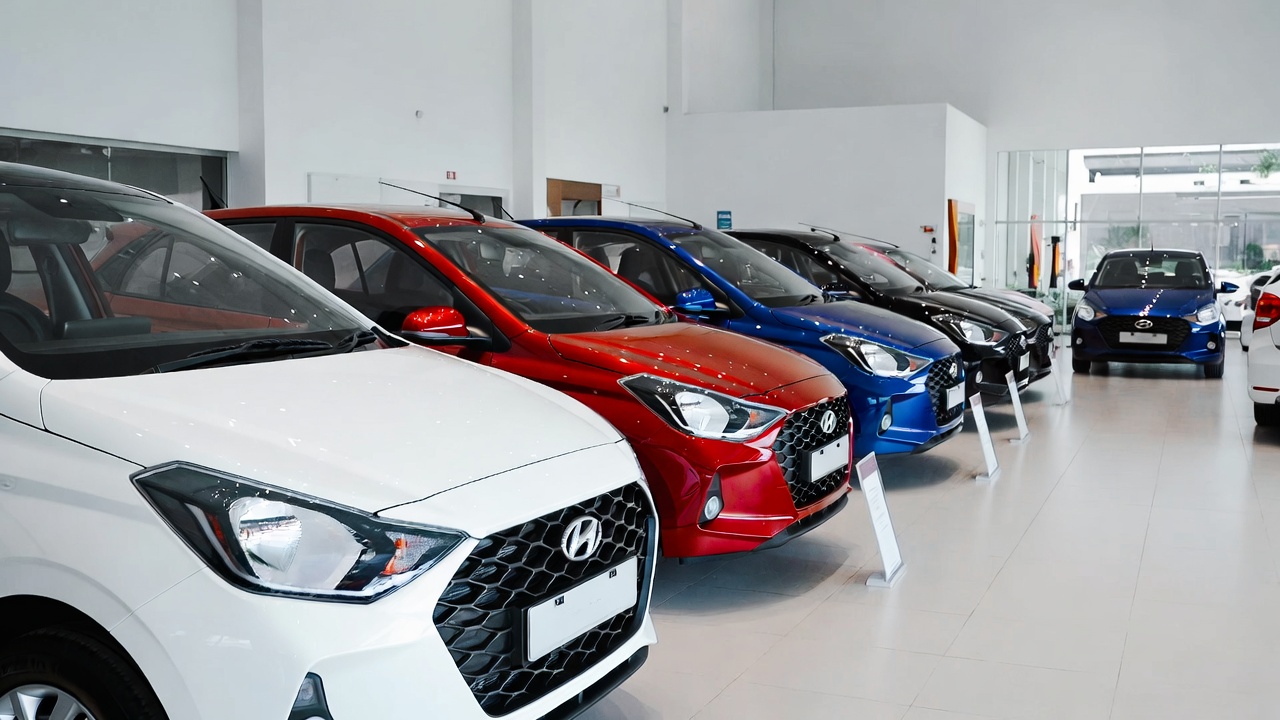
One of the smartest strategies behind the Hyundai Santro’s success was its variant planning.
Hyundai made sure that whether you were a first-time buyer or someone upgrading from a two-wheeler, there was a Santro that fit your budget.
Major Variants (2018 Generation)
- Era Executive – Basic but practical
- Magna – Added comfort features
- Sportz – Balanced features and value
- Asta – Fully loaded experience
Each upgrade added meaningful features instead of cosmetic gimmicks.
For example:
- Higher variants offered touchscreen infotainment
- Rear AC vents became available
- Steering-mounted controls improved driving comfort
Pricing Strategy
At launch, the Santro was positioned aggressively between approximately:
₹3.9 lakh to ₹5.6 lakh (ex-showroom)
That pricing placed it right in the sweet spot of India’s entry-level hatchback market.
It undercut some rivals while offering more features. That balance was crucial.
Today, in the used car market, Santro prices vary widely depending on:
- Year of manufacture
- Condition
- Mileage driven
- Service history
If you find a well-maintained example, it still represents solid value.
Safety Features: Hyundai Santro Safety and Protection
Safety expectations have evolved dramatically in recent years. However, during its time, the Hyundai Santro offered essential protective features.
Safety Equipment (Later Models)
- Driver-side airbag (standard in later years)
- ABS with EBD
- Rear parking sensors
- Seatbelt reminders
- High-speed alert system
The structure was built for urban usage, not high-speed crash protection standards seen in newer cars.
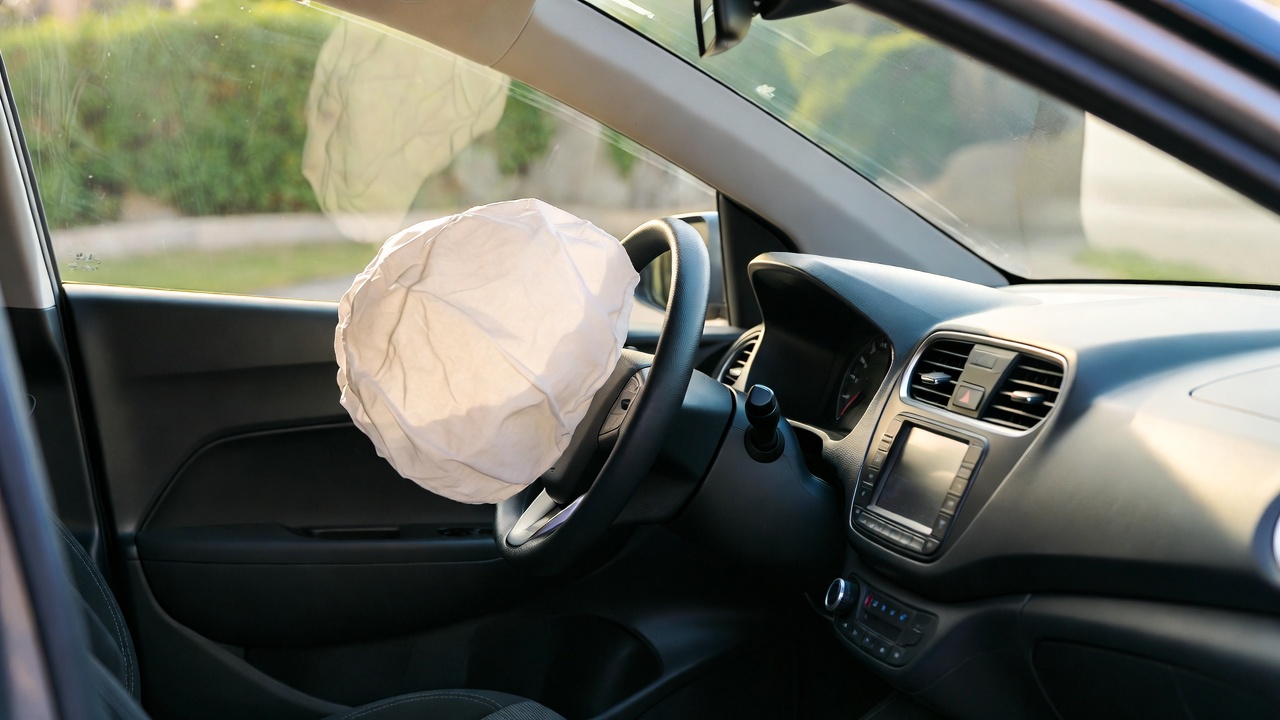
Compared to rivals like Tata Tiago, which emphasized build strength, the Santro felt lighter.
So, if you’re evaluating it today as a used purchase, understand its positioning. It was built as an affordable city hatchback, not a heavy-duty safety-focused car.
That said, for calm urban driving with responsible habits, it remains practical.
Technology & Infotainment: Hyundai Santro Features and Connectivity
When Hyundai reintroduced the Santro in 2018, they ensured it wasn’t outdated.
In fact, technology became one of its strong selling points.
Key Tech Highlights
- 7-inch touchscreen infotainment system
- Apple CarPlay & Android Auto
- Bluetooth connectivity
- Voice recognition support
- Steering-mounted audio controls
For a budget hatchback, these were premium-level additions.
Many buyers upgrading from older cars were surprised to see smartphone integration in this price bracket.
It made the cabin feel modern and youthful.
However, don’t expect ultra-fast touch response or luxury-level display quality. It delivered what mattered — practical connectivity.
Real-World Driving Experience: Hyundai Santro Ownership Review
Specs tell one story. Ownership tells another.
Living with the Hyundai Santro is about ease.
The clutch is light. The steering is effortless. The visibility is excellent because of the tall seating position.
In bumper-to-bumper traffic, it feels manageable rather than tiring.
Parking in tight spaces? Stress-free.
The compact dimensions and large glass area give confidence to new drivers.
Highway Performance
On highways, the Santro performs best between 80–100 km/h.
Push beyond that, and you’ll notice:
- Engine noise increases
- Stability feels adequate but not sporty
- Overtakes require planning
But remember — it was never built to be a performance hatchback.
Maintenance & Reliability
Hyundai’s service network across India is extensive. Spare parts availability has rarely been an issue.
Routine servicing costs remain affordable, especially compared to premium hatchbacks.
Owners often praise the engine smoothness even after years of usage.
That long-term durability is one reason the Santro built such loyalty.
Competitors Comparison: Hyundai Santro vs WagonR vs Tiago
During its prime, the Santro faced stiff competition.
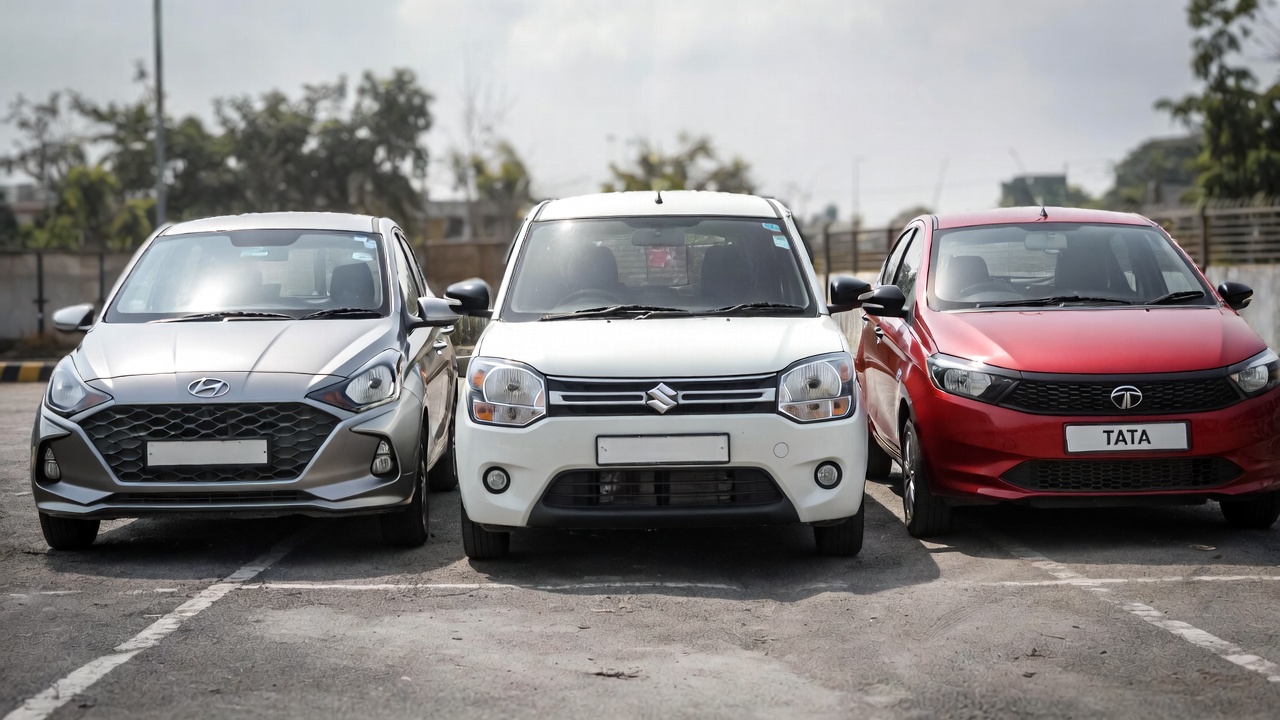
Against Maruti Suzuki WagonR
Both followed the tall-boy formula.
WagonR offered:
- Proven reliability
- Strong resale value
- Continued production support
Santro offered:
- Smoother engine refinement
- Better interior feel
- Rear AC vents advantage
Against Tata Tiago
Tiago focused heavily on:
- Build quality
- Safety perception
- Solid feel
Santro countered with:
- Brand trust
- Smooth power delivery
- Better feature integration
Against Datsun GO
The Datsun GO was spacious but lacked premium finish.
Santro felt:
- Better built inside
- More refined
- More complete as a product
In short, Santro didn’t dominate on one extreme strength — it won by balance.
Pros & Cons of Hyundai Santro
Pros
- Smooth petrol engine
- Spacious tall-boy design
- Easy city drivability
- Reliable brand image
- Good resale value
- Rear AC vents
Cons
- Basic safety compared to newer rivals
- Average highway performance
- Limited premium feel
- Discontinued model (availability limited to used market)
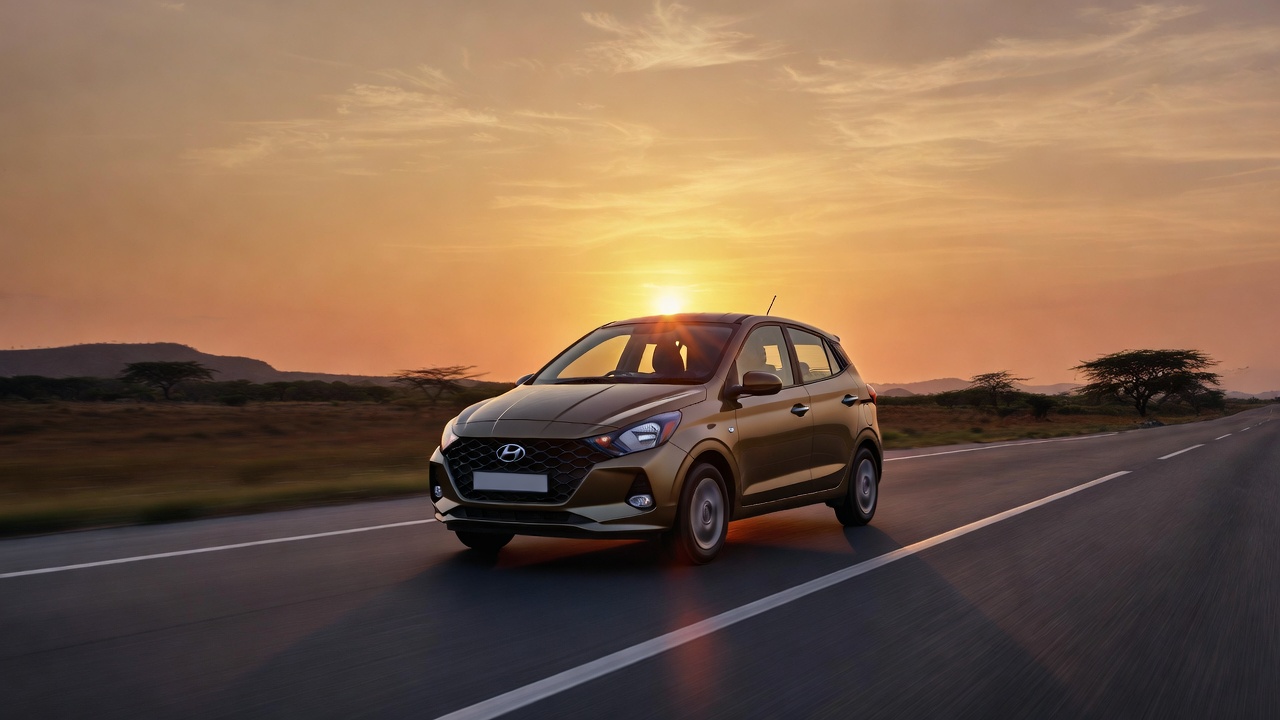
Who Should Buy a Hyundai Santro Today?
Buying a used Hyundai Santro today makes sense if:
- You want a reliable city commuter
- You are learning to drive
- You need a second family car
- Your budget is limited
- You prioritize low maintenance over luxury
It’s especially suitable for:
- College students
- Working professionals commuting daily
- Small families in urban areas
However, avoid it if:
- You prioritize top-tier crash safety
- You want high-speed highway performance
- You need a feature-packed modern cabin
The Santro is about practicality, not excitement.
Conclusion: A Legend That Still Deserves Respect
The Hyundai Santro represents a phase in the Indian automobile journey that many people still look back on with quiet appreciation. It wasn’t designed to dominate headlines or chase performance numbers. Instead, it focused on accessibility, reliability, and everyday usability — and that approach worked brilliantly.
For a large section of Indian buyers, the Santro was their first car. It marked promotions, weddings, growing families, and new beginnings. It became part of daily routines — school drops, office commutes, grocery runs, and weekend temple visits. Few cars manage to integrate themselves so naturally into people’s lives.
From a product perspective, the Santro succeeded because it understood its audience. It offered a smooth and refined petrol engine, a comfortable tall-boy seating position, practical interior space, and features that felt thoughtful rather than excessive. Rear AC vents, light steering, compact dimensions — these weren’t luxury elements, but they solved real-world problems.
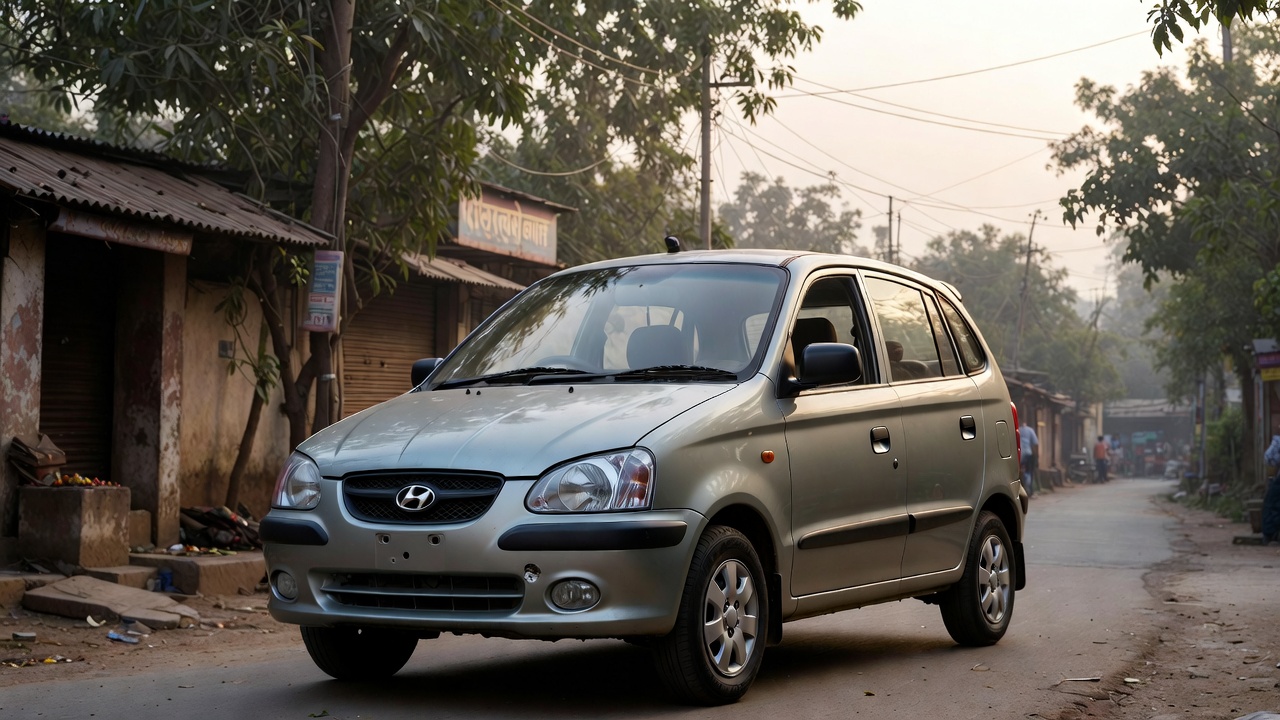
Ownership was another strong point. Thanks to the extensive service network of Hyundai Motor Company, maintenance remained manageable and parts were widely available. That long-term peace of mind played a big role in building customer trust.
At the same time, it’s important to view the Santro in context. Automotive standards have moved forward. Today’s hatchbacks offer stronger safety structures, multiple airbags, larger infotainment systems, and more powerful engines. The Santro, especially in its earlier generations, reflects the expectations of its time.
So where does that leave it today?
If you are considering a used car primarily for city commuting, learning to drive, or as a secondary household vehicle, a well-maintained Santro can still serve you reliably. It’s simple, easy to handle, and does not overwhelm new drivers with complexity.
However, if your priorities lean heavily toward advanced safety ratings, premium interiors, or high-speed highway comfort, you may want to explore newer alternatives in the market.
What truly defines the Hyundai Santro is balance. It balanced price with practicality. It balanced comfort with efficiency. It balanced simplicity with just enough modernity.
It may not be the most technologically advanced car by today’s standards. It may not excite enthusiasts looking for turbocharged performance. But it earned something more valuable — long-term trust and emotional connection.
And in the automotive world, that kind of legacy is rare.
The Santro’s story is a reminder that sometimes, doing the basics consistently well is more powerful than chasing extremes.
FAQs About Hyundai Santro
1. Why was the Hyundai Santro discontinued in India?
Ans. Hyundai discontinued the Santro due to evolving emission norms and changing market demand toward newer hatchback platforms.
2. Is Hyundai Santro a reliable car?
Ans. Yes, the Santro is known for engine smoothness and long-term reliability when properly maintained.
3. What is the real mileage of Hyundai Santro?
Ans. Real-world mileage ranges between 14–17 km/l in city conditions and slightly higher on highways.
4. Does Hyundai Santro have automatic transmission?
Ans. Yes, the later models offered an AMT (Automated Manual Transmission).
5. Is Santro good for long drives?
Ans. It can handle occasional highway trips, but it is primarily designed for city driving.
6. How is the resale value of Hyundai Santro?
Ans. Resale value remains decent due to brand trust and widespread service support.
7. Does Santro come with rear AC vents?
Ans. Yes, rear AC vents were available in higher variants.
8. What engine does Hyundai Santro use?
Ans. The later generation Santro used a 1.1-litre petrol engine.
9. Is Hyundai Santro better than WagonR?
Ans. It depends on preference. Santro offers smoother refinement, while WagonR offers continued new model support.
10. Is Santro suitable for first-time buyers?
Ans. Yes, its easy handling and compact size make it ideal for beginners.
11. What are common issues in used Hyundai Santro?
Ans. Minor wear-and-tear issues like suspension components and clutch replacement may occur in older models.
12. Is buying a used Hyundai Santro worth it in 2026?
Ans. If you find a well-maintained car within budget, it can still be a smart and practical city vehicle.