For decades, Maruti Suzuki has shaped the way India moves. From the humble hatchbacks that powered middle-class dreams to practical family SUVs, the brand has always understood one simple truth — Indian buyers value reliability, affordability, and peace of mind.
Now, that same brand is stepping into its most ambitious chapter yet.
The Maruti Suzuki e-Vitara isn’t just another electric SUV. It represents a strategic shift. A bold leap. A moment where India’s largest automaker signals that the future is no longer coming — it’s already here.
And let’s be honest.
For years, many people waited for Maruti to enter the EV space seriously. Competitors were launching electric SUVs. Charging networks were expanding. Government incentives were pushing adoption. Yet, Maruti stayed patient.
Why?
Because when they enter a segment, they don’t just participate — they aim to dominate.
The Maruti Suzuki e-Vitara could be that turning point.
But does it have what it takes to lead India’s electric revolution? Let’s break it down in detail.
Design & Exterior: Futuristic Yet Familiar Maruti Suzuki e-Vitara
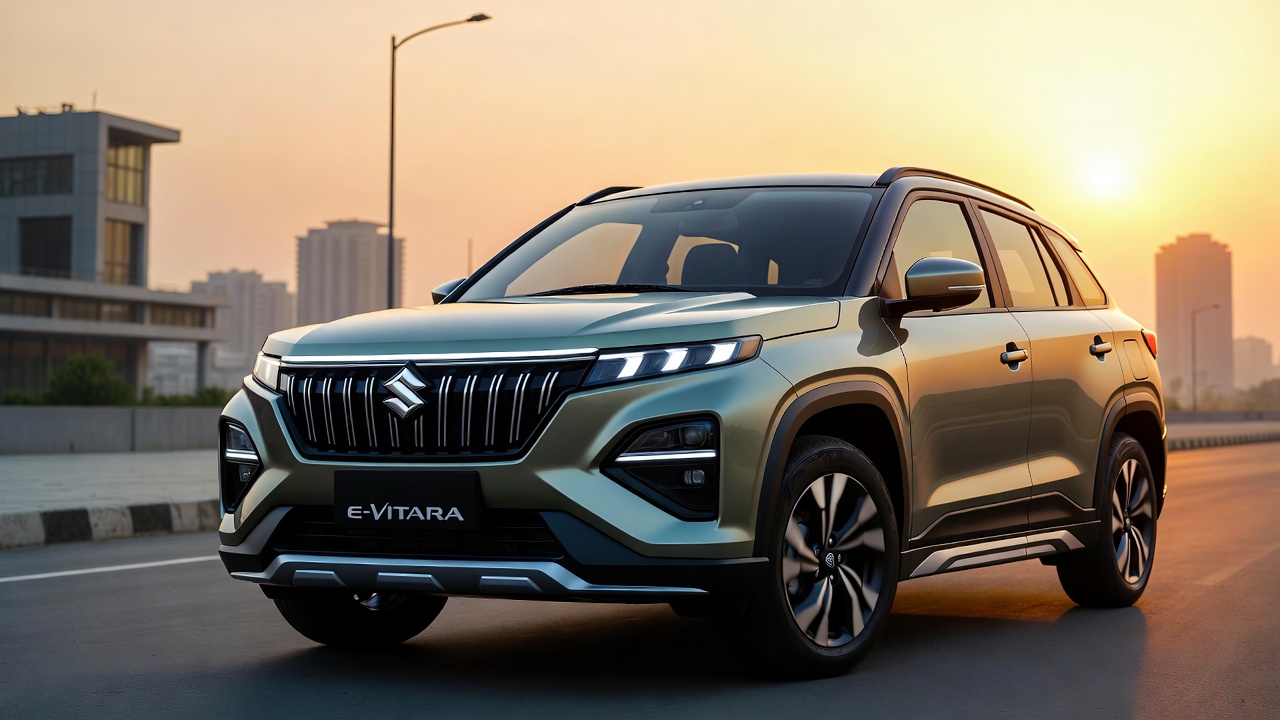
The first thing you’ll notice about the Maruti Suzuki e-Vitara is that it doesn’t try too hard. And that’s a good thing.
It looks modern without being overdramatic.
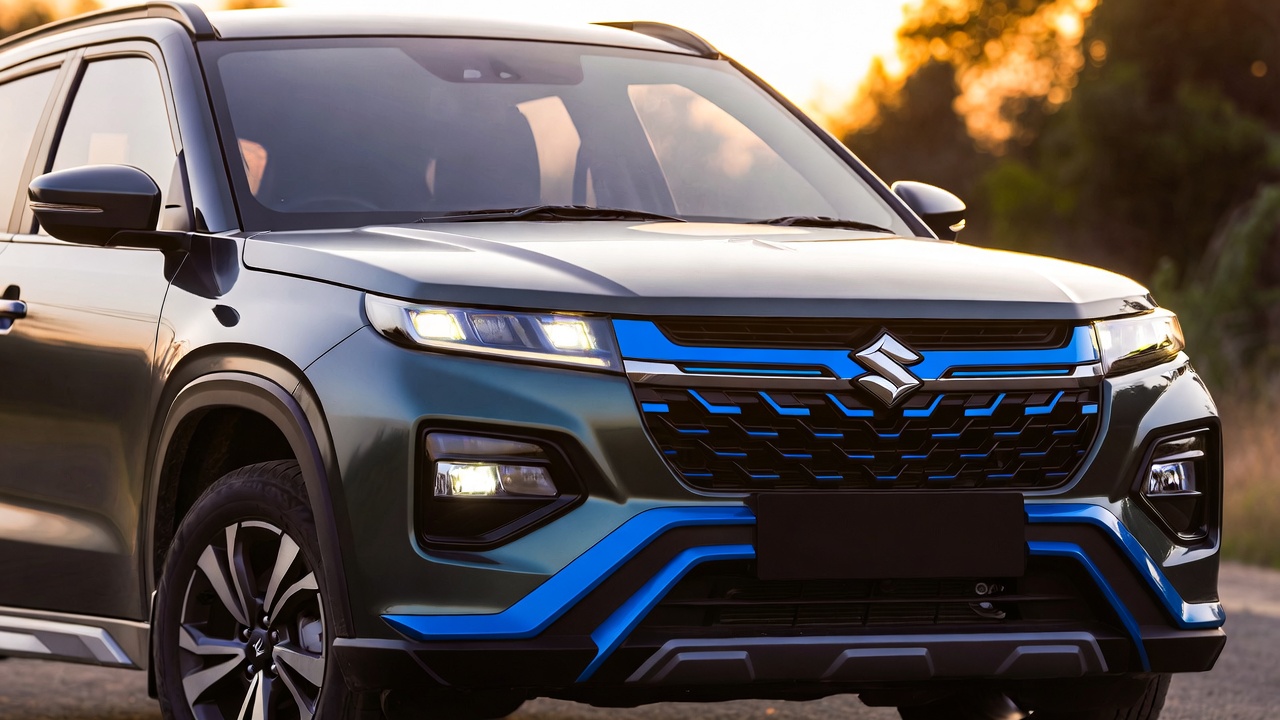
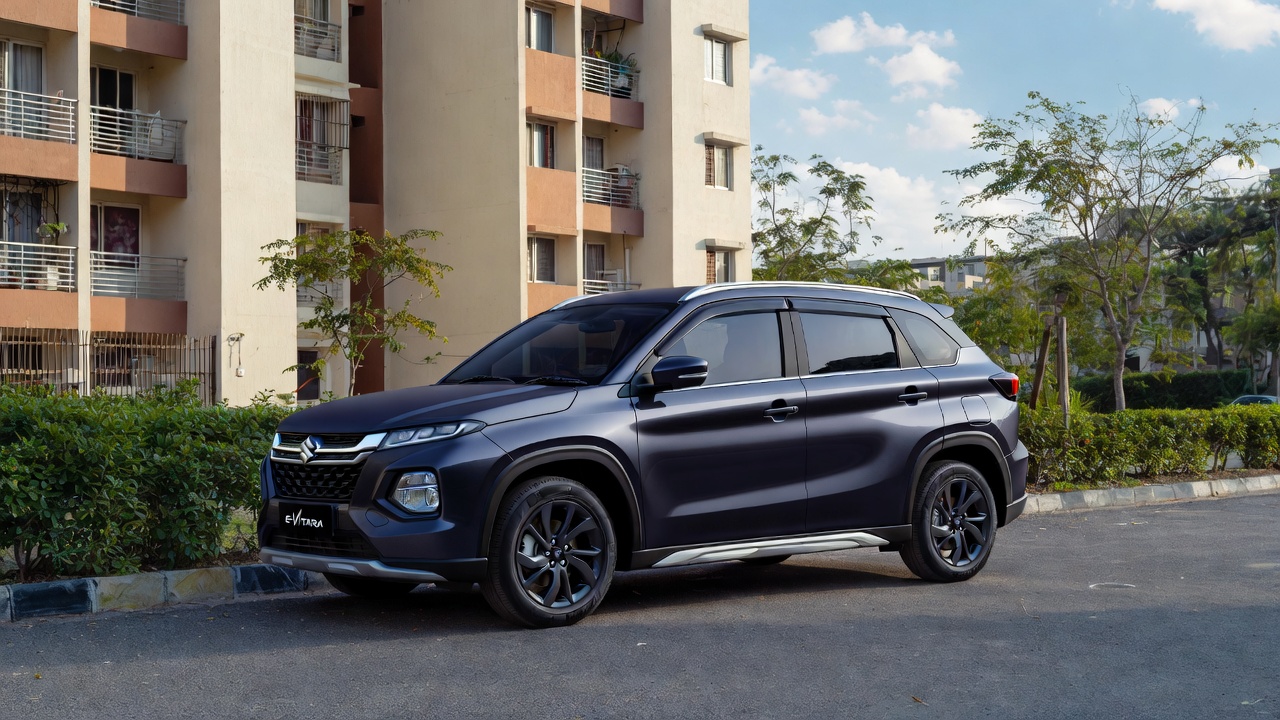
Bold Front Profile
Up front, you get:
- Sleek LED headlamps
- A closed-off EV grille
- A muscular bumper design
- Subtle blue accents hinting at its electric identity
The stance is wide and confident. Unlike many EVs that look experimental, the e-Vitara feels grounded. It still looks like an SUV — something Indian buyers love.
Side Profile: Strong and Practical
From the side, the proportions feel right:
- High ground clearance
- Strong shoulder lines
- Aerodynamic alloy wheels
- Black cladding for rugged appeal
It doesn’t scream “I’m electric.” Instead, it says, “I’m smart.”
Rear Design
The rear gets connected LED tail lamps and a clean tailgate design. It’s minimal yet modern — and definitely more premium than what we’re used to from Maruti.
You can expect dual-tone color options and signature EV shades that make it stand out in traffic.
Interior & Features: Premium Cabin Experience in Maruti Suzuki e-Vitara
Let’s be honest. Maruti interiors in the past have focused more on practicality than luxury.
The Maruti Suzuki e-Vitara changes that narrative.
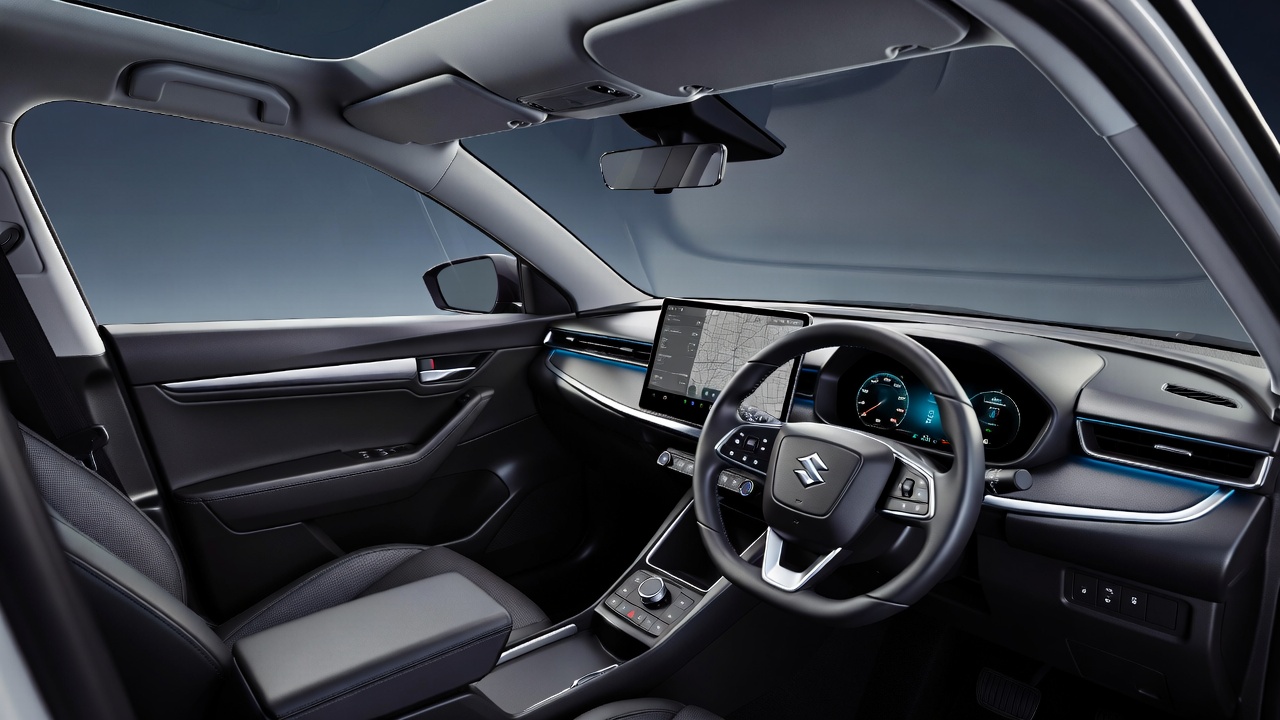
The cabin feels fresh, contemporary, and thoughtfully designed.
Cabin Layout
- Dual-screen setup (instrument cluster + infotainment)
- Soft-touch materials on key touchpoints
- Ambient lighting
- Minimalist dashboard design
The design philosophy feels more global than local.
Space & Comfort
This is where the e-Vitara shines.
- Generous legroom
- Flat floor thanks to EV platform
- Comfortable rear seat angle
- Large boot space
The absence of a traditional transmission tunnel makes rear-seat comfort significantly better.
Long family drives? Completely manageable.
Engine & Performance: Electric Power and Instant Torque
Electric performance isn’t about loud exhaust notes or gear shifts.
It’s about instant response.
The Maruti Suzuki e-Vitara is built on a dedicated electric platform, meaning the architecture was designed around batteries and motors from day one. That changes everything — from balance to cabin space to driving dynamics.
Instant Torque Delivery
The moment you press the accelerator, the SUV moves.
No lag.
No gear shifts.
No engine noise.
That instant torque makes city driving incredibly effortless. Quick overtakes feel easy. Traffic gaps become manageable. You glide rather than drive.
Powertrain Options
Globally, the e-Vitara is expected to offer:
- Multiple battery pack options
- Single motor (FWD)
- Possible dual motor (AWD) variant
- Strong mid-range acceleration
For Indian conditions, tuning will likely prioritize:
- Efficiency over aggressive performance
- Smooth throttle response
- Controlled regenerative braking
This isn’t a sports EV. It’s a practical performance machine built for real roads.
Ride & Handling
- Lower center of gravity
- Improved stability
- Better cornering balance
Add to that Maruti’s focus on suspension tuning for Indian roads, and you get a ride that absorbs potholes without feeling floaty.
It’s not just silent.
It’s refined.
Mileage / Range: Maruti Suzuki e-Vitara Real-World Driving Range
Let’s address the biggest concern first.
“How far will it go on a single charge?”
The Maruti Suzuki e-Vitara is expected to deliver an estimated 400–550 km range depending on battery variant and driving conditions.
But here’s what matters more than the number:
Real-world usability.
Practical Daily Usage
For most Indian drivers:
- Daily commute: 25–50 km
- Weekly driving: 250–350 km
That means you could easily go several days without charging.
Highway Performance
- Expect slightly lower range at higher speeds
- Regenerative braking improves city efficiency
- Eco modes extend usable distance
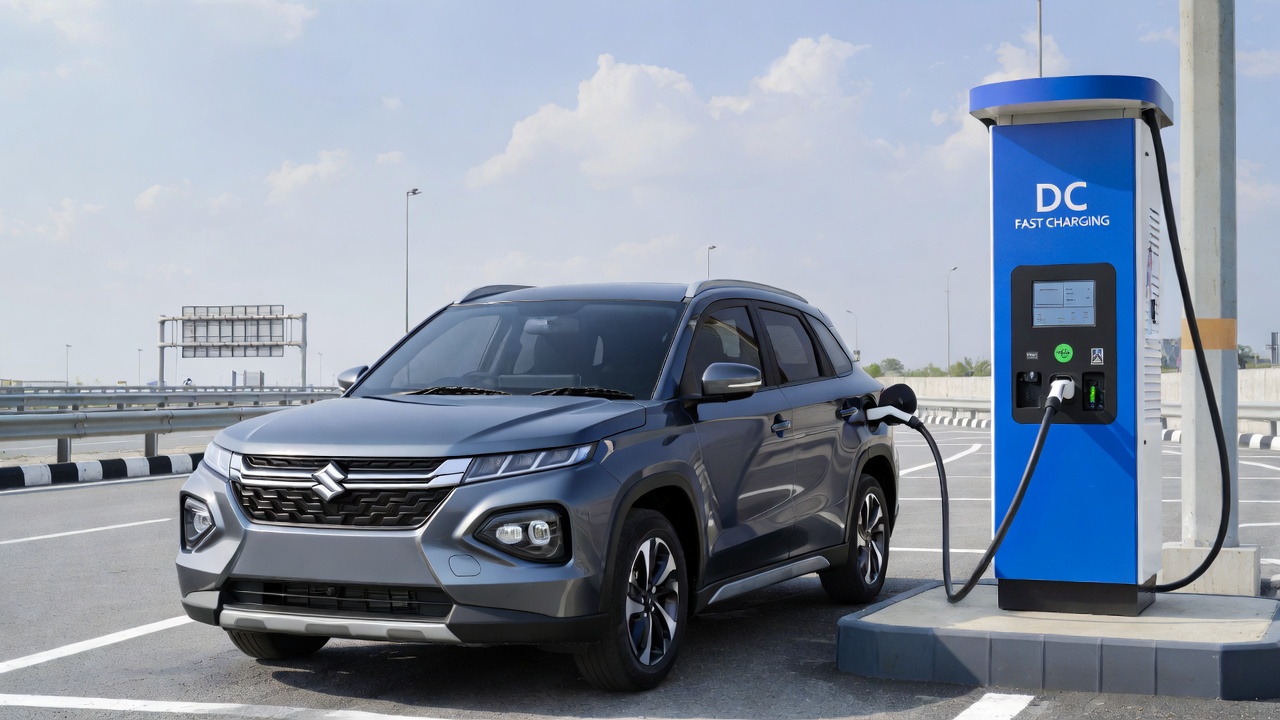
Charging Capabilities
- DC fast charging (10–80% in under an hour)
- AC home charging overnight
Home charging will remain the most convenient solution.
Range anxiety is real — but with growing infrastructure and practical range figures, the e-Vitara feels ready for everyday India.
Variants & Pricing: Maruti Suzuki e-Vitara Price Strategy
Pricing will define the success of the Maruti Suzuki e-Vitara.
Maruti understands Indian buyers deeply. They know that even ₹50,000 difference can influence decisions.
Expected pricing range:
₹18 lakh to ₹25 lakh (ex-showroom, estimated)
Likely Variant Strategy
- Base Variant: Standard battery, essential features
- Mid Variant: Extended range, enhanced tech
- Top Variant: Premium features, ADAS, possibly AWD
Maruti could also introduce subscription or battery warranty programs to reduce buyer hesitation.
If priced aggressively, the e-Vitara could become the most accessible long-range electric SUV in its class.
Safety Features: Advanced Safety in Maruti Suzuki e-Vitara
Safety conversations in India have evolved rapidly.
Buyers now actively ask about crash ratings and structural strength.
The Maruti Suzuki e-Vitara is expected to feature:
- 6 airbags
- Electronic Stability Control
- ABS with EBD
- Hill hold assist
- 360-degree camera
- ADAS features (lane assist, adaptive cruise control in higher variants)
- Stronger global platform structure
If the SUV achieves a strong crash rating, it could completely change perception around Maruti’s safety reputation.
That alone could be a major milestone.
Technology & Infotainment: Connected Features in e-Vitara EV
Today’s SUV buyers expect more than just transportation.
They expect connectivity.
The Maruti Suzuki e-Vitara is expected to offer:
- Large floating touchscreen
- Fully digital instrument cluster
- Wireless Apple CarPlay & Android Auto
- Connected car tech
- Remote charging monitoring
- OTA updates
- Navigation with charging station mapping
Imagine checking battery percentage from your phone.
Imagine pre-cooling the cabin before stepping inside.
That’s modern EV ownership.
The digital experience is no longer optional — it’s essential.
Competitors Comparison: Maruti Suzuki e-Vitara vs Electric SUV Rivals
The electric SUV segment in India is heating up fast.
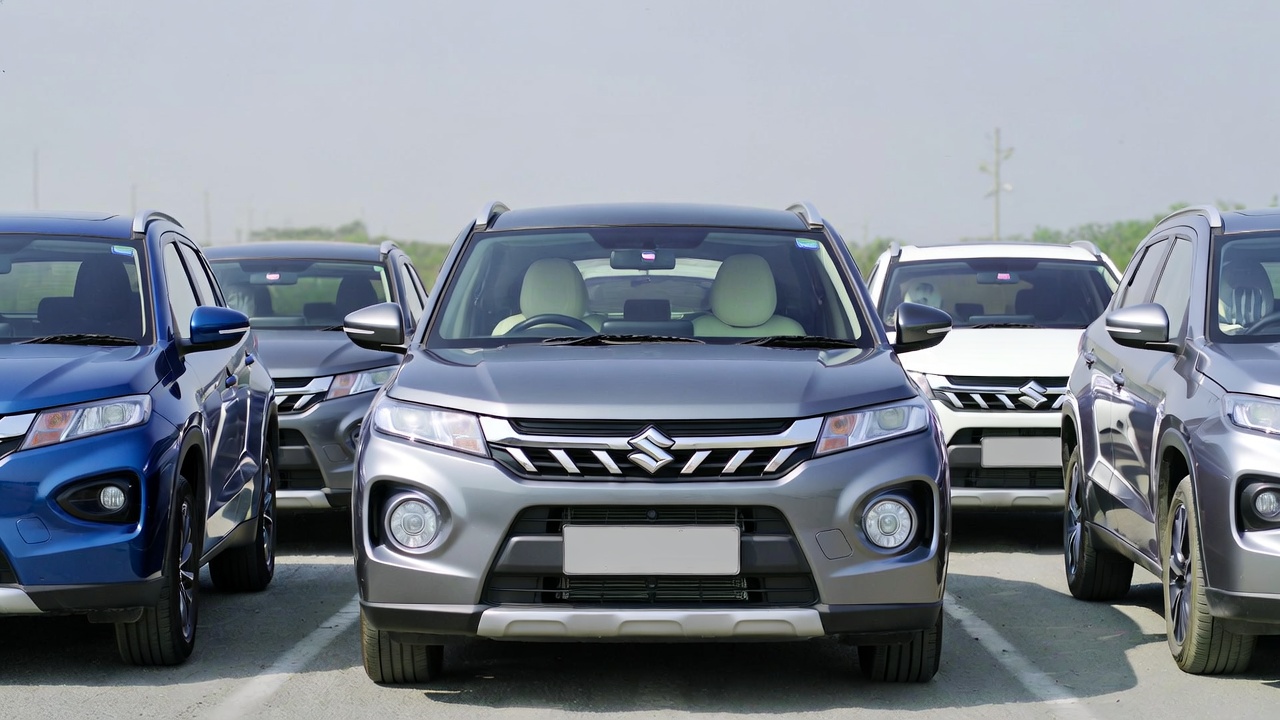
The Maruti Suzuki e-Vitara will compete against:
Where e-Vitara Could Win
- Largest dealership network
- Strong resale trust
- Wide rural & tier-2 reach
- Competitive servicing costs
Where Rivals Have Advantage
- Early EV experience
- Existing charging ecosystem partnerships
- Proven real-world data
However, when Maruti enters a segment seriously, scale becomes its biggest weapon.
That’s something competitors must watch closely.
Pros & Cons of Maruti Suzuki e-Vitara
Pros
- Strong brand trust
- Practical driving range
- Spacious interior
- Modern tech features
- Extensive service network
Cons
- Pricing sensitivity in EV segment
- First dedicated EV from Maruti (initial skepticism)
- Charging infrastructure still growing in India
Real-World Driving Experience: Maruti Suzuki e-Vitara on Indian Roads
Let’s imagine a week with the Maruti Suzuki e-Vitara.
Monday morning.
You unplug it from home charging. Full battery. No fuel station visit. No petrol smell.
City traffic feels calmer because the cabin is silent.
Regenerative braking helps in bumper-to-bumper traffic.
Mid-week, you realize something interesting — you haven’t thought about fuel at all.
Weekend highway trip?
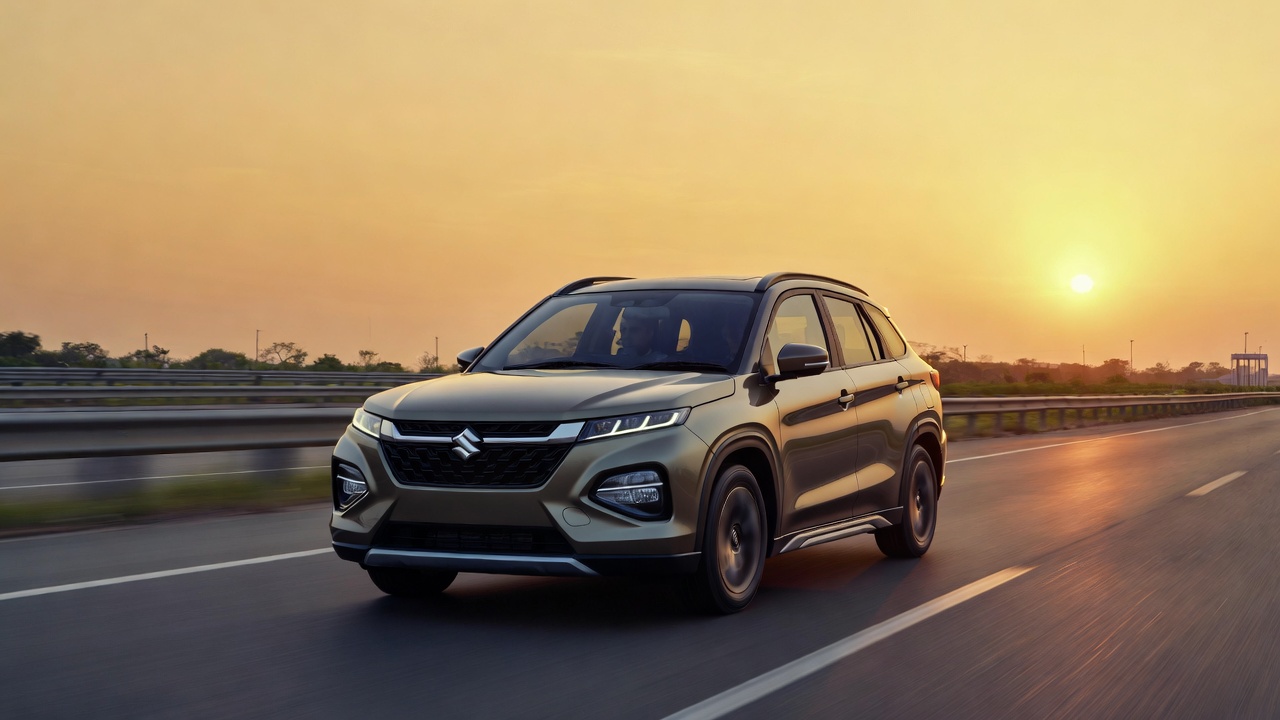
Cruise control on. Smooth acceleration. Stable at triple-digit speeds. No vibrations.
And the best part?
The silence changes your relationship with driving.
It feels premium. Relaxed. Clean.
After a few days, you stop missing petrol engines.
Who Should Buy the Maruti Suzuki e-Vitara Electric SUV?
This SUV isn’t for everyone.
But it’s perfect for many.
You should consider it if you:
- Drive mostly within city limits
- Have access to home charging
- Want lower long-term running costs
- Prefer silent and smooth driving
- Trust Maruti’s service network
- Want to shift toward sustainable mobility
It may not suit you if:
- You frequently travel to remote areas without charging access
- You rely heavily on rural highway travel
- You’re uncomfortable with EV infrastructure growth phase
For urban families and professionals, this could be an ideal transition vehicle.
Ownership & Running Cost Advantage of Maruti Suzuki e-Vitara
One of the strongest arguments for the Maruti Suzuki e-Vitara is ownership economics.
Lower Running Cost
Electric cost per km is significantly lower than petrol.
Charging at home is cheaper than refueling.
Reduced Maintenance
No engine oil.
No clutch.
Fewer moving parts.
That means fewer breakdown risks and lower maintenance bills.
Battery Warranty Confidence
Maruti is expected to offer long-term battery warranties, improving trust.
Resale Factor
Maruti vehicles traditionally enjoy strong resale value. If EV adoption grows rapidly, resale confidence will rise too.
Long term, this SUV isn’t just about sustainability.
It’s about smart financial sense.
Internal Reading Suggestions
If you’re exploring electric SUVs, you can also read our article on:
- Tata Nexon EV detailed ownership review
- Mahindra XUV400 real-world range test
- MG ZS EV long-term user experience
These comparisons will help you make a well-informed decision.
Conclusion : A Bold Electric Move That Could Change the Game
The Maruti Suzuki e-Vitara is an important car for India — not just for Maruti.
For many people, buying an electric vehicle still feels like a big decision. Questions about charging, battery life, resale value, and long-term reliability are very common. And honestly, those concerns are valid.
That’s where the e-Vitara becomes interesting.
Maruti Suzuki is a brand that Indian families already trust. From small towns to big cities, their service network is everywhere. Spare parts are easily available. Maintenance is usually affordable. When a company with that kind of reach launches an electric SUV, it automatically makes EV ownership feel less risky.
The e-Vitara is not trying to be a flashy or overly futuristic car. It focuses on practicality — good range, comfortable space, modern features, and lower running costs. For daily office travel, school drops, grocery runs, and even weekend highway trips, it should comfortably handle most needs.
If the real-world range stays close to the expected 400–500 km, most urban users won’t need to charge it every day. Home charging overnight will be enough for regular usage. That alone makes life much simpler compared to frequent petrol station visits.
Another big advantage is running cost. Electricity is cheaper than petrol per kilometer. EVs also have fewer moving parts, which usually means lower maintenance in the long run. Over a few years, this can make a noticeable difference in total ownership cost.
However, it’s also important to be realistic. Charging infrastructure in some rural or remote areas is still growing. If someone regularly travels to places without charging stations, planning will be necessary. EV ownership requires a slightly different mindset compared to petrol cars.
But for city-based buyers, young professionals, small families, and people who want a cleaner and quieter driving experience, the e-Vitara makes a lot of sense.
In simple terms, the Maruti Suzuki e-Vitara could become the SUV that makes electric vehicles feel normal and practical for everyday Indian families — not just early adopters.
If Maruti gets the pricing right and delivers strong safety and reliability, this could easily become one of the most sensible electric SUV options in India.
For anyone thinking about shifting to electric in the next few years, this is definitely a car worth waiting for and test-driving.
Frequently Asked Questions For Maruti Suzuki e-Vitara
1. What is the expected launch date of Maruti Suzuki e-Vitara in India?
Ans. The e-Vitara is expected to launch in India in 2026, though official confirmation may vary by region.
2. What is the real-world range of Maruti Suzuki e-Vitara?
Ans. Real-world range is expected between 400–500 km depending on driving style and conditions.
3. Does Maruti Suzuki e-Vitara support fast charging?
Ans. Yes, DC fast charging capability is expected for quick battery top-ups.
4. Is Maruti Suzuki e-Vitara suitable for highway driving?
Ans. Yes, with its stable platform and adequate range, it is well-suited for highway trips with planned charging stops.
5. Will the e-Vitara have AWD option in India?
Ans. An AWD variant may be introduced depending on demand and market positioning.
6. What is the battery capacity of Maruti Suzuki e-Vitara?
Ans. Exact India specifications are yet to be confirmed, but multiple battery options are expected.
7. How does e-Vitara compare with Tata Nexon EV?
Ans. The e-Vitara may offer better interior space and a wider service network, while Tata benefits from early EV experience.
8. Is the Maruti Suzuki e-Vitara safe?
Ans. It is expected to feature 6 airbags, ESC, ADAS features, and a strong global platform.
9. What is the estimated price of Maruti Suzuki e-Vitara?
Ans. It is expected to be priced between ₹18–25 lakh (ex-showroom).
10. Does the e-Vitara support home charging?
Ans. Yes, AC home charging will be supported for overnight convenience.
11. What are the maintenance costs of Maruti Suzuki e-Vitara?
Ans. Maintenance costs are expected to be lower than petrol SUVs due to fewer mechanical components.
12. Is Maruti Suzuki e-Vitara worth buying in 2026?
Ans. If priced competitively and offering strong range, it could be one of the most practical electric SUVs in India.