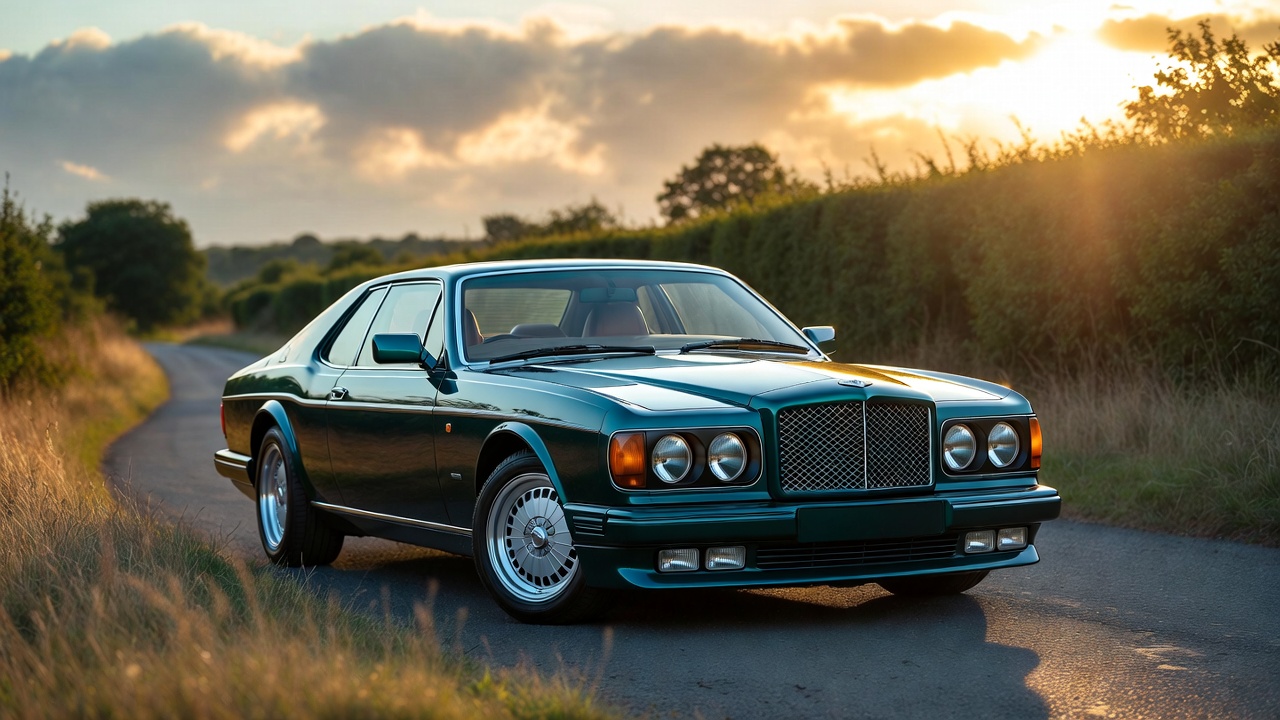
The Bentley Continental R is widely regarded as one of the most significant grand touring cars ever produced by Bentley Motors. Introduced in 1991, this luxury coupe marked a decisive shift in Bentley’s design and engineering philosophy. At a time when the brand was often associated with formal, chauffeur-driven saloons, the Continental R redefined Bentley as a manufacturer capable of delivering high-performance luxury designed primarily for the driver.
What made the Bentley Continental R especially important was the fact that it became the first Bentley model to be fully designed and developed in-house in more than three decades. Rather than sharing platforms or body designs, Bentley created a purpose-built grand tourer that combined traditional craftsmanship with modern performance engineering. This move not only strengthened the brand’s independence but also laid the groundwork for Bentley’s future identity in the luxury performance segment.
From a technical perspective, the Bentley Continental R introduced a refined version of Bentley’s legendary 6.75-liter turbocharged V8 engine, an engine known for its exceptional torque, mechanical durability, and smooth power delivery. Instead of focusing on aggressive sports car behavior, Bentley engineered the Continental R to excel at long-distance, high-speed touring, reinforcing the true meaning of a grand tourer.
Today, the Bentley Continental R is increasingly recognized as a modern classic, valued not only for its design and performance but also for its historical importance in Bentley’s evolution. Understanding this model provides valuable insight into how Bentley transitioned from a heritage luxury marque into a globally respected performance luxury brand—making the Continental R far more than just a beautiful coupe.
Bentley Continental R: A Quick Overview and Specifications
Before diving deep, let’s set the foundation.
- Manufacturer: Bentley Motors
- Production Years: 1991–2003
- Body Style: 2-door luxury grand tourer coupe
- Engine: Turbocharged 6.75-liter V8
- Layout: Front-engine, rear-wheel drive
- Assembly: Hand-built in Crewe
The Bentley Continental R was the first Bentley designed entirely in-house since the 1950s, making it historically significant even before considering its performance or luxury. It wasn’t simply another model in the lineup—it was a declaration that Bentley was ready to redefine itself as a performance-focused luxury brand rather than living in the shadow of its corporate sibling.
When it launched in 1991, the Continental R was also the most expensive production car in the world. That price reflected not only exclusivity but also the immense amount of craftsmanship and engineering invested in each example.
The Birth of the Bentley Continental R
A Turning Point for Bentley Performance Luxury
In the late 1980s, Bentley faced an identity challenge. The brand was respected but often overshadowed by Rolls-Royce Motors. Many Bentley models were essentially rebadged Rolls-Royces with subtle performance tweaks.
Bentley needed a car that felt bold, modern, and unmistakably Bentley.
The answer arrived in 1991.
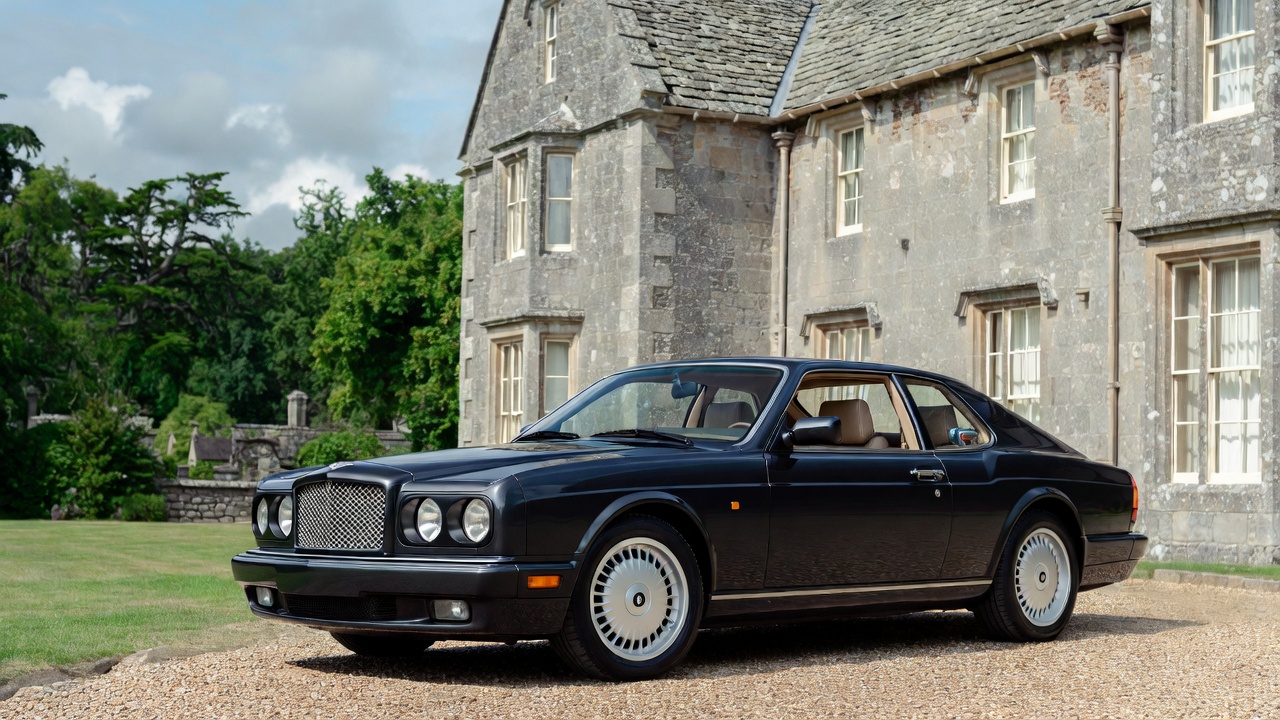
The Bentley Continental R debuted as a powerful, wide-bodied coupe with a commanding road presence. Unlike anything Bentley had built in decades, it signaled a new era—one focused on driver engagement without sacrificing luxury. It showed the world that Bentley could build a car that owners would want to drive themselves rather than sit in the back of.
This shift laid the foundation for Bentley’s later performance-oriented success under the ownership of Volkswagen Group, which acquired Bentley in 1998.
Why “R” Matters in Bentley Continental R
The “R” in Continental R stood for Roadholding, emphasizing that this wasn’t just a chauffeur-driven luxury car. It was meant to be driven—and driven hard—on long roads, autobahns, and sweeping highways.
That single letter represented a philosophy shift. Bentley wanted to remind the world of its racing heritage and performance credibility, blending that legacy with unmatched comfort.
The emphasis on “Roadholding” was not just marketing language—it reflected genuine engineering focus. The Continental R featured revised suspension geometry and tuning designed to provide improved grip and stability at high speeds. For a car of its size and weight, this commitment to handling precision was a bold statement.
The “R” also distinguished the model from previous Continental-badged Bentleys, signaling that this was not simply a continuation of tradition but an evolution. It marked the beginning of Bentley’s modern performance chapter, eventually leading to later high-performance grand tourers like the Bentley Continental GT.

Exterior Design: Timeless, Muscular, and Elegant Luxury Coupe
A Shape That Commands Respect
The Bentley Continental R is large—there’s no hiding that. But its proportions are so carefully balanced that it never feels bulky. Instead, it looks authoritative and graceful.
Key design highlights include:
- Long, sculpted hood
- Broad shoulders and wide stance
- Frameless doors for a sleek coupe look
- Signature Bentley matrix grille
- Minimal overhangs for a planted appearance
Even today, the Continental R doesn’t look dated. It looks classic, which is exactly what Bentley intended. The design avoids unnecessary lines or trendy details. Instead, it relies on proportion, stance, and surface quality to create presence.
Its wide rear track and subtle flared arches give it a muscular character rarely seen in luxury coupes of its era.
Hand-Formed Body Panels and Coach built Craftsmanship
One of the most impressive facts about the Bentley Continental R is that its body panels were hand-formed, not stamped like mass-produced cars. Skilled craftsmen shaped the aluminum panels individually, ensuring exceptional fit and finish.
This level of craftsmanship is rare even among luxury vehicles. It also means no two Continental R models are exactly identical—each carries subtle differences that reflect its handcrafted origins.
Unlike modern automotive production lines that rely heavily on robotic stamping and automated assembly, the Continental R was built using traditional coachbuilding techniques at Crewe. Craftsmen carefully shaped and finished each panel by hand, a process that required significant time and expertise.
Hand-forming panels also meant Bentley could maintain tighter control over quality. Imperfections were corrected manually rather than passing through automated inspection. This dedication to detail contributed to the Continental R’s reputation for exceptional build integrity.
Interior: Where Craftsmanship Takes Center Stage
Traditional Bentley Luxury Interior
Step inside a Bentley Continental R, and you immediately understand what “handcrafted” truly means.
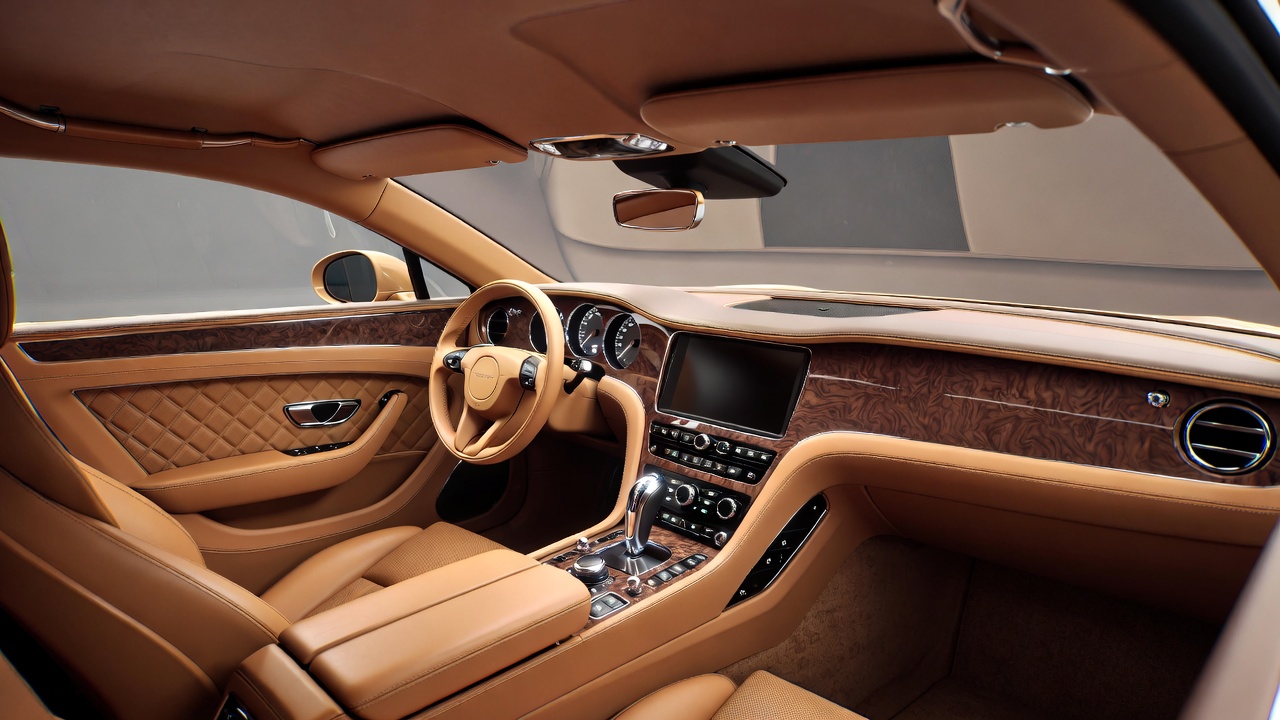
The cabin features:
- Thick, book-matched walnut veneer
- Hand-stitched Connolly leather upholstery
- Deep, supportive seats designed for long journeys
- Chrome and metal switchgear with satisfying tactile feedback
Nothing feels rushed or cheap. Every surface is designed to age gracefully. The wood veneers are polished to a mirror finish, and the leather develops a rich patina over time rather than wearing out.
Unlike modern cars dominated by screens, the Continental R interior feels warm, mechanical, and authentic.
Comfort Meets Functionality in a Grand Tourer
While luxury is the focus, the Continental R is also practical for a grand tourer:
- Comfortable seating for two adults (rear seats are best for short trips)
- Large trunk for luggage
- Excellent sound insulation
- Smooth ride even at high speeds
The suspension tuning prioritizes long-distance comfort. Even on imperfect roads, the car glides rather than jolts. Road noise is minimal, allowing effortless conversation at motorway speeds.
This balance is what defines a true grand touring car.
Engine and Performance: Effortless Power and 6.75L V8
The Legendary 6.75-Liter V8
At the heart of the Bentley Continental R lies a turbocharged 6.75-liter V8, an engine with deep roots in Bentley history dating back to the 1950s.
Depending on the year, output ranged from:
- 325 hp (early models)
- Up to 420 hp in later versions
But numbers don’t tell the whole story.
The engine is paired with a smooth automatic transmission that emphasizes seamless power delivery rather than aggressive gear changes
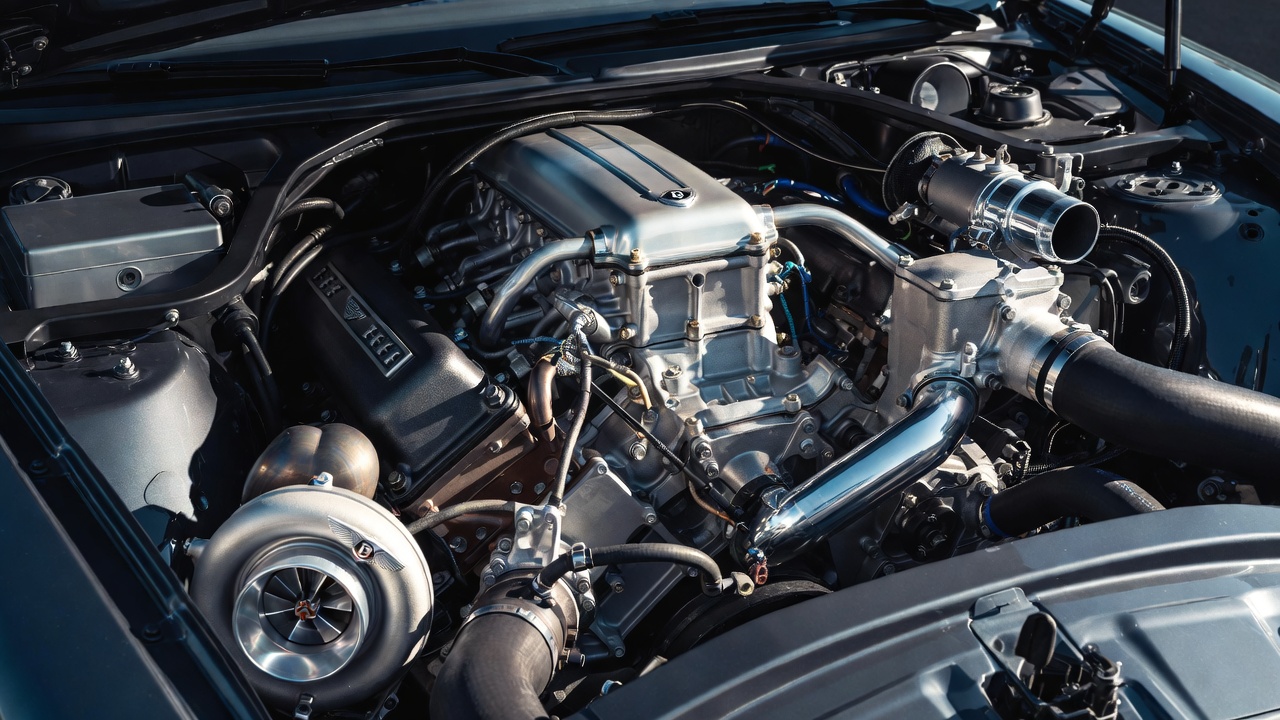
Torque Is the Real Star
What truly defines the Bentley Continental R is torque. Massive, effortless torque available at low RPMs allows the car to surge forward without drama.
- Smooth acceleration
- Minimal engine strain
- Ideal for long-distance cruising
You don’t need to floor the accelerator. A gentle press is enough to unleash a wave of power that moves the car forward with authority. This is not a sports car that begs to be revved—it’s a luxury GT that glides at speed
Driving Experience: Calm, Confident, Commanding Grand Tourer
How It Feels on the Road
Despite its size, the Bentley Continental R feels surprisingly composed when driven. The steering is weighted, the suspension absorbs imperfections, and the chassis feels stable even at high speeds.
Driving characteristics include:
- Stable highway cruising
- Predictable handling
- Excellent straight-line performance
- A sense of confidence rather than aggression
The car feels planted and secure, especially on open highways. It encourages relaxed yet rapid progress rather than spirited corner carving.
It’s not meant for tight racetracks. It’s meant for covering continents in comfort—just as the name suggests.
Key Variants and Improvements of the Bentley Continental R
Throughout its production run, Bentley refined the Continental R with continuous improvements:
- Improved turbocharging
- Updated suspension tuning
- More power and better ride quality
- Enhanced interior materials
Special variants such as the Continental T offered a shorter wheelbase and sportier suspension tuning, making it the most performance-focused version of the platform.

Later models are generally more refined, but early versions retain a raw charm that collectors appreciate.
Over the years, Bentley introduced several important evolutions of the Continental R platform. One of the most notable was the Continental S, which featured increased power and subtle chassis refinements aimed at enhancing high-speed stability. These updates reflected Bentley’s growing confidence in positioning the car as a true driver’s grand tourer rather than merely a luxury coupe.
The Continental T, in particular, became the most aggressive iteration of the lineup. With a shorter wheelbase, wider track, and significantly increased torque output, it delivered stronger acceleration and sharper handling characteristics. It was Bentley’s bold statement that the brand could compete with high-performance European coupes while maintaining its traditional luxury values.
Bentley Continental R vs Modern Bentley Models
How Does It Compare Today?
Compared to modern Bentleys like the Continental GT:
| Aspect | Continental R | Modern Continental GT |
|---|---|---|
| Driving Feel | Analog, mechanical | Digital, tech-heavy |
| Craftsmanship | Hand-built focus | Advanced manufacturing |
| Technology | Minimal | Extensive |
| Character | Old-school luxury | Modern performance luxury |
Comparison with Modern Continental GT
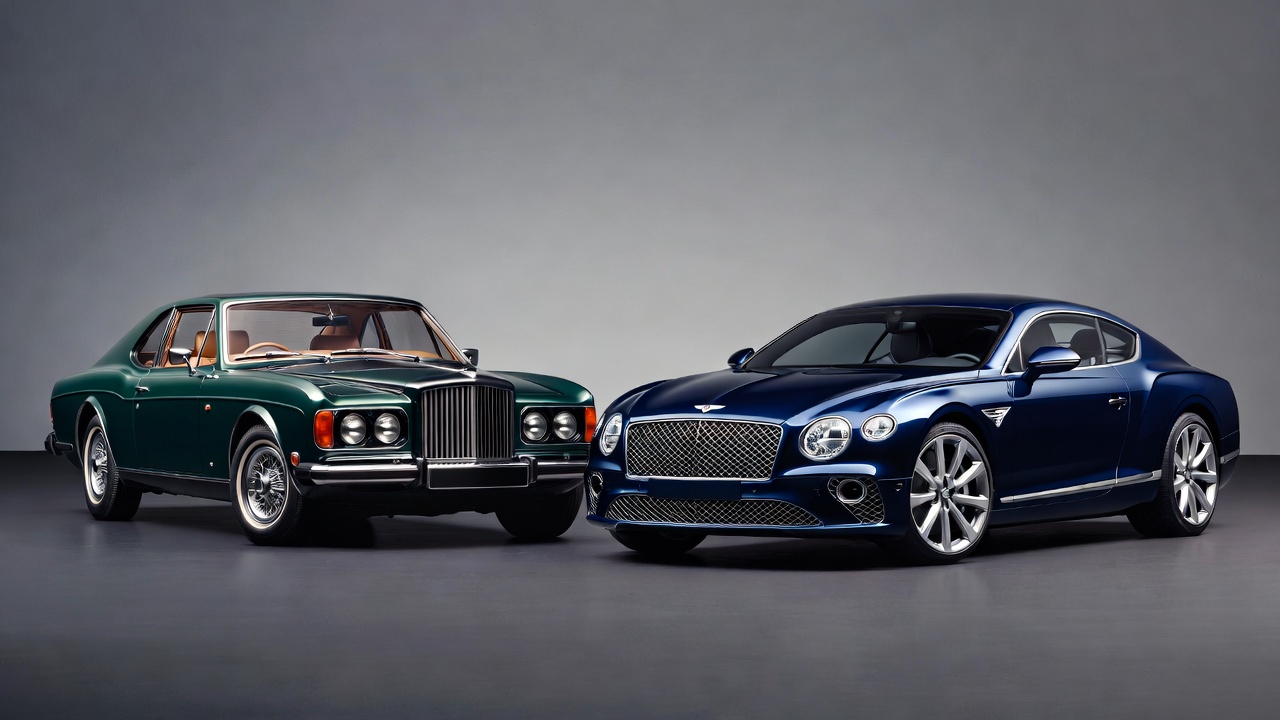
Comparing the Bentley Continental R with the modern Bentley Continental GT highlights how Bentley evolved from traditional craftsmanship to high-tech performance luxury.
Design & Presence
The Continental R carries a formal, wide, and imposing 1990s design with an upright grille and long hood. It feels stately and authoritative.
The Continental GT is sleeker, lower, and more athletic, with sharper lines and modern lighting. It looks sportier and more dynamic.
Engineering & Performance
The Continental R uses a turbocharged 6.75-liter V8 and rear-wheel drive, delivering smooth, torque-rich power ideal for long-distance cruising.
The Continental GT, developed under Volkswagen Group, offers twin-turbo V8 or W12 engines, all-wheel drive, dual-clutch transmission, and advanced chassis systems. It is significantly quicker and more performance-focused.
Interior & Driving Feel
Inside, the Continental R emphasizes analog gauges, walnut veneer, and handcrafted leather—offering a warm, mechanical feel.
The Continental GT blends craftsmanship with digital displays, infotainment systems, and driver assistance technologies. It feels more refined and technologically advanced.
Final Difference
- Continental R: Analog, exclusive, classic grand tourer
- Continental GT: Fast, tech-driven, modern luxury coupe
Both reflect Bentley’s identity—but from two different eras of philosophy and engineering.
Ownership Experience of the Bentley Continental R
Maintenance and Reliability
Owning a Bentley Continental R requires commitment.
Important points to know:
- Maintenance is expensive
- Parts availability is improving through specialists
- Regular servicing is crucial
- Well-maintained examples are reliable
Because these cars were built with durable mechanical components, a properly maintained example can provide years of dependable service. However, neglect can be costly to correct
Running Costs
Expect:
- High fuel consumption
- Premium insurance
- Specialist servicing
However, depreciation has already occurred, making it more accessible than when new. Buyers today can enter Bentley ownership at a fraction of the original purchase price—though ongoing costs remain significant.
Collectibility and Market Value
Is the Bentley Continental R a Good Investment?
The Bentley Continental R is increasingly viewed as a modern classic.
Reasons collectors value it:
- Low production numbers
- Handcrafted build quality
- Historical importance
- Timeless design
As interest in 1990s luxury performance cars grows, well-preserved examples are steadily gaining attention in the collector market. Limited editions and low-mileage cars are particularly desirable.
Why the Bentley Continental R Still Deserves Attention
The Bentley Continental R represents an era when luxury cars were built with patience, passion, and personality. It’s not about touchscreen size or driving modes—it’s about how a car makes you feel.
It revived Bentley’s sporting identity, proved that handcrafted luxury still had a place in the modern world, and laid the groundwork for today’s high-performance Bentleys.
For enthusiasts who appreciate craftsmanship, presence, and effortless power, the Bentley Continental R remains unforgettable—a true grand tourer in every sense of the word.
What truly sets the Bentley Continental R apart today is its authenticity. In a world increasingly dominated by digital dashboards, driver-assist systems, and artificial engine sounds, the Continental R offers a purely mechanical, analog experience. Every input—from steering to throttle—feels direct and unfiltered. It reminds drivers of a time when cars communicated through weight, sound, and motion rather than screens and software.
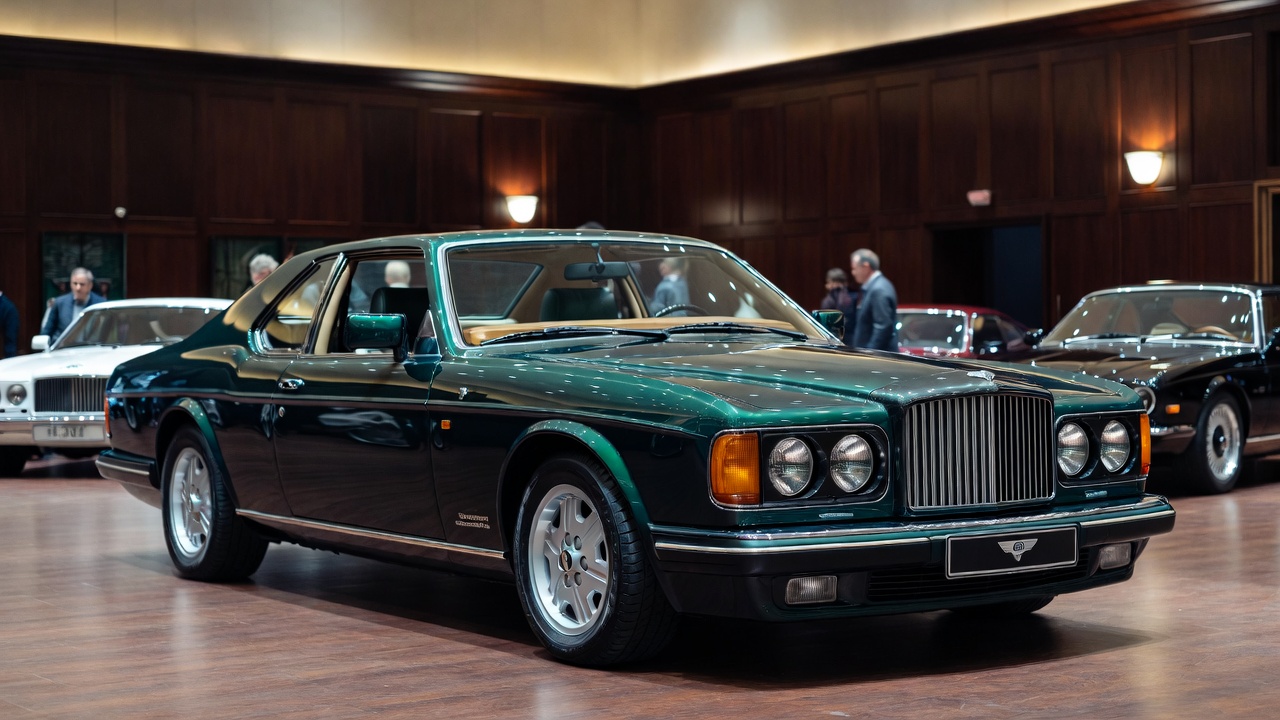
The Continental R also represents the last chapter of a specific Bentley philosophy—large-displacement engines, traditional craftsmanship, and limited automation. It bridges two eras: the classic Bentley lineage of the mid-20th century and the modern performance-driven identity shaped under the Volkswagen Group. That transitional importance alone makes it historically significant.
Conclusion : The Enduring Legacy of the Bentley Continental R
The Bentley Continental R occupies a uniquely important place in Bentley’s timeline. It was the first Bentley model developed independently after decades of platform sharing, marking a strategic shift toward brand individuality. This decision later paved the way for modern Bentley grand tourers, including today’s Continental GT lineage. In many ways, the Continental R served as the foundation for Bentley’s revival as a performance-oriented luxury brand.
Technically, the Bentley Continental R also demonstrated how traditional engineering could coexist with modern performance expectations. Its turbocharged 6.75-liter V8, refined over years of production, emphasized torque delivery and durability rather than outright speed figures. This engineering philosophy aligned perfectly with the grand touring concept—effortless high-speed cruising, mechanical longevity, and a driving experience designed for real-world distances rather than short bursts of performance.
From a craftsmanship perspective, the Continental R represents one of the last eras of truly hand-built British luxury cars. Interior components such as wood veneers, leather upholstery, and even dashboard assemblies were finished by skilled artisans rather than automated processes. This level of manual craftsmanship is increasingly rare today, even among ultra-luxury manufacturers, which significantly adds to the model’s long-term collector appeal.
In the current classic and modern-classic car market, the Bentley Continental R is gaining recognition for its low production numbers, historical significance, and understated design. Unlike trend-driven luxury cars, its styling has aged gracefully, allowing it to remain relevant decades after production ended. Well-maintained examples are now seen as heritage assets rather than depreciating luxury vehicles.
Ultimately, the Bentley Continental R is not just a luxury coupe—it is a symbol of Bentley’s transition into a new era. For enthusiasts, collectors, and luxury car historians, it stands as a reminder that true automotive excellence is built on engineering integrity, thoughtful design, and uncompromising craftsmanship. Exploring the Continental R is not just about appreciating a car, but about understanding a pivotal moment in Bentley’s history.
👉 If you enjoy learning about historically important luxury cars like the Bentley Continental R, explore our other in-depth classic car guides, share this article with fellow enthusiasts, and join the conversation in the comments below.
Frequently Asked Questions (FAQs) For Bentley Continental R
1. What is the Bentley Continental R?
Ans. The Bentley Continental R is a luxury grand touring coupe produced between 1991 and 2003.
2. Why is the Bentley Continental R special?
Ans. It was the first Bentley designed entirely in-house in decades and emphasized performance-focused luxury.
3. What engine does the Bentley Continental R use?
Ans. It features a turbocharged 6.75-liter V8 engine.
4. Is the Bentley Continental R fast?
Ans. Yes, it delivers strong acceleration thanks to massive torque, ideal for long-distance cruising.
5. How many Bentley Continental R cars were made?
Ans. Production numbers were limited, contributing to its exclusivity.
6. Is the Bentley Continental R reliable?
Ans. With proper maintenance, it can be reliable, but servicing must be done by specialists.
7. Is the Bentley Continental R expensive to maintain?
Ans. Yes, maintenance and parts costs are high compared to mainstream vehicles.
8. Can the Bentley Continental R be used daily?
Ans. It can be, but it’s better suited as a weekend or collector car.
9. Is the Bentley Continental R a collectible car?
Ans. Yes, it is increasingly recognized as a modern classic.
10. How does it compare to modern Bentley models?
Ans. It offers a more analog, traditional luxury experience compared to today’s tech-focused Bentleys.
11. What kind of buyer should consider the Bentley Continental R?
Ans. Enthusiasts who value craftsmanship, history, and timeless design.
12. Does the Bentley Continental R hold its value?
Ans. Well-maintained examples tend to hold or slowly appreciate in value.