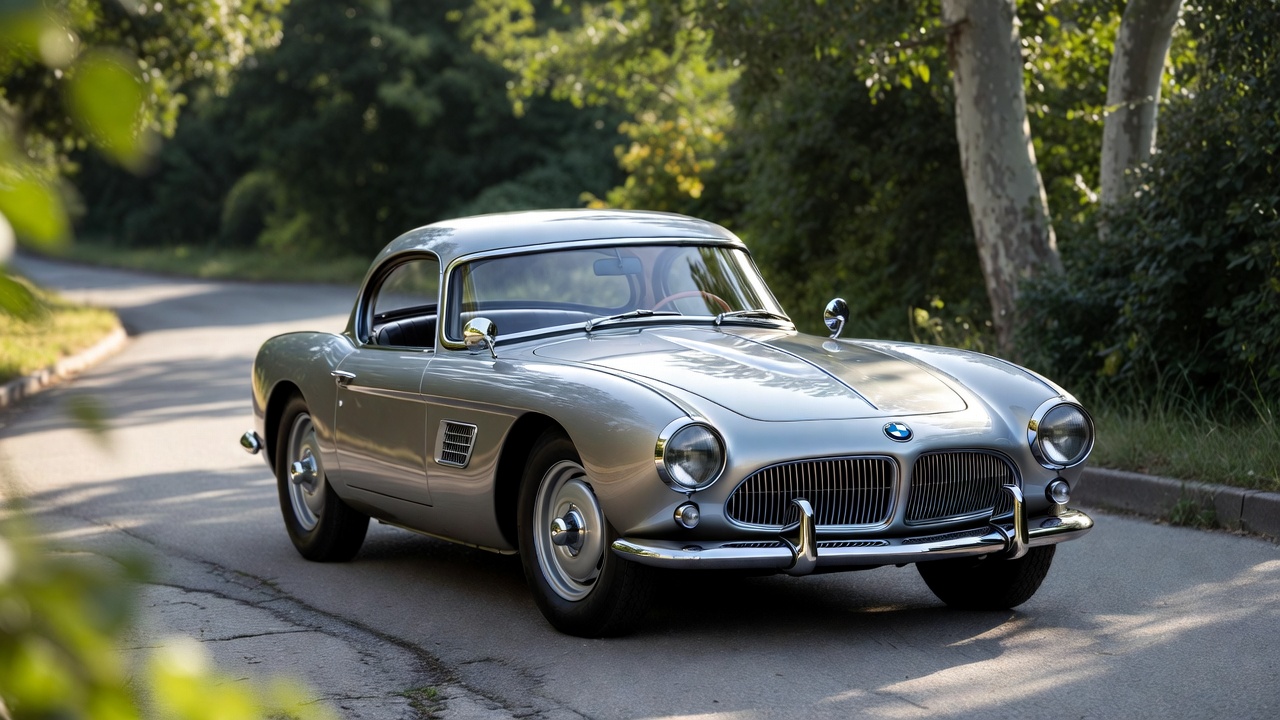
Some cars are built to travel. Others are created to make history. The BMW 507 belongs to the second category.
Widely regarded as one of the most beautiful and exclusive classic roadsters ever produced, the BMW 507 represents a turning point in automotive design and brand identity. Even decades after its production ended, this rare masterpiece continues to inspire collectors, designers, and automobile enthusiasts worldwide.
The BMW 507 was not just another luxury sports car. It symbolized elegance, engineering excellence, and bold creativity during a time when the automotive industry was evolving rapidly in post-war Europe. Today, the BMW 507 is considered one of the most valuable classic BMW cars, often sold at prestigious auctions for millions of dollars.
In this detailed guide, we will explore the fascinating history, design brilliance, performance capabilities, market challenges, and lasting cultural impact of the BMW 507. Whether you are a classic car lover, beginner automobile enthusiast, or someone curious about BMW’s heritage, this article will help you understand why the BMW 507 remains one of the most iconic roadsters ever built.
History of the BMW 507: The Birth of a Luxury Icon
BMW’s Vision in the 1950s
After World War II, BMW faced serious financial difficulties. The company had shifted from aircraft engines to motorcycles and small cars in order to survive. However, to compete globally, BMW needed a premium halo product that could elevate its brand image.
During the 1950s, European manufacturers were trying to capture the lucrative American luxury car market. BMW wanted to establish itself as a premium manufacturer capable of competing with brands like Mercedes-Benz and Jaguar.
The idea behind the BMW was ambitious — create a luxury sports roadster that combined:
- Elegant European styling
- Strong V8 performance
- Premium craftsmanship
- Exclusivity for high-end buyers
BMW aimed to design a car that would redefine its identity and attract wealthy customers, especially in the United States.
The Role of Max Hoffman
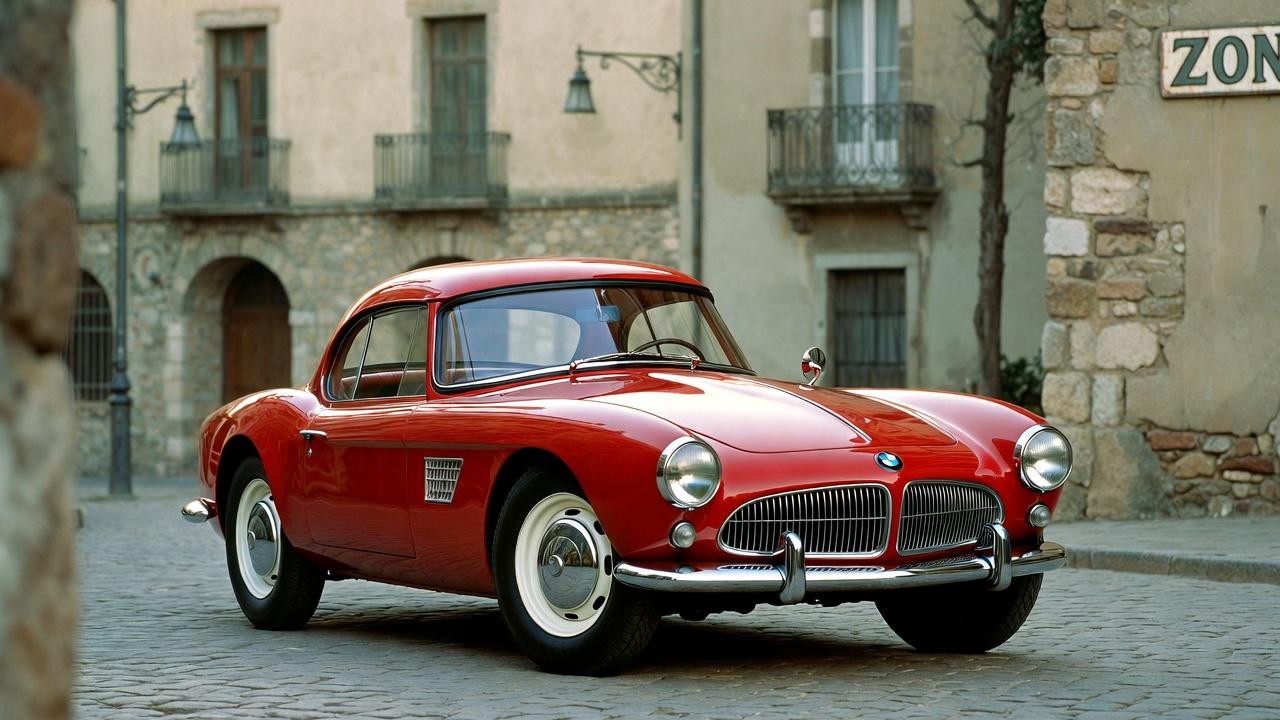
The BMW 507 would not have existed without Max Hoffman, a powerful automobile importer in the United States. Hoffman had already helped introduce European sports cars to American buyers and believed there was strong demand for stylish roadsters.
He encouraged BMW to build a luxury sports car positioned between affordable British roadsters and high-end performance icons like the Mercedes-Benz 300SL.
However, while Hoffman envisioned a relatively affordable luxury roadster, production costs spiraled out of control. The aluminum body, handcrafted assembly, and premium materials made the car far more expensive than planned. This pricing issue ultimately limited its commercial success.
Production Timeline
- Production Period: 1956 to 1959
- Total Units Produced: Approximately 252 cars
- Assembly Location: Munich, Germany
Although sales were limited, the BMW achieved something more important — it elevated BMW’s design credibility and long-term brand value.
BMW 507 Design: Timeless Beauty on Wheels
A Masterpiece by Albrecht von Goertz
The BMW 507 was designed by Albrecht von Goertz, whose artistic vision transformed the car into a rolling sculpture.
Von Goertz combined American proportions with European elegance. The result was a car that looked powerful yet graceful — sporty yet refined.
Key design characteristics included:
- Long sculpted hood
- Perfectly balanced proportions
- Wide kidney grille integrated seamlessly
- Flowing side body lines
- Low, athletic stance
Unlike many 1950s cars that featured excessive chrome and dramatic fins, the BMW embraced minimalism. Its design remains modern even by today’s standards.
Exterior Design Features
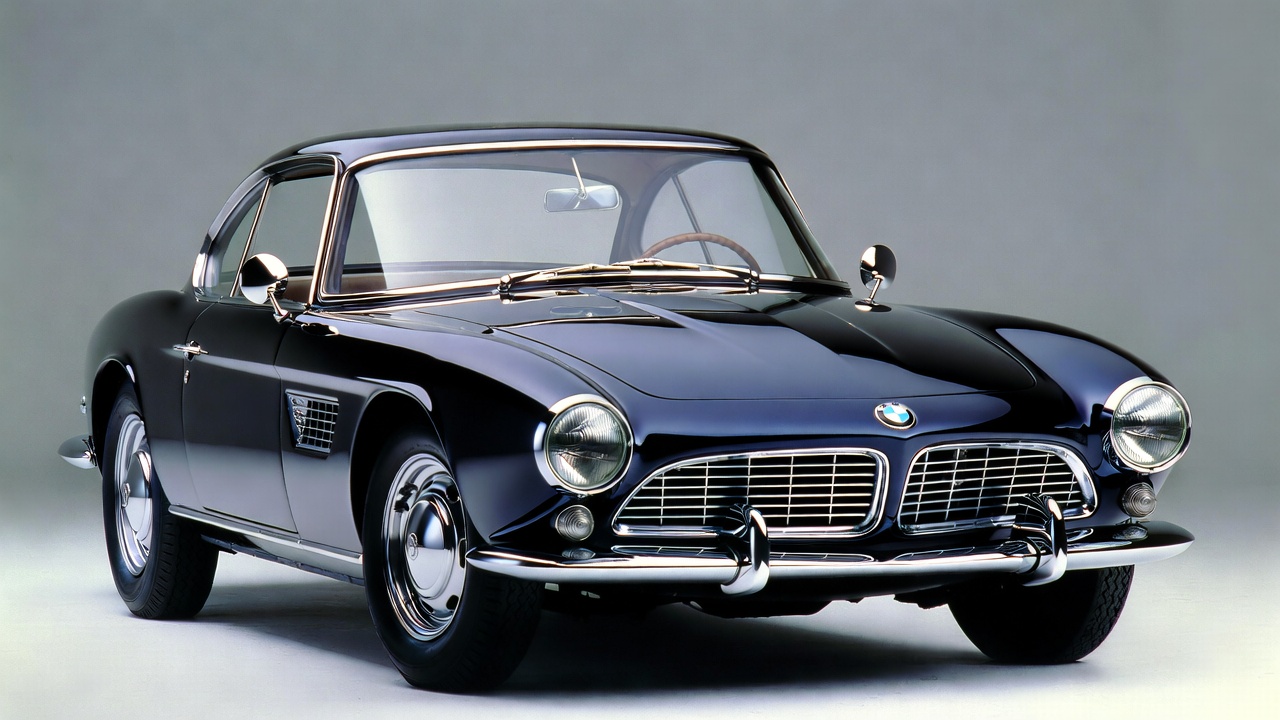
The exterior of the BMW 507 is widely considered one of the purest examples of mid-century automotive sculpture. Every curve of the body was carefully shaped to create harmony between athleticism and sophistication. Unlike many cars of its era that experimented with oversized tailfins or excessive ornamentation, the BMW embraced restraint. Its beauty came from proportion rather than decoration.
One of the most striking elements was its long, sweeping hood, which visually emphasized the powerful V8 engine beneath. The hood gently flowed into subtly flared front fenders, giving the car a muscular yet elegant stance. From the side profile, the balanced wheel arches and clean shoulder line created a sense of motion even when the car was stationary.
Highlights include:
- Signature BMW kidney grille
- Smooth, uninterrupted body panels
- Lightweight aluminum construction
- Elegant chrome bumpers and trim
- Classic open-top convertible form
The front fascia featured BMW’s iconic kidney grille, but unlike modern oversized interpretations, the 507’s grille was modest and gracefully integrated into the bodywork. It did not dominate the front — instead, it complemented the flowing design. The chrome accents were tastefully applied, highlighting key design lines without overwhelming the car’s simplicity.
At the rear, the car maintained its refined identity with smooth curves and neatly integrated tail lamps. The overall stance was low and wide, enhancing both its visual presence and road stability. The handcrafted aluminum body panels added exclusivity and reduced weight, but they also made production expensive and time-consuming.
Even today, automotive designers study the BMW as a benchmark of timeless design. Its silhouette remains instantly recognizable and continues to influence modern luxury roadsters.
Interior Luxury and Craftsmanship
The interior of the BMW 507 reflected the elegance of European grand touring culture in the 1950s. Rather than focusing purely on racing functionality, BMW designed the cabin to deliver a premium driving experience suitable for long-distance journeys.
The dashboard layout was clean, symmetrical, and painted in body color — a detail that enhanced visual continuity between exterior and interior. Chrome-ringed analog gauges provided essential information in a clear and uncluttered manner. There were no unnecessary controls, which created a calm and focused driving environment.
Interior highlights included:
- Premium leather upholstery
- Body-colored dashboard
- Clear analog gauges
- Elegant chrome accents
- Ergonomically positioned steering wheel
High-quality leather upholstery covered the seats, door panels, and interior surfaces. The craftsmanship was largely hand-finished, ensuring each car had subtle uniqueness. The seats were supportive yet comfortable, reflecting the car’s grand touring purpose rather than aggressive racing intent.
The steering wheel was thin-rimmed and elegant, offering direct mechanical feedback to the driver. The gear shifter was precisely positioned, reinforcing driver engagement. Even small details, such as the placement of switches and knobs, reflected thoughtful design.
In an era before advanced infotainment systems and digital displays, the BMW offered something far more valuable — purity. It allowed the driver to focus on the sound of the engine, the feel of the road, and the open sky above. This simplicity is one of the reasons the car remains so emotionally appealing to collectors today
Performance and Engineering of the BMW 507
Powerful 3.2-Liter V8 Engine
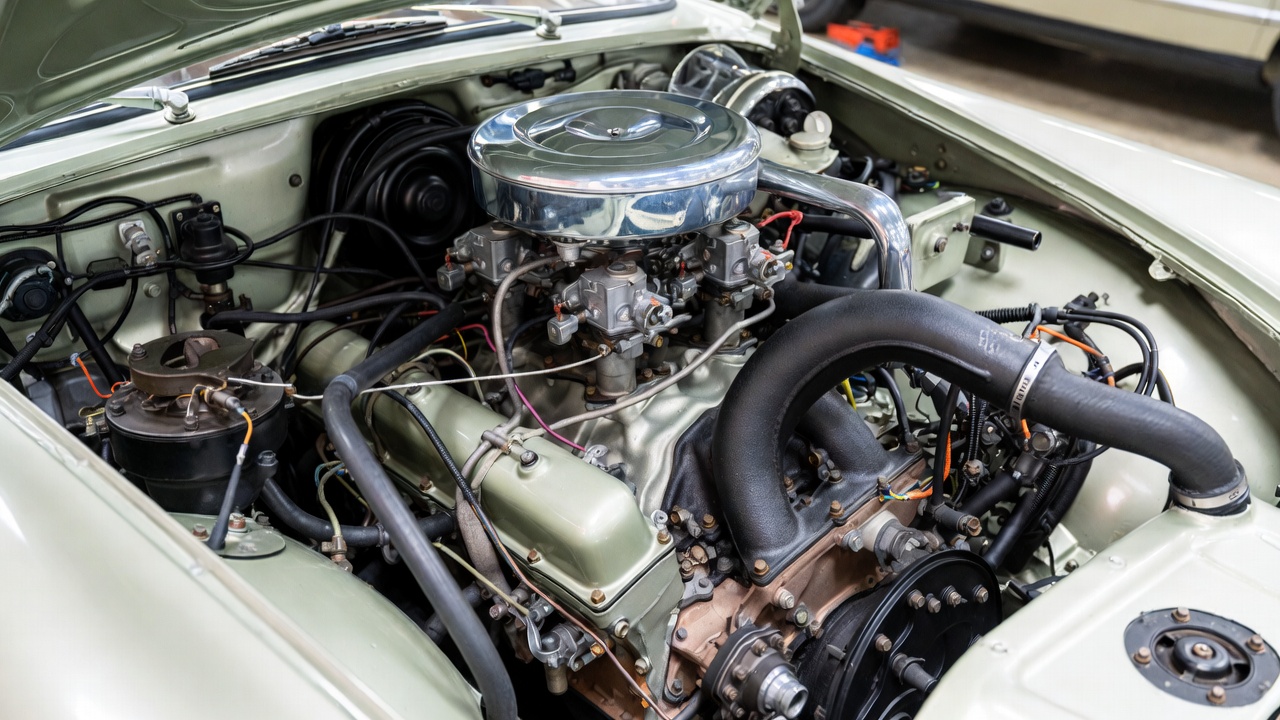
The BMW was powered by a 3.2-liter V8 engine derived from BMW’s luxury sedan platform.
Engine Specifications
- Engine Type: 3.2-liter V8
- Horsepower: Around 150 hp
- Transmission: 4-speed manual
- Top Speed: Approximately 200 km/h
- 0–100 km/h: Around 10 seconds
While these numbers may seem modest today, they were impressive for a luxury roadster in the 1950s.
Driving Experience
Driving the BMW 507 was about refined performance rather than aggressive racing dynamics. Its 3.2-liter V8 engine delivered smooth and progressive power, making acceleration feel effortless rather than dramatic.
The engine produced a deep, satisfying exhaust note that enhanced the open-top driving experience. Unlike high-revving sports cars, the 507’s V8 emphasized torque and cruising comfort. This made it ideal for scenic drives along coastal roads or high-speed touring across European highways.
The suspension system was tuned to balance comfort and handling. It absorbed road imperfections reasonably well for its time while maintaining composure through corners. Steering feedback was direct and mechanical, giving the driver a strong sense of connection to the road surface.
At highway speeds, the BMW felt stable and composed, reinforcing its grand touring character. It was not designed to dominate racetracks but to provide a luxurious and engaging open-air driving experience.
Owners often described the BMW as a car that made every journey feel special. The combination of engine sound, wind in the cabin, and elegant design created an emotional connection that few cars of its era could match.
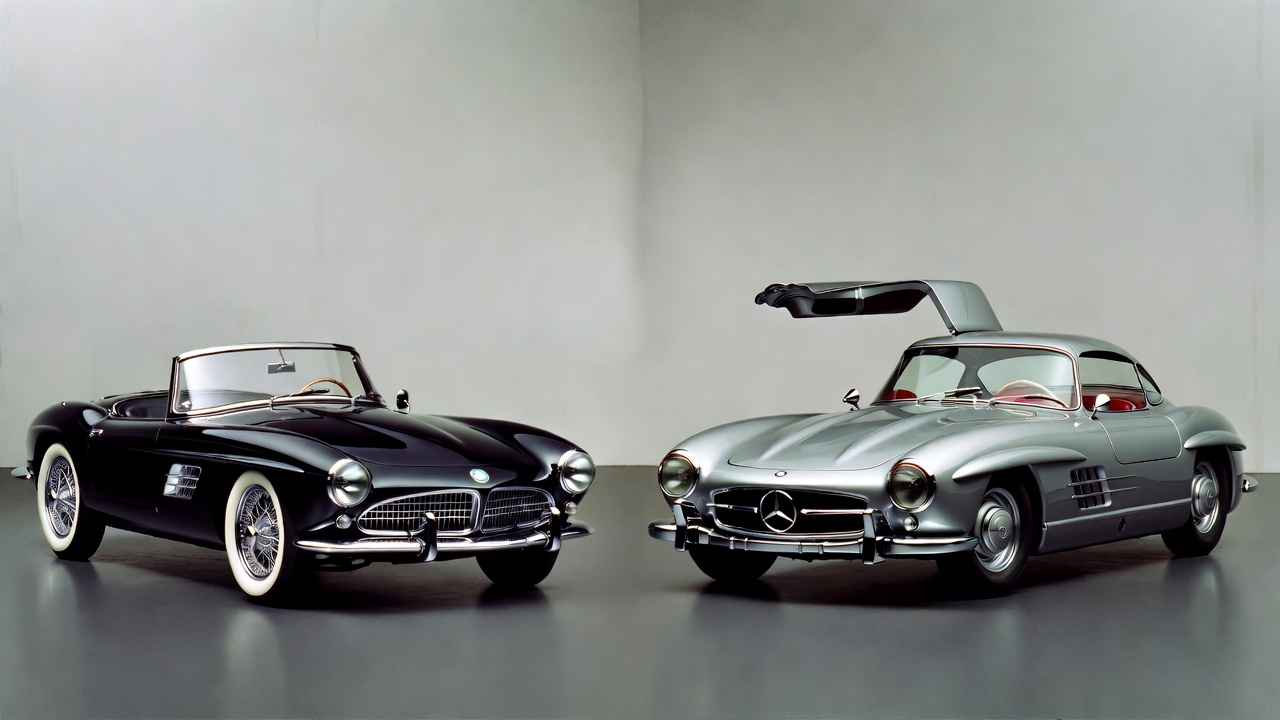
BMW 507 vs Mercedes-Benz 300SL: Classic Roadster Rivalry
The BMW 507’s primary competitor was the legendary Mercedes-Benz 300SL.
Design
- BMW : Elegant open-top luxury roadster
- 300SL: Aggressive racing-inspired coupe with iconic gullwing doors
Performance
- BMW : 150 hp V8 focused on refinement
- 300SL: 215 hp inline-6 with racing pedigree
Market Success
- BMW 507: Limited production, financial loss
- 300SL: Commercially successful and performance icon
Although the 300SL outperformed it, the BMW ultimately gained legendary status for its artistic design and rarity.
Celebrity Ownership and Cultural Influence
One major reason behind the BMW 507’s global fame is its association with celebrities.
Elvis Presley and the BMW 507
The most famous BMW owner was Elvis Presley. He purchased the car during his military service in Germany.
His ownership significantly increased the model’s global recognition. Presley’s BMW was later restored by BMW Classic and remains one of the most famous examples in existence.
Celebrity association transformed the BMW from a commercial failure into a cultural icon.
Collector Value and Modern Market Status
Rarity and Exclusivity
With only around 252 units produced, the BMW is one of the rarest production BMW models ever built.
Many examples are now housed in private collections, museums, or showcased at prestigious classic car events.
Auction Value
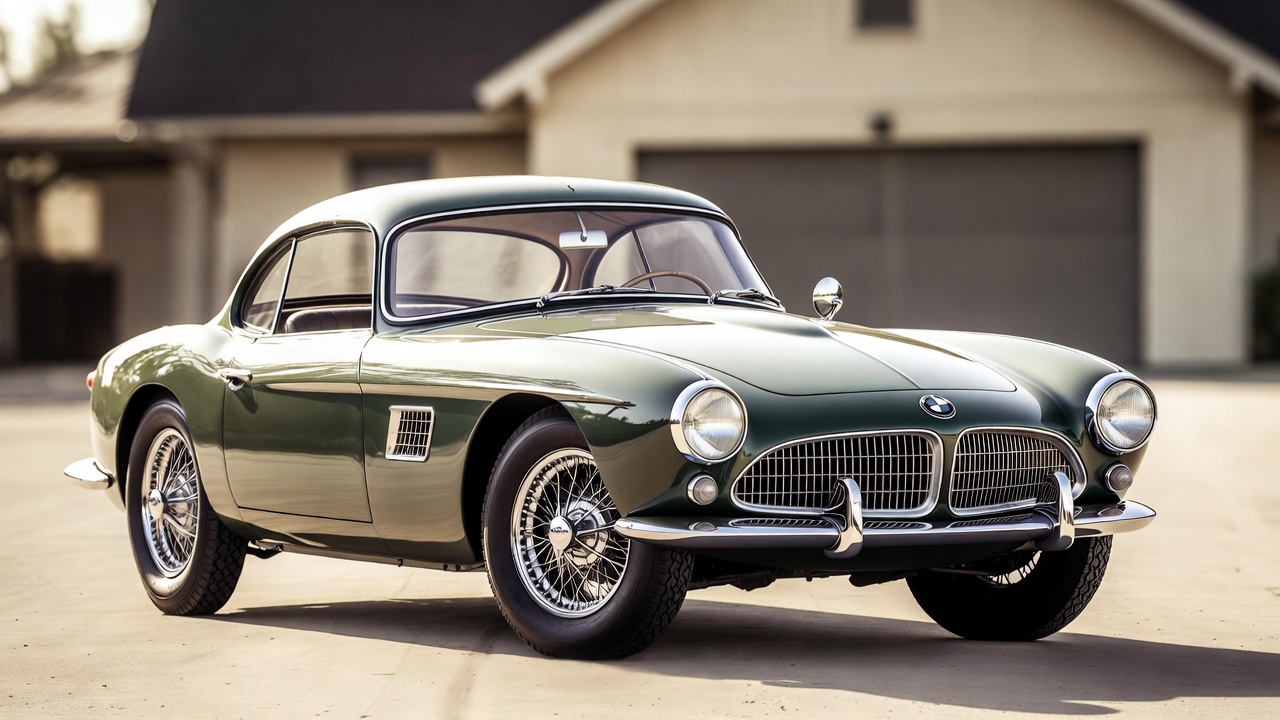
Today, restored BMW 507 models regularly sell for millions of dollars at international auctions. Their value reflects:
- Limited production numbers
- Historical significance
- Celebrity ownership stories
- Timeless design
In some cases, prices have exceeded several million dollars, placing the BMW among the most valuable classic European roadsters.
Restoration Challenges
Restoring a BMW 507 is extremely complex because:
- Original components are scarce
- Aluminum bodywork requires specialist craftsmanship
- Authenticity significantly affects value
Because of this, properly restored examples are highly respected within the classic car community.
Legacy of the BMW 507 in Modern BMW Cars
Although the BMW 507 was not a commercial success, its long-term impact on BMW’s identity was profound. The car demonstrated that BMW could produce world-class luxury sports cars that combined performance with artistic design.
In the decades following the 507, BMW refined its philosophy of building “driver-focused” vehicles. The brand’s emphasis on balanced proportions, strong hood lines, and sporty elegance can be traced back to the 507’s design language.
The 507 also reinforced BMW’s commitment to producing vehicles that prioritize driving pleasure. This principle later became central to BMW’s marketing identity as “The Ultimate Driving Machine.”
Moreover, the BMW helped elevate BMW’s reputation in the American market, even if it did not achieve high sales numbers at the time. It laid the emotional foundation for future BMW sports cars and roadsters.
Today, when enthusiasts look at modern BMW convertibles and performance coupes, they often see subtle echoes of the 507’s proportions and design philosophy.
Influence on the BMW Z8
One of the clearest modern tributes to the BMW 507 is the BMW Z8. Introduced in the late 1990s, the Z8 was intentionally designed to honor the spirit of the 507 while incorporating modern engineering.
The Z8 adopted several key visual elements from the 507:
- Long hood and short rear deck proportions
- Wide kidney grille design
- Elegant roadster silhouette
- Clean and minimalistic body lines
While the 507 used a 3.2-liter V8, the Z8 featured a high-performance V8 derived from BMW’s M division, delivering significantly more power. However, the emotional connection between the two cars remained clear — both were luxury roadsters designed to celebrate driving pleasure.
The Z8 proved that the design philosophy introduced by the BMW was not limited to the 1950s. Instead, it became a timeless blueprint that BMW could reinterpret for future generations.
Even today, the BMW continues to inspire concept cars and modern roadsters, solidifying its place as one of the most influential models in BMW’s history.
Conclusion: Why the BMW 507 Remains a Timeless Automotive Legend
The BMW 507 is more than just a vintage car — it is a symbol of ambition, artistry, and resilience.
Although it struggled commercially during its production years, it succeeded in redefining BMW’s global image. Its elegant styling, handcrafted aluminum body, refined V8 engine, and cultural influence make it one of the most desirable classic roadsters ever created.
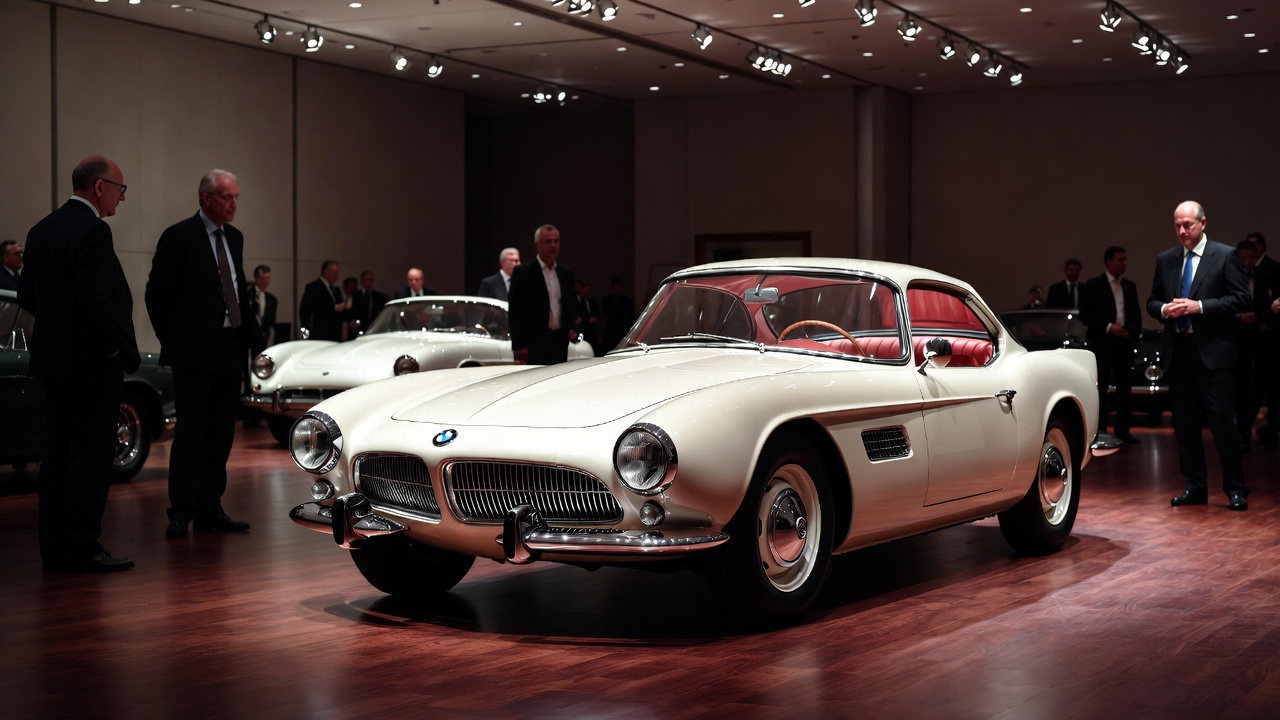
Today, the BMW stands as proof that true automotive greatness is not always measured by sales numbers — but by legacy.
For collectors, historians, and car lovers, owning or even witnessing a 507 is a dream experience.
If you enjoyed learning about the BMW , feel free to share this article, leave a comment, or explore our other classic car blogs to discover more automotive legends.
Frequently Asked Questions (FAQs) For BMW 507
1. What is the BMW 507?
Ans. The BMW 507 is a luxury sports roadster produced by BMW between 1956 and 1959.
2. How many BMW 507 cars were produced?
Ans. Only around 252 units of the BMW 507 were manufactured, making it extremely rare.
3. Who designed the BMW 507?
Ans. The BMW 507 was designed by Albrecht von Goertz, a German-American automobile designer.
4. What engine does the BMW 507 use?
Ans. It features a 3.2-liter V8 engine producing approximately 150 horsepower.
5. What is the top speed of the BMW 507?
Ans. The BMW 507 has a top speed of around 200 km/h (125 mph).
6. Why is the BMW 507 so rare?
Ans. The BMW 507 had very limited production due to high manufacturing costs and low sales volume.
7. Why is the BMW 507 so expensive today?
Ans. Its rarity, historical significance, collector demand, and classic BMW heritage make it extremely valuable.
8. Did Elvis Presley own a BMW 507?
Ans. Yes, Elvis Presley famously owned and drove a BMW 507 during his military service in Germany.
9. Was the BMW 507 successful when it was released?
Ans. No, it struggled commercially because of its high price and limited market appeal.
10. Did the BMW 507 make a profit for BMW?
Ans. No, BMW reportedly lost money on each BMW 507 due to high production costs.
11. Which modern BMW model was inspired by the BMW 507?
Ans. The BMW Z8 was designed as a modern tribute to the BMW 507.
12. What makes the BMW 507 special?
Ans. Its timeless design, limited production, V8 performance, and historical importance make it legendary.
13. Is the BMW 507 a good investment?
Ans. Yes, it is considered one of the most valuable and collectible classic BMW cars.
14. Can the BMW 507 still be driven today?
Ans. Yes, many restored BMW 507 models are still operational and driven at classic car events.
15. Where can you see a BMW 507 today?
Ans. BMW 507 cars can be found in museums, private collections, and classic car exhibitions worldwide.





1 thought on “BMW 507 : The Timeless Classic That Defined Luxury Roadsters”