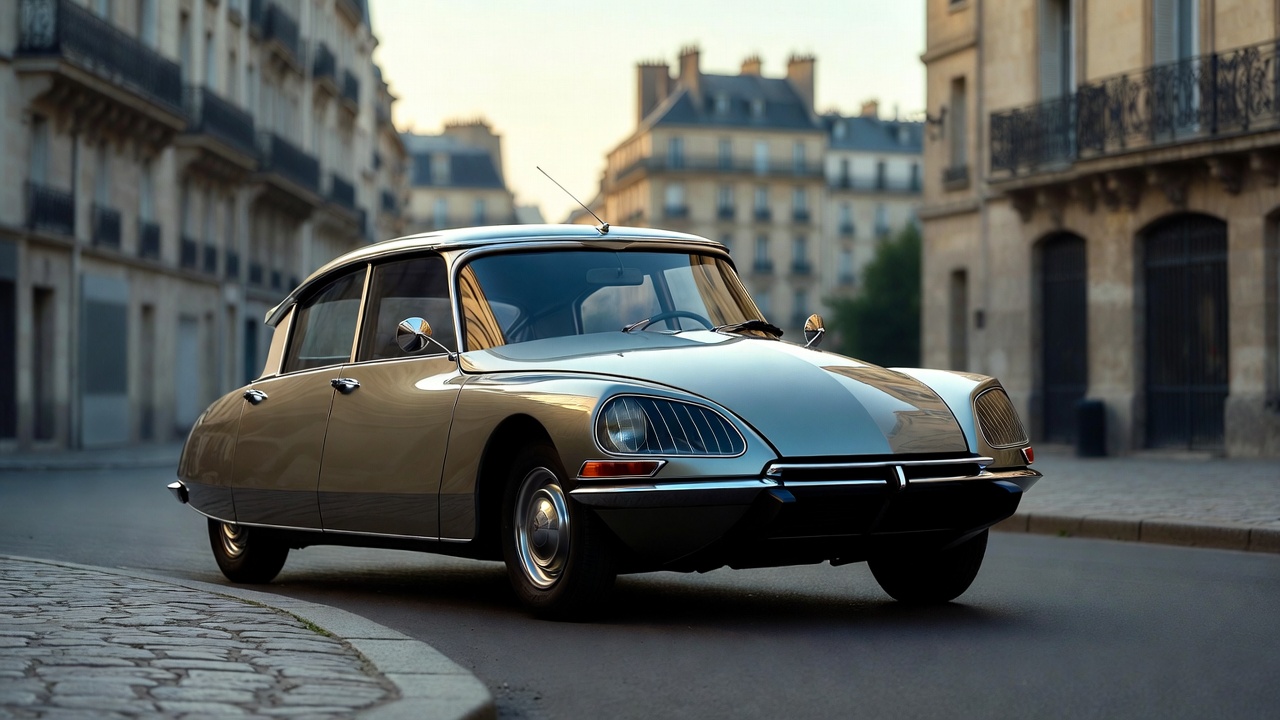
In October 1955, the automotive world witnessed something unprecedented. At the Paris Motor Show, Citroën unveiled a car so radically different that it reportedly received over 12,000 orders on the very first day—a record at the time. That car was the Citroën DS. In an era dominated by upright silhouettes, rigid suspensions, and mechanical simplicity, the DS arrived with an aerodynamic body, advanced hydraulics, and a level of comfort no other production car could match.
The Citroën DS was not designed to follow trends—it was engineered to rewrite the rulebook. Developed under the leadership of Citroën’s visionary team and shaped by aerodynamic principles borrowed from aviation, the DS introduced technologies that would take other manufacturers decades to adopt. Features like hydropneumatic suspension, power-assisted steering and braking, and a semi-automatic gearbox were almost unheard of in mass-produced cars during the 1950s.
More than just a classic French car, the Citroën DS became a symbol of innovation, national pride, and fearless engineering. It proved that comfort, safety, and advanced technology could coexist in a single vehicle, changing how people thought about everyday transportation. Even today, designers and engineers reference the DS as a benchmark for bold thinking and forward-looking design.
The Birth of the Citroën DS: A Bold Vision in French Automotive History
France’s Post-War Automotive Ambition
After World War II, Europe was rebuilding, and France wanted to show the world it could innovate again. Citroën wasn’t interested in simply making a reliable family car. The goal was much bigger: create a vehicle that blended technology, comfort, safety, and avant-garde design into one bold statement.
Citroën spent years developing a car that would leap far ahead of its competition. When the DS finally debuted, the reaction was immediate and overwhelming.
A Shocking Debut at the Paris Motor Show
On its first day at the Paris Motor Show, the Citroën DS reportedly received thousands of orders. People had never seen anything like it before. The smooth, flowing body lines and low stance made other cars look old overnight.
This was not evolution. This was revolution.
What Does “DS” Mean in Citroën DS?
The name “DS” is more clever than it first appears. In French, “DS” is pronounced like “déesse”, which means goddess. That wasn’t accidental.
Citroën wanted the car to feel elegant, powerful, and almost divine. Over time, the name became perfectly fitting. The Citroën DS wasn’t just a car—it was an experience.
Design That Redefined Beauty in Classic Cars
Aerodynamics Before They Were Trendy
Long before wind tunnels became standard, the Citroën DS focused heavily on aerodynamics. Its teardrop shape reduced drag and improved efficiency, making it both stylish and practical.
Key design highlights included:
- Smooth, flowing body panels
- Covered rear wheels on many versions
- Low front profile for reduced air resistance
This wasn’t just for looks—it improved fuel economy and high-speed stability.
A Body Built for Safety
The Citroën DS also introduced advanced safety ideas:
- A rigid passenger compartment
- Crumple zones to absorb impact
- A collapsible steering column (rare at the time)
These features would become industry standards decades later.
The Legendary Hydropneumatic Suspension of the Citroën DS
A Ride Unlike Anything Else
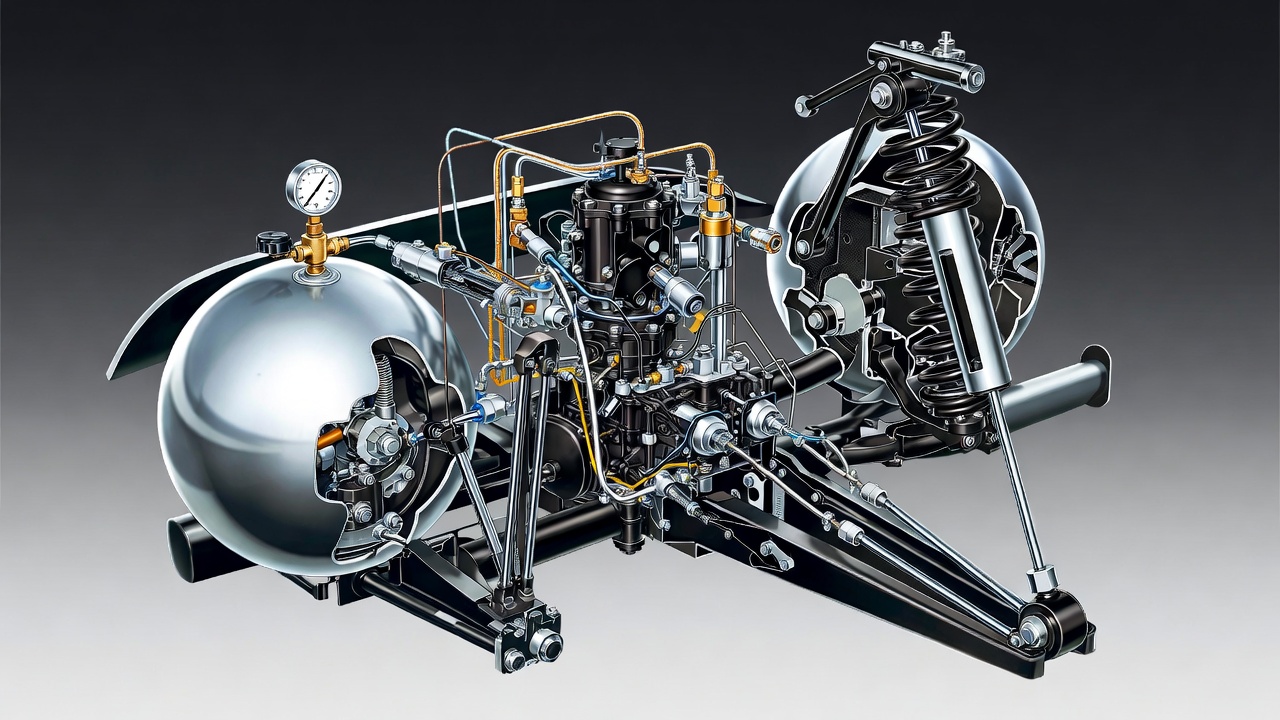
The most famous feature of the Citroën DS is its hydropneumatic suspension. Instead of traditional springs, the system used hydraulic fluid and nitrogen-filled spheres to create an unbelievably smooth ride.
Drivers described it as:
- Floating over rough roads
- Absorbing potholes effortlessly
- Remaining level even when fully loaded
Adjustable Ride Height
Another futuristic touch was adjustable ride height. The driver could raise or lower the car depending on road conditions. This made it incredibly practical on rough roads and helped with maintenance like changing tires.
Even today, this suspension system is considered a masterpiece of engineering.
Interior Design: Comfort Meets Innovation
A Cabin from the Future
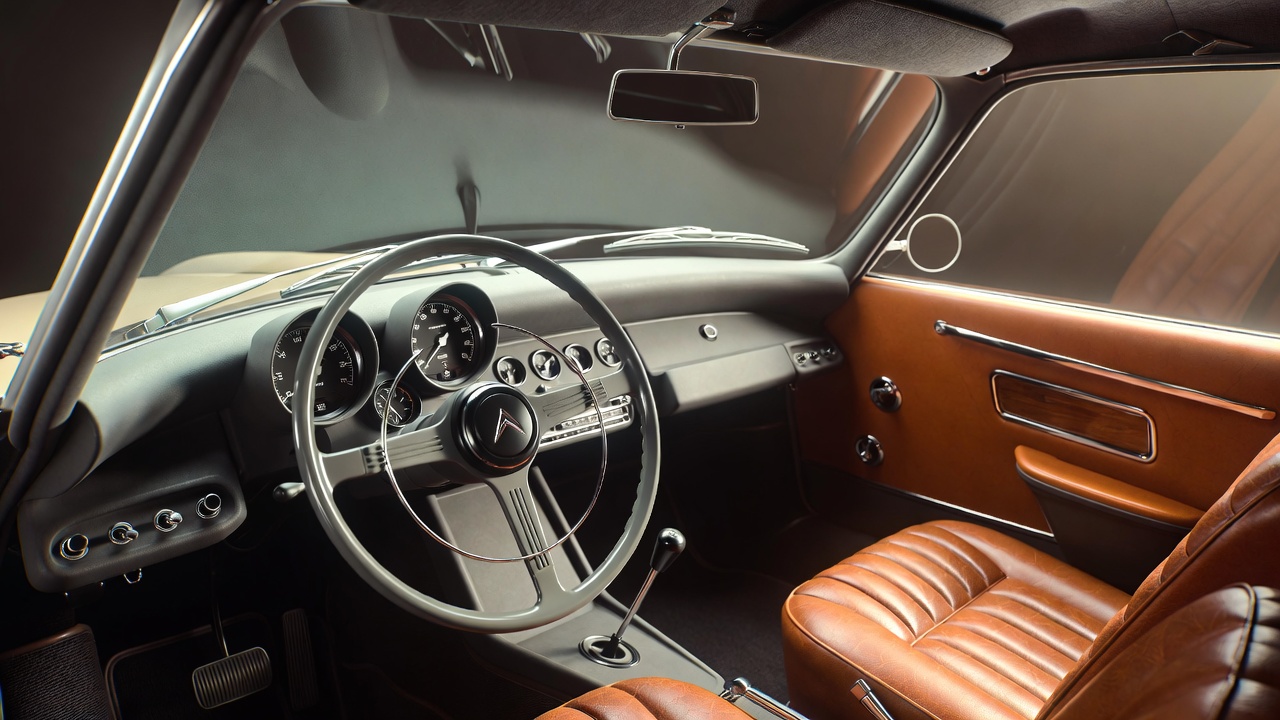
Step inside a Citroën DS, and you’re greeted by a cabin that feels completely different from other cars of its era. The dashboard was minimalist yet modern, focusing on ergonomics and visibility.
Notable interior features:
- Single-spoke steering wheel
- Clear, simple instrument layout
- Spacious seating with excellent comfort
Designed for Long Journeys
This car was built for travel. Seats were soft but supportive, road noise was reduced, and the suspension absorbed imperfections effortlessly. Long-distance driving became relaxing instead of tiring.
Engine and Performance: Smooth Over Speed
Not a Sports Car—But Brilliantly Balanced
The Citroën DS was never meant to be a performance monster. Instead, it focused on smooth, controlled power delivery. Engines evolved over time, offering better reliability and efficiency.
Performance highlights:
- Smooth acceleration
- Excellent highway stability
- Confident handling despite soft suspension
The goal wasn’t racing—it was refined mobility.
Citroën DS Variants and Body Styles
Sedan, Wagon, and Convertible
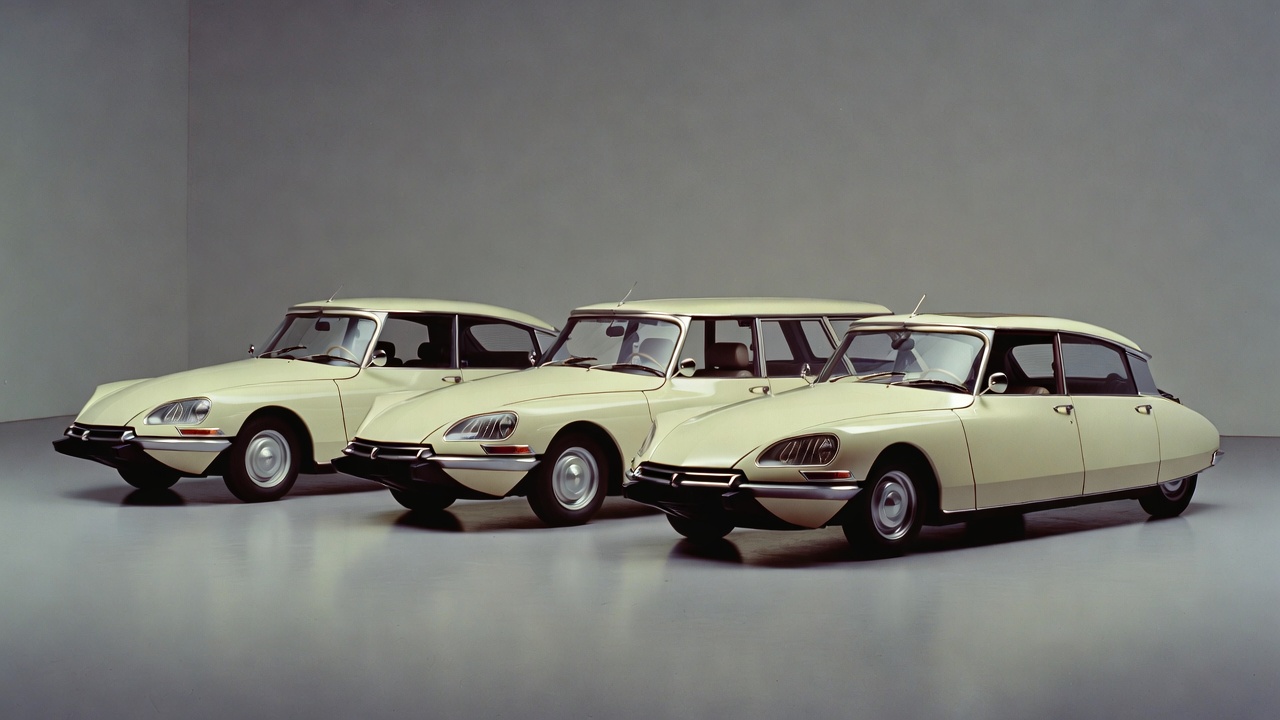
Over its long production run, the Citroën DS was offered in several forms:
- Sedan – the most iconic version
- Station wagon (Break) – practical and spacious
- Convertible – rare, elegant, and highly collectible
Each version maintained the same futuristic philosophy.
Cultural Impact of the Citroën DS
A Symbol of French Innovation
The Citroën DS quickly became a symbol of national pride in France. It was used by politicians, celebrities, and even heads of state.
One famous incident involved a Citroën DS saving lives during an assassination attempt due to its suspension allowing the car to escape despite damaged tires.
Loved by Designers and Artists
Designers, architects, and creatives admired the DS for its boldness. It wasn’t just transportation—it was rolling art.
The car has appeared in:
- Films
- Museums
- Design exhibitions worldwide
Why the Citroën DS Still Matters Today
Ahead of Its Time
Many features introduced by the Citroën DS didn’t become common until decades later. From safety innovations to ride comfort, it set benchmarks that the industry would slowly adopt.
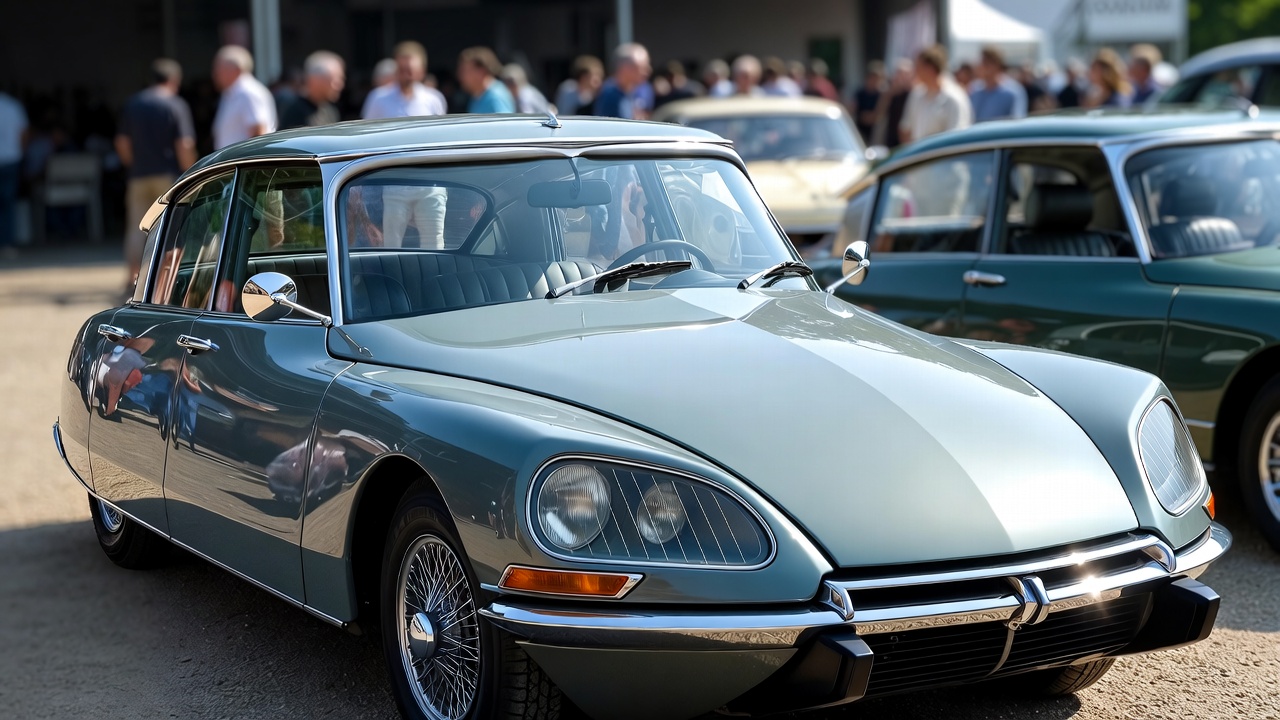
A Collector’s Dream
Today, well-maintained examples are highly sought after. Enthusiasts value the DS for:
- Its historical importance
- Unique driving experience
- Timeless design
It remains one of the most celebrated classic French cars ever built.
Ownership Experience: What It’s Like Today
Maintenance and Care
Owning a Citroën DS today requires passion and patience. The hydraulic system needs proper maintenance, and parts availability can vary by region.
However, dedicated communities and specialists help keep these cars alive.
Is It Worth It?
For those who appreciate engineering brilliance and design history, the answer is a confident yes. Driving a Citroën DS isn’t about speed—it’s about feeling connected to automotive history.
Citroën DS vs Other Classic Luxury Sedans
Compared to other vintage luxury sedans of its time, the Citroën DS stands apart:
- More innovative than most rivals
- More comfortable than many luxury competitors
- More daring in design than almost anything else
It didn’t follow trends—it created them.
Conclusion: A Goddess on Wheels
The Citroën DS stands as one of the most influential automobiles ever produced—not because of raw performance, but because of its engineering philosophy. Over its production lifespan of two decades, Citroën continuously refined the DS, proving that innovation could be sustained, not just introduced. Its hydropneumatic suspension later influenced suspension systems across the industry, while its safety-focused body design helped shape modern crash protection concepts.
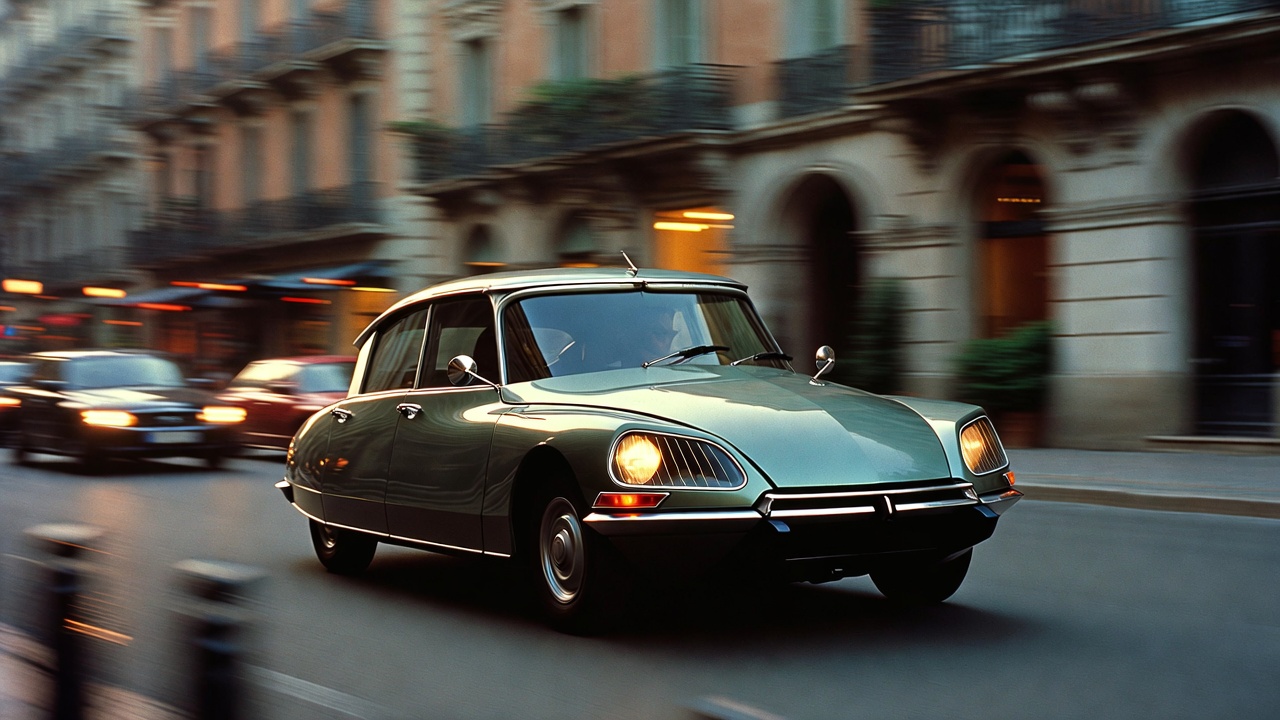
Beyond engineering, the DS left a lasting cultural legacy. It served heads of state, appeared in international films, and earned a permanent place in design museums—an extremely rare honor for a production car. Few vehicles can claim to have altered public expectations so completely, transitioning the automobile from a mechanical necessity into a comfort-focused, technology-driven experience.
Today, the Citroën DS remains a highly respected vintage luxury sedan, admired not only by collectors but also by designers, engineers, and historians. It reminds us that true progress often comes from bold decisions rather than safe ones. In a world of incremental upgrades, the DS represents a moment when the future arrived all at once.
If this story of innovation inspired you, share this article with fellow car enthusiasts, leave a comment about your favorite classic automobile, or explore our other deep dives into legendary vehicles that changed the automotive world forever.
Frequently Asked Questions (FAQ) For Citroën DS
1. What is the Citroën DS best known for?
Ans. The Citroën DS is best known for its futuristic design and revolutionary hydropneumatic suspension system.
2. Why is the Citroën DS considered special?
Ans. It introduced advanced safety, comfort, and engineering features decades ahead of its time.
3. What does “DS” mean?
Ans. “DS” sounds like the French word for “goddess,” symbolizing elegance and innovation.
4. When was the Citroën DS first introduced?
Ans. It debuted in the mid-1950s and immediately changed automotive design standards.
5. Was the Citroën DS a luxury car?
Ans. Yes, it was considered a vintage luxury sedan with unmatched comfort and technology.
6. Is the Citroën DS reliable?
Ans. When properly maintained, it can be reliable, though it requires specialist knowledge.
7. What makes the suspension unique?
Ans. The hydropneumatic system uses hydraulic fluid instead of traditional springs for a smooth ride.
8. Are Citroën DS cars collectible today?
Yes, they are highly valued by collectors and classic car enthusiasts.
9. Did the Citroën DS influence modern cars?
Ans. Absolutely. Many modern features trace their origins back to the DS.
10. Is the Citroën DS comfortable for long drives?
Ans. Yes, It is widely praised for exceptional ride comfort and stability.
11. Was the Citroën DS available as a convertible?
Ans. Yes, though convertible versions are rare and highly sought after.
12. Is the Citroën DS still relevant today?
Ans. Yes, it remains a benchmark for innovation, design, and automotive courage.