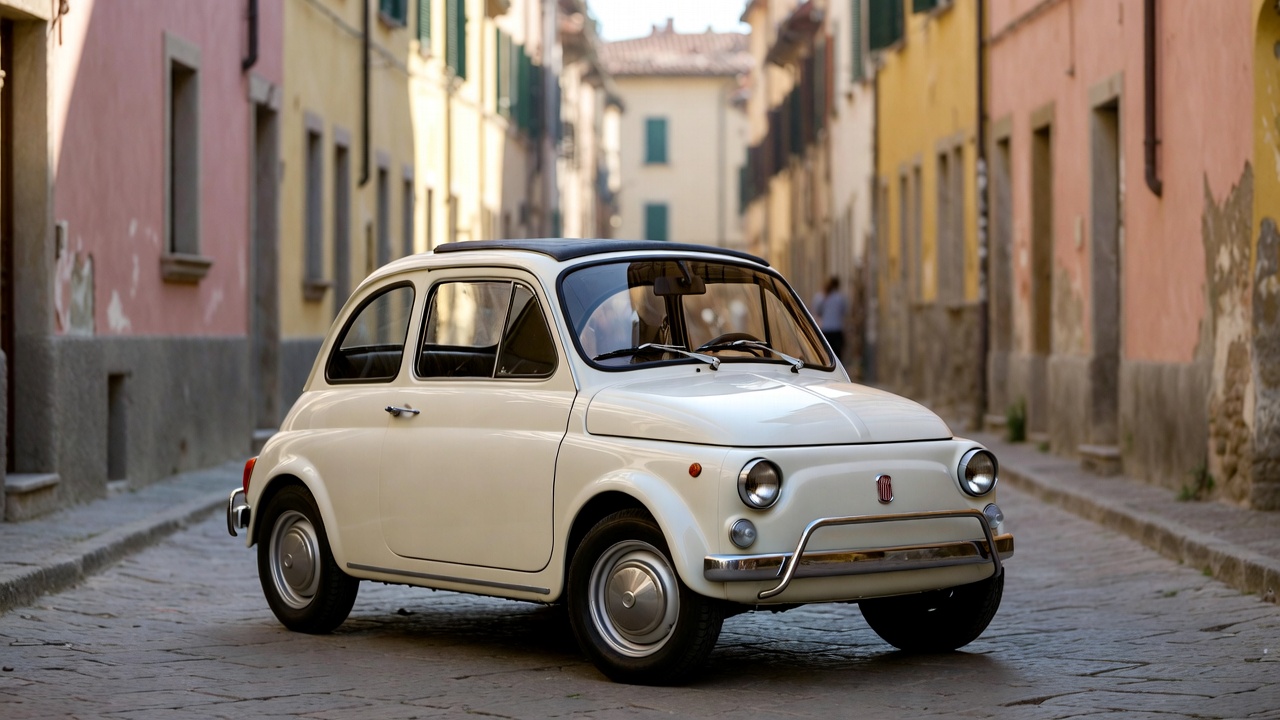
Some cars are designed purely for transportation. Others quietly shape culture, cities, and lifestyles. The Fiat 500 belongs to the second group.
First introduced in 1957, It was created to solve a real problem: affordable mobility for everyday people in post-war Italy. At a time when narrow streets, limited parking, and rising fuel costs defined urban life, Fiat engineered a car that was small, economical, and easy to own—without sacrificing charm. Over four million units of the original Fiat 500 were produced, making it one of the most influential small cars in automotive history.
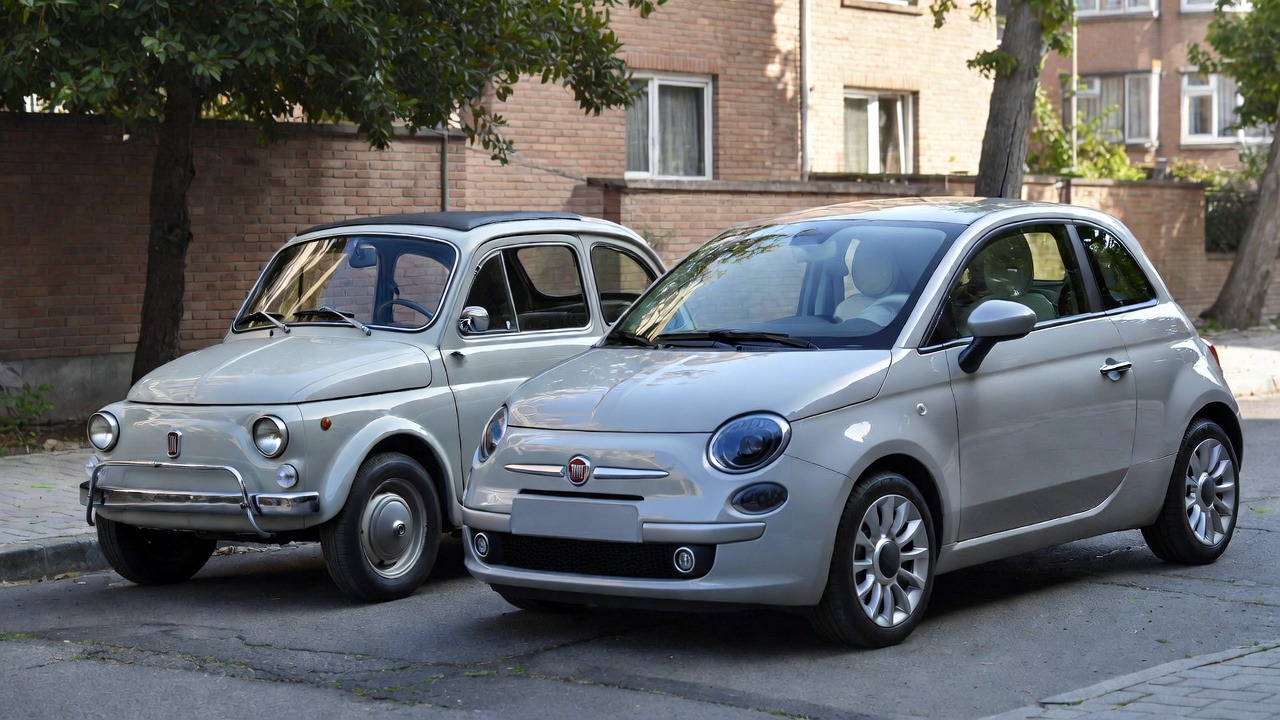
What makes it truly special is its ability to remain relevant across generations. When Fiat reintroduced the model in 2007, it wasn’t just a nostalgic revival. The modern Fiat combined classic Italian design with updated safety standards, efficient engines, and modern technology—instantly resonating with city drivers around the world.
Today, the 500 continues its journey into the electric era with the Fiat e, proving that compact cars still matter in a world focused on sustainability and smart urban mobility. In this guide, we’ll explore the history, design philosophy, real-world usability, and lasting impact of the Fiat —and why it remains one of the most recognizable city cars ever made.
The Birth of the Fiat 500: A Car That Changed Italy
Post-War Italy and the Need for a People’s Car
The original was introduced in 1957, during a time when Italy was rebuilding after World War II. Families needed affordable transportation that could handle crowded cities, limited parking, and tight budgets.
Fiat’s answer was simple but brilliant:
- Small dimensions
- Low running costs
- Easy to maintain
- Designed for everyday people
The result was the Fiat Nuova 500, a tiny two-cylinder car that quickly became a national icon.
Why the Original Fiat 500 Was Revolutionary
Despite its size, the Fiat delivered:
- Seating for four (yes, really)
- Excellent fuel efficiency
- A rear-mounted engine
- Minimal but clever interior design
It wasn’t just transportation—it represented freedom and progress for millions of Italians.
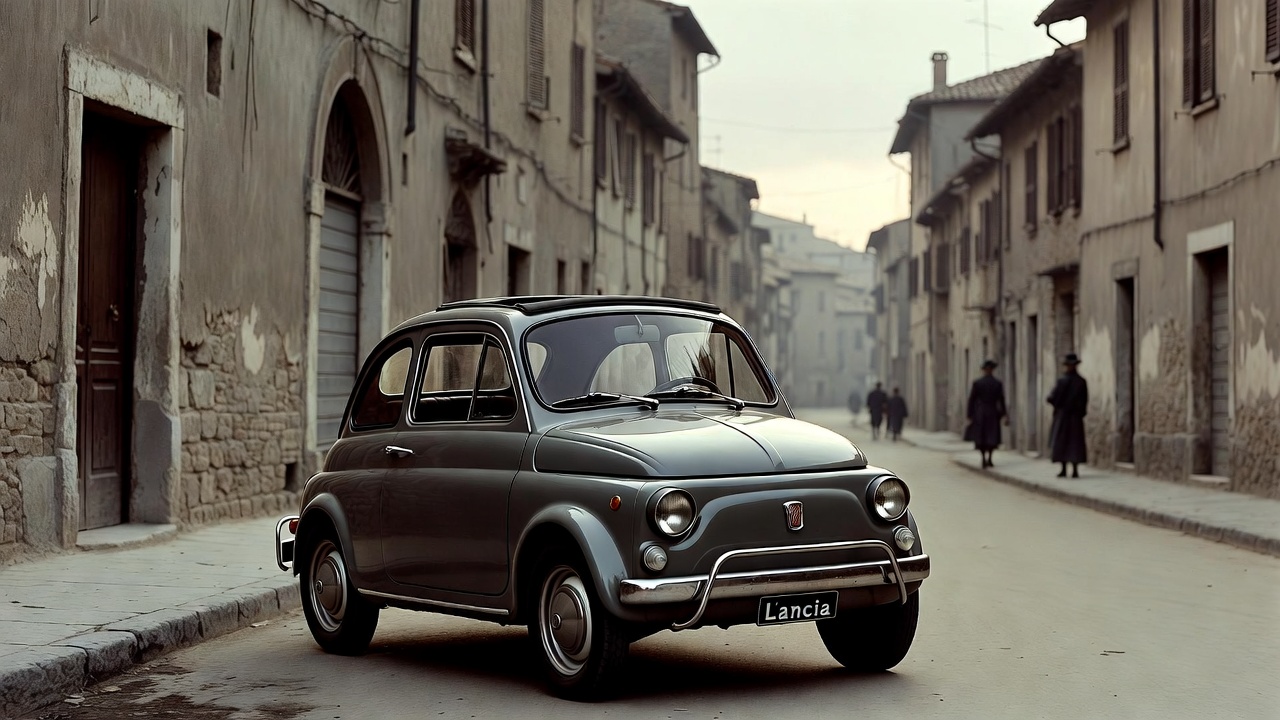
Design Philosophy: Small Size, Big Personality
Iconic Exterior Styling
One of the biggest reasons the Fiat remains popular is its design. It doesn’t try to look aggressive or futuristic. Instead, it embraces:
- Rounded headlights
- Compact proportions
- Friendly, approachable curves
The modern Was intentionally mirrors the original model, blending retro charm with contemporary details.
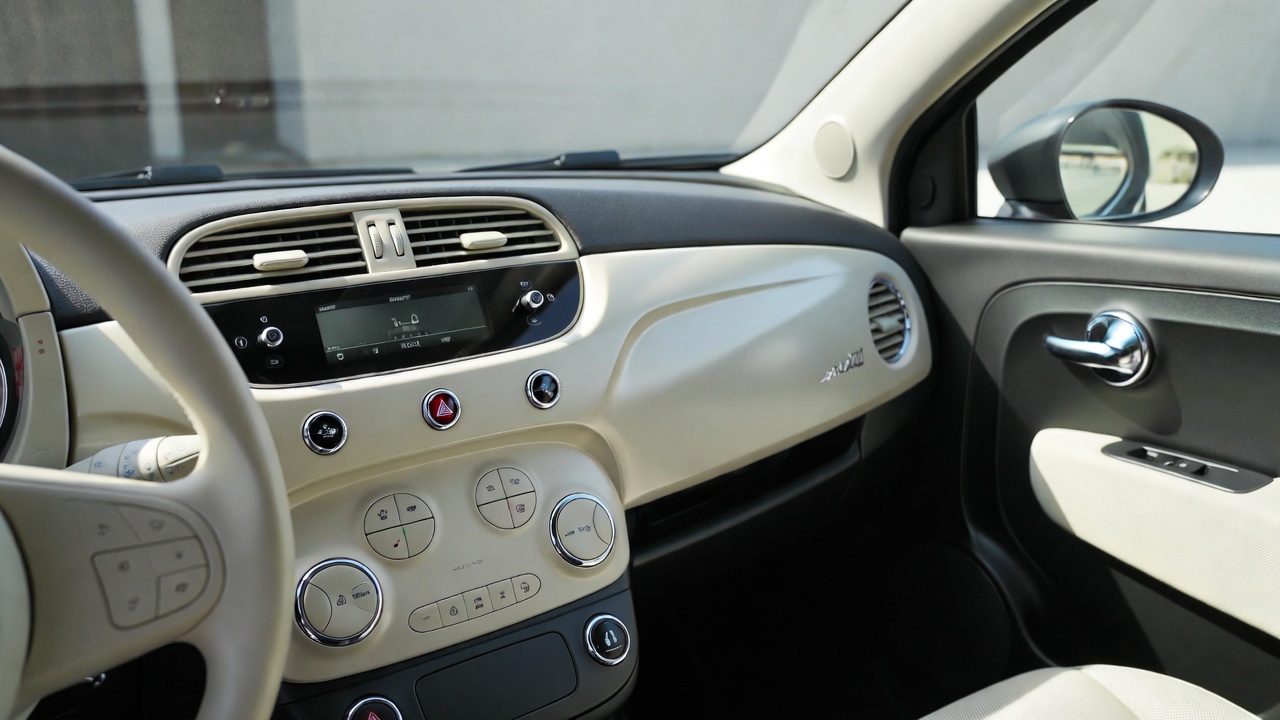
Interior Design: Retro Meets Modern
Step inside a Fiat and you’ll notice:
- Color-matched dashboard panels
- Simple, uncluttered controls
- Surprisingly airy cabin for its size
While it’s not a luxury car, that feels thoughtfully designed, making everyday driving enjoyable rather than stressful.
Evolution of the Fiat 500 Over the Years
From Classic to Modern Revival
Production of the original Fiat 500 ended in 1975, but its legacy never faded. In 2007, Fiat revived the name with a modern interpretation that stayed true to its roots.
Key changes in the modern Fiat included:
- Improved safety standards
- Modern infotainment systems
- Efficient petrol and diesel engines
- Automatic and manual transmission options
Electric Era: Fiat 500e
As cities move toward cleaner mobility, Fiat introduced the Fiat e, a fully electric version designed for urban life.
Highlights of the Fiat e:
- Zero tailpipe emissions
- Instant electric torque
- Quiet city driving
- Compact size perfect for urban parking
This move proved that the Fiat could evolve without losing its identity.
Engine Options and Performance
Small Engines, Smart Engineering
The Fiat has never been about speed. Instead, it focuses on:
- Efficiency
- Easy drivability
- Low ownership costs
Typical engine options include:
- Small petrol engines
- Mild-hybrid variants
- Fully electric powertrains
How the Fiat 500 Feels on the Road
Driving a Fiat is:
- Light and agile in traffic
- Easy to maneuver in tight spaces
- Comfortable for short to medium trips
It’s not designed for aggressive highway driving, but for city use, it feels right at home.
Fiat 500 vs Other Small City Cars
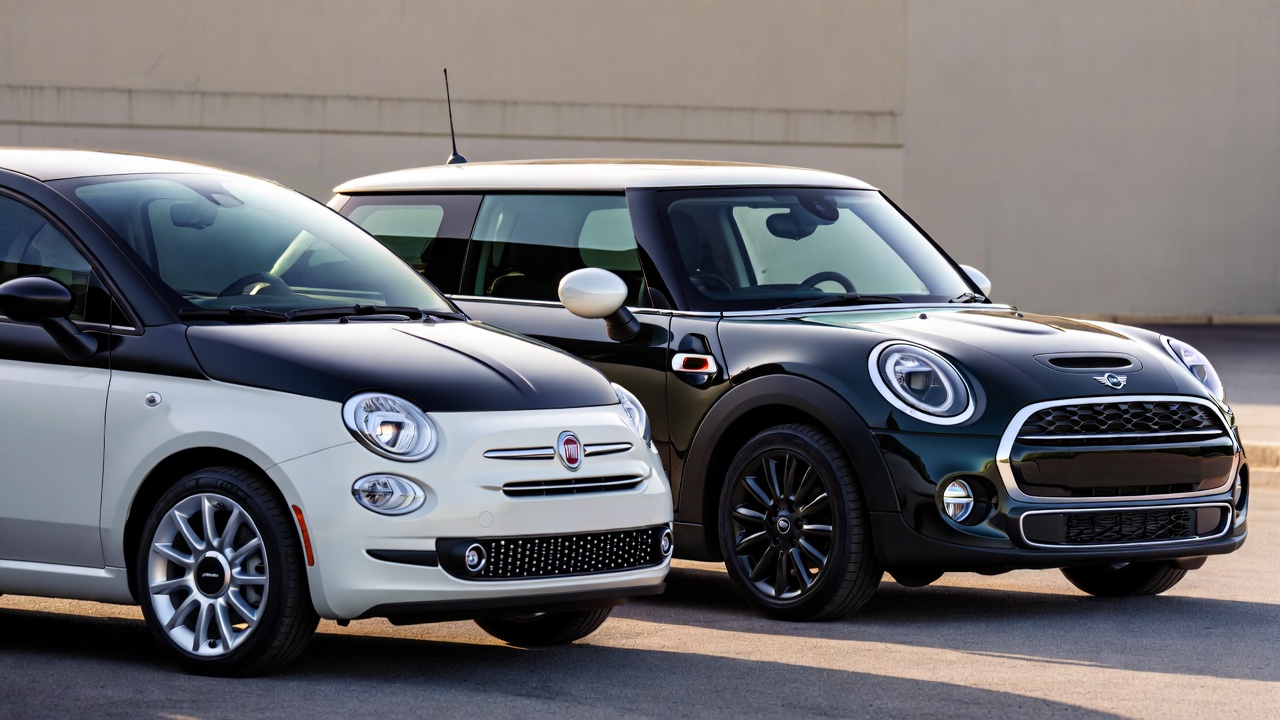
Fiat 500 vs Mini Cooper
While both cars focus on style:
- Fiat prioritizes simplicity and affordability
- Mini Cooper leans toward performance and premium pricing
The Fiat is more relaxed and playful, while the Mini feels sportier.
Fiat 500 vs Volkswagen Up
Compared to the Volkswagen Up:
- It offers more personality
- Up focuses on practicality and minimalism
The choice depends on whether you value character or functionality more.
Why the Fiat 500 Is Perfect for City Life
Urban-Friendly Dimensions
City driving demands:
- Easy parking
- Tight turning radius
- Compact size
The Fiat 500 excels in all three.
Fuel Efficiency and Low Costs
Ownership benefits include:
- Excellent fuel economy
- Affordable maintenance
- Lower insurance costs
These factors make the Fiat attractive for first-time buyers and city commuters alike.
Safety Features and Technology
Modern Safety Essentials
Despite its size, the Fiat includes:
- Multiple airbags
- ABS and stability control
- Rear parking sensors (on newer models)
It’s designed to meet modern safety expectations without unnecessary complexity.
Infotainment and Connectivity
Depending on the variant, features may include:
- Touchscreen display
- Smartphone integration
- Digital instrument cluster
Everything feels intuitive and beginner-friendly.
Ownership Experience: What It’s Like to Live with a Fiat 500
Daily Usability
The Fiat 500 works best if:
- You mostly drive in the city
- You don’t need a large boot
- You value style over space
Rear seats are suitable for short trips, making it ideal for singles or couples.
Maintenance and Reliability
Fiat has improved reliability over the years, and routine maintenance is generally affordable. Regular servicing keeps ownership stress-free.
Cultural Impact of the Fiat 500
The Fiat 500 isn’t just a car—it’s a cultural symbol.
- Movies
- Fashion campaigns
- Urban lifestyle branding
Few cars manage to feel both nostalgic and modern at the same time.
Is the Fiat 500 Still Worth Buying Today?
Who Should Buy a Fiat 500
The Fiat is perfect for:
- City dwellers
- First-time car buyers
- Style-conscious drivers
- Eco-friendly commuters (500e)
Who Should Look Elsewhere
You may want alternatives if:
- You need a family car
- You travel long distances regularly
- You require large cargo space
Conclusion: The Enduring Charm of the Fiat 500
The Fiat 500 is more than just a compact city car—it’s a real-world example of how thoughtful engineering and emotional design can stand the test of time. From its origins as a solution to post-war transportation challenges to its modern role as an urban lifestyle vehicle, the Fiat has consistently adapted to changing needs without losing its identity.
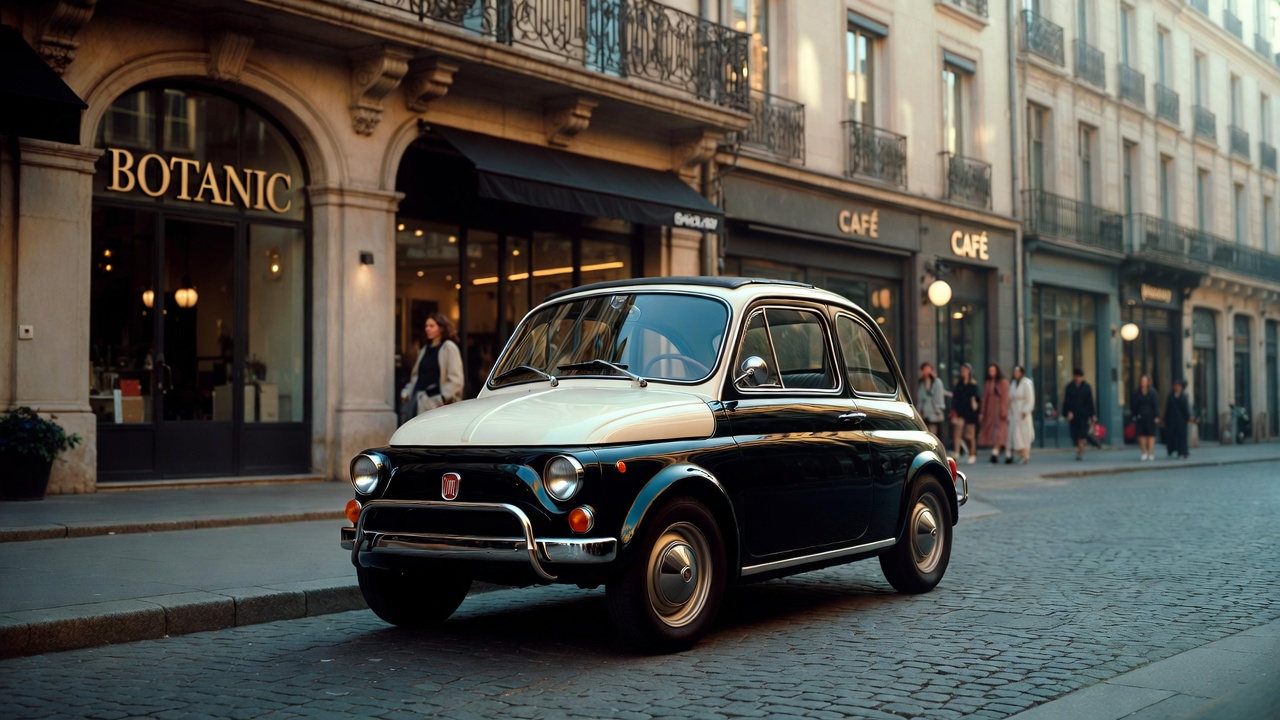
Factually speaking, its success is undeniable. The original Fiat helped mobilize an entire generation, while the modern version became one of Fiat’s most globally recognized models. The introduction of hybrid and electric variants reflects how the Fiat aligns with today’s environmental regulations and urban planning trends, especially in cities pushing for lower emissions and smaller vehicle footprints.
While it may not suit large families or long-distance touring, the Fiat excels at what it was always designed to do: make city driving simple, efficient, and enjoyable. Its compact dimensions, low running costs, and unmistakable design continue to attract first-time buyers, urban commuters, and enthusiasts who value character over excess.
In a market increasingly dominated by oversized vehicles, the Fiat stands as proof that small cars still have a big role to play. If you’re drawn to cars with history, personality, and purpose, the Fiat isn’t just a smart choice—it’s a meaningful one.
👉 If this guide helped you understand the Fiat 500 better, share it with fellow car lovers, drop your thoughts in the comments, or explore our other deep-dive automotive stories.
Frequently Asked Questions (FAQ) For Fiat 500
1. What is the Fiat 500 best known for?
Ans. It is best known for its compact size, retro design, and strong cultural identity as an Italian city car.
2. Is the Fiat 500 a good car for city driving?
Ans. Yes, It is excellent for city driving due to its small size, easy handling, and fuel efficiency.
3. Does the Fiat 500 come in electric version?
Ans. Yes, It is a fully electric version designed for modern urban mobility.
4. How many people can the Fiat 500 seat?
Ans. It can seat up to four people, though rear space is best for short trips.
5. Is the Fiat 500 reliable?
Ans. Modern models are generally reliable with proper maintenance and regular servicing.
6. What engines are available in the Fiat 500?
Ans. Engine options include petrol, mild-hybrid, and fully electric powertrains depending on the model year.
7. Is the Fiat 500 good for long drives?
Ans. It’s better suited for city and short highway trips rather than long-distance travel.
8. How fuel-efficient is the Fiat 500?
Ans. It is known for excellent fuel efficiency, making it cost-effective for daily use.
9. What makes the Fiat 500 unique compared to rivals?
Ans. Its retro styling, cultural heritage, and emotional appeal set it apart from other small cars.
10. Is the Fiat 500 expensive to maintain?
Ans. Maintenance costs are generally affordable, especially compared to premium small cars.
11. Who should buy a Fiat 500?
Ans. Urban drivers, first-time buyers, and style-focused owners will appreciate the Fiat 500 the most.
12. Is the Fiat 500 still relevant today?
Ans. Absolutely. With modern updates and electric options, It remains highly relevant.