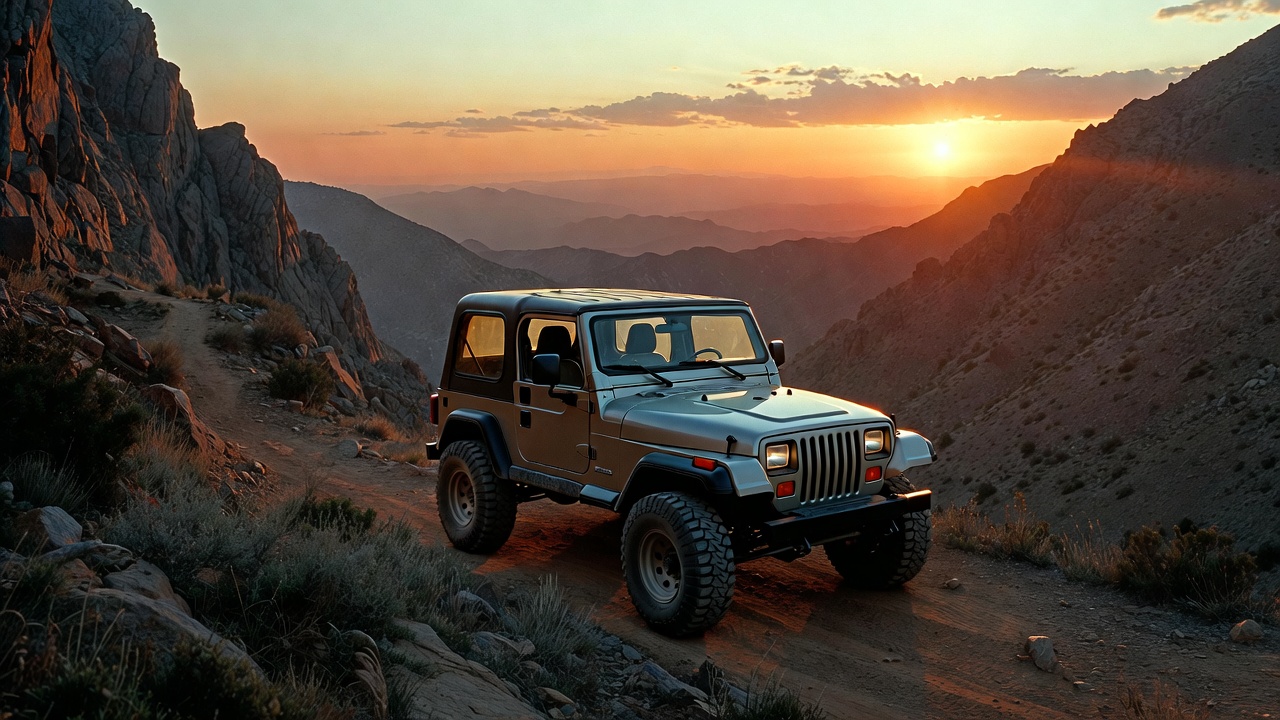
The Jeep Wrangler YJ is more than just an old-school off-road vehicle — it is the foundation on which every modern Wrangler is built. Introduced in 1987, the Wrangler YJ marked Jeep’s official transition from the legendary CJ series into a new era where off-road capability had to coexist with safety regulations, emissions standards, and growing consumer demand for comfort.
At the time, Jeep was owned by American Motors Corporation (AMC), and the pressure was on. The CJ lineup, while iconic, could no longer meet evolving federal safety requirements. Rather than abandoning the Jeep formula, AMC chose to evolve it — and the result was the Wrangler YJ.
This first-generation Wrangler introduced several major changes: a wider track for better stability, improved suspension geometry, a more refined interior, and yes — the famously controversial square headlights. While purists initially resisted these changes, the YJ quietly proved itself where it mattered most: on trails, dirt roads, snow-covered paths, and rocky terrain.
Today, the Jeep Wrangler YJ is widely recognized as a turning point in Jeep history. It preserved the rugged, body-on-frame design that made Jeep legendary while laying the groundwork for future generations like the TJ, JK, and JL. For enthusiasts, the YJ represents the last Wrangler that feels purely mechanical — simple, honest, and deeply connected to the driver.
Whether you’re an off-road beginner, a classic SUV collector, or someone curious about how the Wrangler legend truly began, understanding the Jeep Wrangler YJ helps explain why the Wrangler name still carries so much weight today.
The Birth of the Jeep Wrangler YJ
From CJ to YJ: A Necessary Evolution
Before the Wrangler YJ, Jeep relied on the CJ (Civilian Jeep) lineup. The CJ models were raw, simple, and extremely capable, but they were also outdated. Safety standards, ride comfort, and emissions compliance were becoming major issues.
So in 1987, Jeep introduced the Wrangler YJ, a vehicle that aimed to modernize the Jeep formula without losing its identity.
Key goals of the YJ:
- Improve on-road comfort
- Meet modern safety regulations
- Retain serious off-road ability
- Attract everyday drivers, not just hardcore enthusiasts
This balancing act wasn’t easy — and not everyone loved it at first.
The Most Controversial Feature: Square Headlights
Why Jeep Fans Were Angry
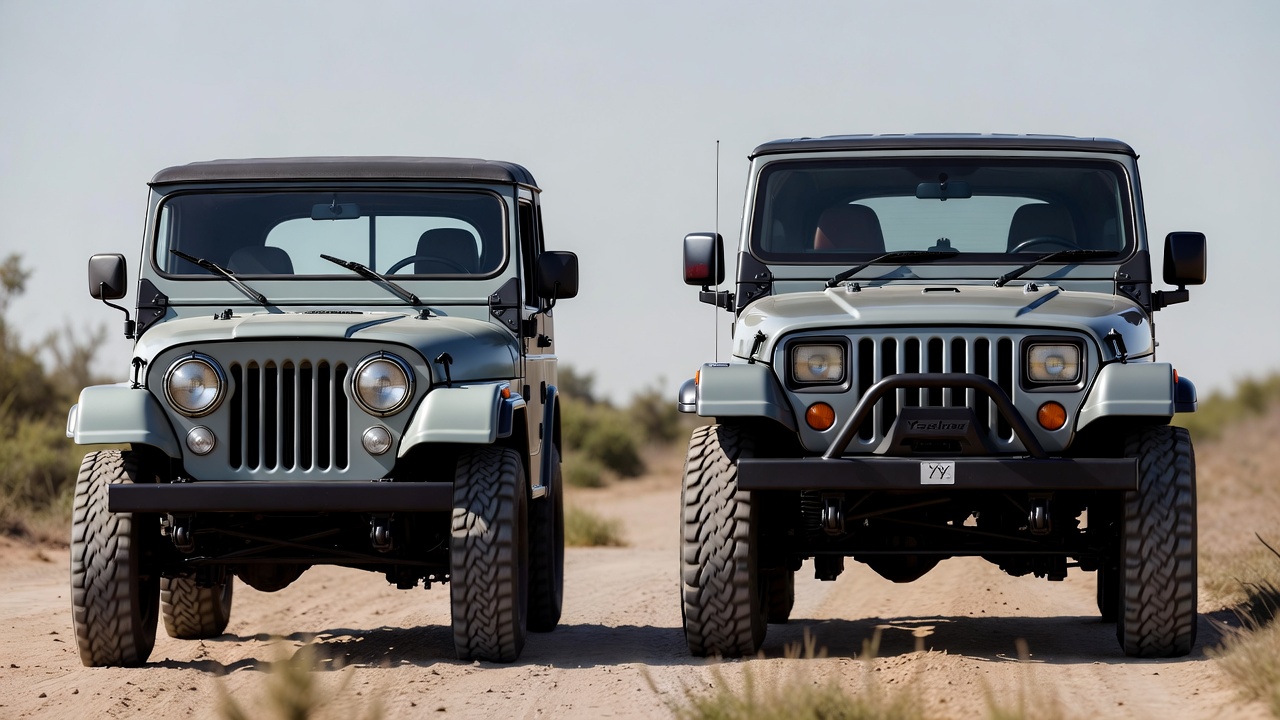
One of the most talked-about aspects of the Jeep Wrangler YJ is also the simplest: square headlights.
For decades, round headlights were a Jeep signature. When the YJ debuted with square ones, many Jeep purists were furious. Some even claimed it “wasn’t a real Jeep.”
But the decision wasn’t random.
Why Jeep Made the Change
- Square headlights helped differentiate the Wrangler from older CJ models
- They improved forward lighting performance
- They made the YJ feel more modern in the late 1980s
Ironically, today those square headlights are exactly what make the Wrangler YJ special and instantly recognizable.
Design and Exterior: Classic Yet Functional
Boxy, Purpose-Built Styling
The Jeep Wrangler YJ stayed true to Jeep’s rugged roots:
- Flat fenders
- Exposed hinges
- Removable hardtop or soft top
- Fold-down windshield
- Removable doors
Everything about the design screamed function over fashion — and that’s exactly why people still love it.
Body Styles and Dimensions
- 2-door only
- Short wheelbase for better off-road maneuverability
- Compact size compared to modern Wranglers
- Excellent approach and departure angles
Compared to today’s Wranglers, the YJ feels smaller, simpler, and more mechanical — in a good way.
Interior: Simple, Honest, and Jeep-Like
No Luxury, No Distractions
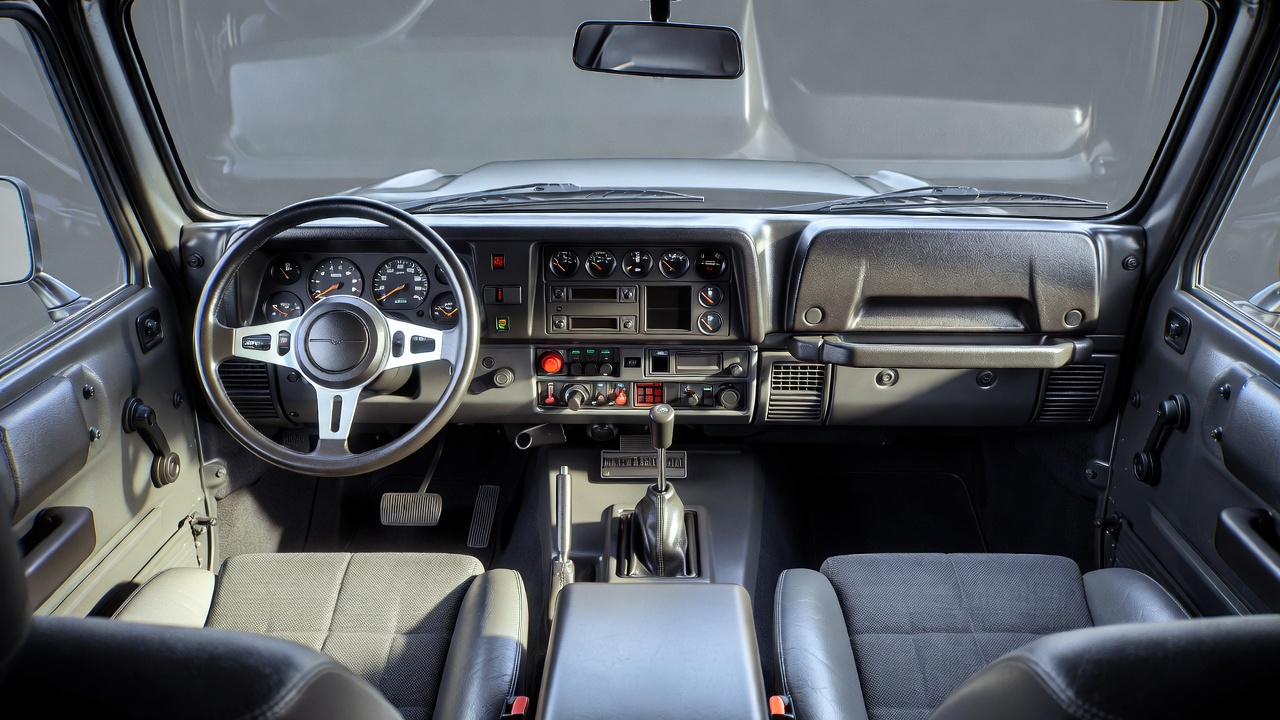
Step inside a Jeep Wrangler YJ, and you won’t find touchscreens or fancy materials. What you get instead is:
- Basic analog gauges
- Simple dashboard layout
- Durable plastics
- Easy-to-clean surfaces
Everything is designed to be functional and easy to repair.
Comfort Improvements Over CJ Models
- Better seats
- Improved heating and ventilation
- Quieter cabin (relatively speaking)
- More ergonomic controls
It was still rugged — just less punishing for daily driving.
Engine Options in the Jeep Wrangler YJ
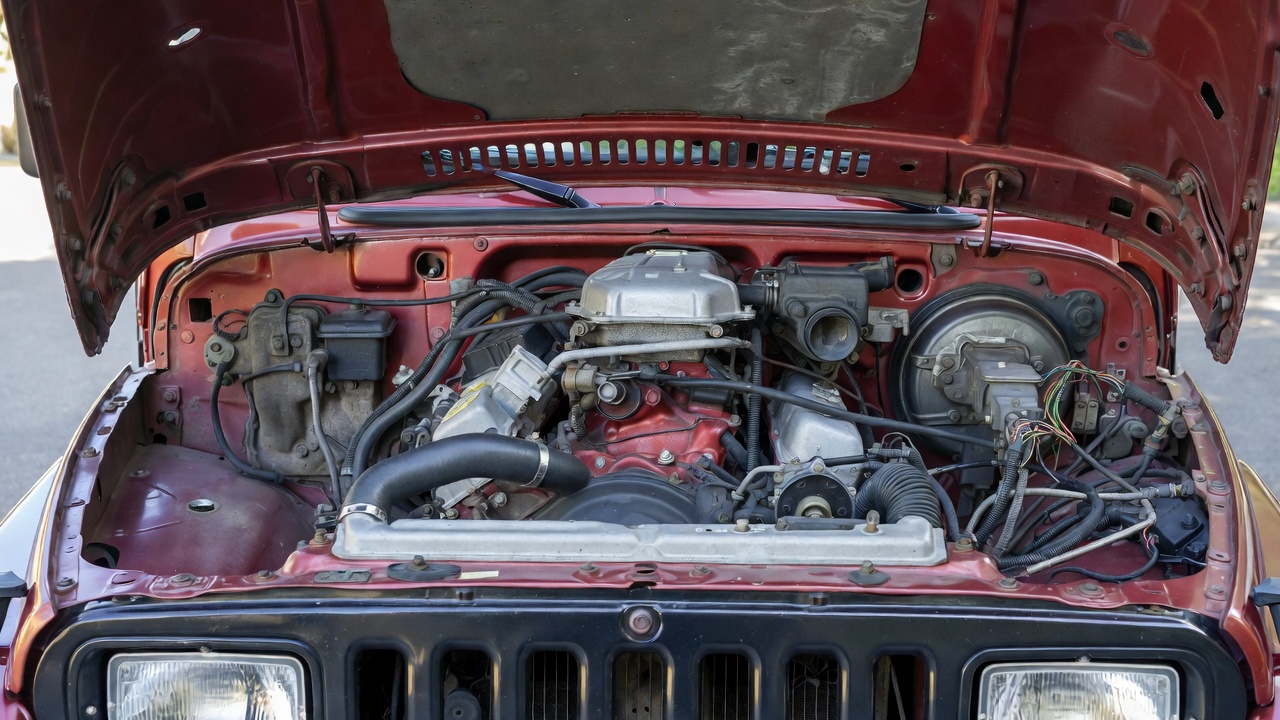
2.5L Inline-4 Engine
- Reliable and fuel-efficient
- Best for light off-roading and city driving
- Not very powerful, but dependable
4.0L Inline-6 Engine (The Legend)
This engine is one of Jeep’s greatest achievements.
Why it’s loved:
- Excellent low-end torque
- Extremely durable
- Easy to maintain
- Long lifespan with basic care
For most enthusiasts, the 4.0L engine is the heart of the Jeep Wrangler YJ.
Transmission Choices
Jeep offered both manual and automatic transmissions:
- 5-speed manual (most popular)
- 3-speed automatic
The manual transmission is preferred by off-roaders due to:
- Better control
- Simpler mechanics
- Stronger reliability
Off-Road Capability: Where the YJ Truly Shines
Suspension Design
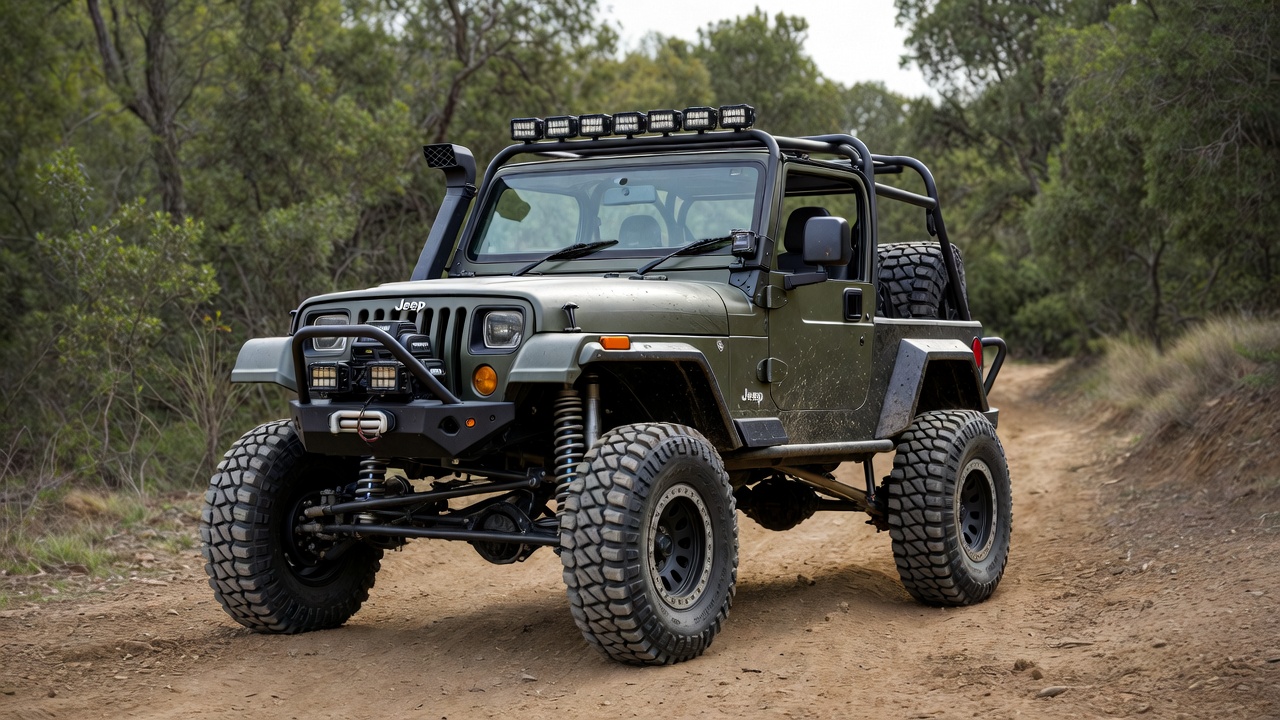
One of the biggest changes from the CJ to the YJ was the wider leaf-spring suspension.
Benefits:
- Improved on-road stability
- Better ride comfort
- Wider stance for confidence
While leaf springs aren’t as flexible as modern coil setups, they are:
- Tough
- Simple
- Easy to modify
Four-Wheel Drive System
The Jeep Wrangler YJ came with a traditional part-time 4WD system, perfect for:
- Mud
- Snow
- Rocks
- Trails
It wasn’t fancy, but it was effective.
On-Road Driving Experience
Let’s be honest — the Jeep Wrangler YJ was never designed to be a highway cruiser.
Expect:
- Wind noise
- Stiff ride
- Heavy steering (especially without power steering)
But you also get:
- A connected driving feel
- Mechanical honesty
- The sense that you’re driving something real
That’s part of the charm.
Reliability and Maintenance
Is the Jeep Wrangler YJ Reliable?
Yes — if maintained properly.
Strong points:
- Simple mechanical systems
- Easy access to parts
- Massive aftermarket support
Common issues to watch for:
- Rust (frame and body)
- Electrical gremlins in older models
- Suspension wear
- Cooling system maintenance
With basic care, a Wrangler YJ can last decades.
Modification Potential
This is where the Jeep Wrangler YJ truly becomes a playground.
Popular upgrades include:
Because of its simple design, modifying a YJ is often cheaper and easier than modern Wranglers.
Jeep Wrangler YJ vs Modern Wrangler
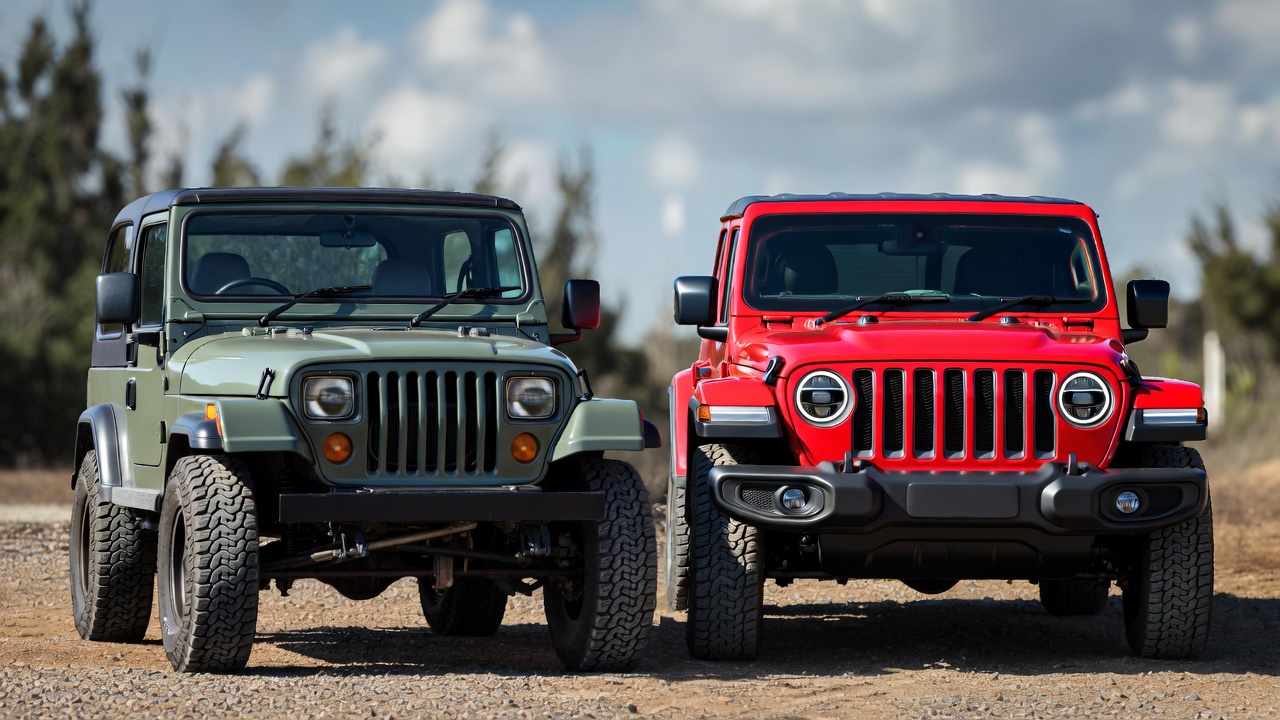
| Feature | Wrangler YJ | Modern Wrangler |
|---|---|---|
| Electronics | Minimal | Heavy |
| Off-road feel | Raw | Refined |
| Size | Compact | Larger |
| Maintenance | Simple | Complex |
| Character | High | Different |
Neither is “better” — they just serve different kinds of Jeep lovers.
Why the Jeep Wrangler YJ Is a Future Classic
The Wrangler YJ represents:
- The bridge between old and new Jeep eras
- The last truly simple Wrangler
- A design that dared to be different
As clean examples become rarer, values are steadily rising.
Conclusion: Is the Jeep Wrangler YJ Worth It?
The Jeep Wrangler YJ stands as one of the most important vehicles in Jeep’s long and storied history. It wasn’t just a replacement for the CJ — it was a carefully engineered response to changing automotive laws, buyer expectations, and a shifting SUV market during the late 1980s and early 1990s.
From a factual standpoint, the YJ introduced key advancements that saved the Wrangler name from extinction. Its wider leaf-spring suspension significantly improved stability compared to earlier Jeeps. The availability of the 4.0L inline-six engine gave it a reputation for long-term reliability that still holds strong decades later. Even its criticized square headlights now serve as a defining visual signature that separates it from every other Wrangler generation.
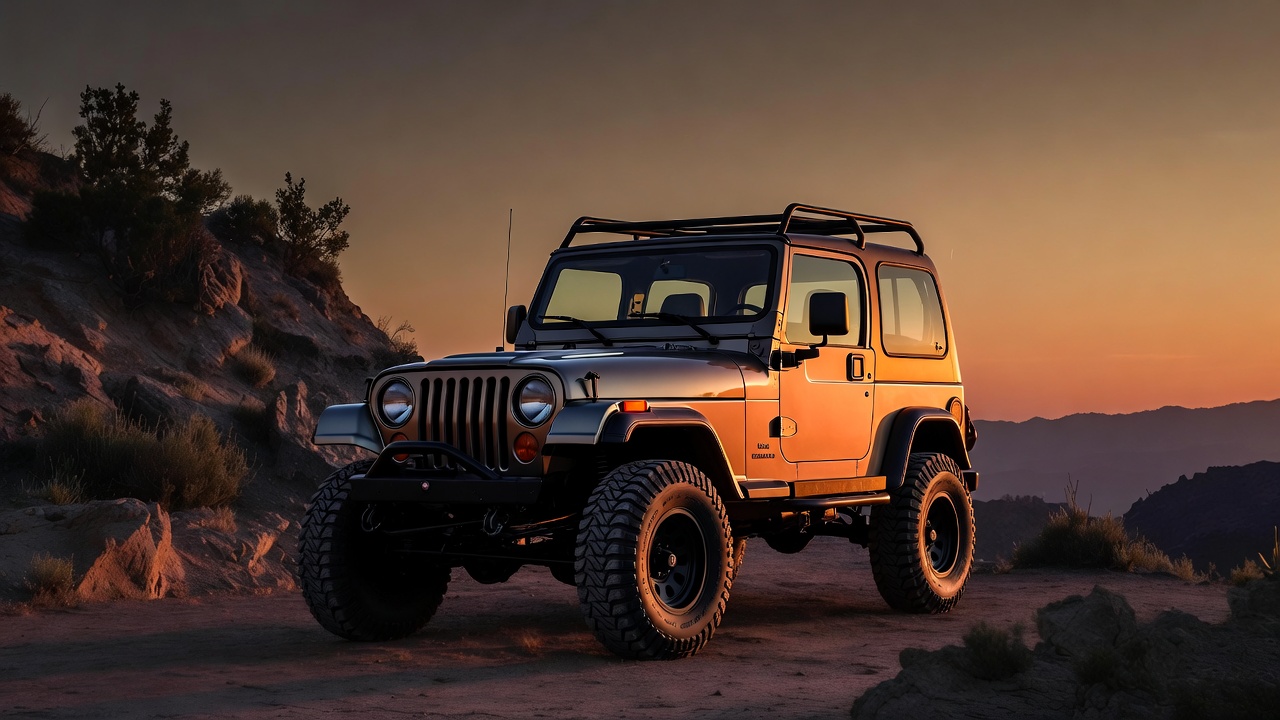
In real-world ownership, the Wrangler YJ has proven to be:
- Mechanically durable with basic maintenance
- Easy to repair due to minimal electronics
- Highly customizable thanks to massive aftermarket support
- Capable both on trails and as a lifestyle vehicle
As modern Wranglers become heavier, more complex, and more technology-driven, the YJ continues to attract enthusiasts who value simplicity, authenticity, and hands-on driving experience. Clean, well-maintained examples are becoming harder to find, which is why the Wrangler YJ is increasingly viewed as a future classic with rising collector interest.
In short, the Jeep Wrangler YJ isn’t just remembered — it’s respected. It bridged the gap between old-school Jeep toughness and modern usability, ensuring the Wrangler name survived and thrived. If you’re looking for a Jeep that delivers raw character, proven capability, and historical significance, the Wrangler YJ remains a standout choice.
👉 Have you ever driven or owned a Wrangler YJ?
Share your experience in the comments, pass this guide to a fellow Jeep enthusiast, or explore our other deep dives into legendary off-road vehicles.
Frequently Asked Questions (FAQ) For Jeep Wrangler YJ
1. What years was the Jeep Wrangler YJ produced?
Ans. The Jeep Wrangler YJ was produced from 1987 to 1995.
2. Why does the Jeep Wrangler YJ have square headlights?
Ans. Jeep used square headlights to modernize the design and differentiate it from older CJ models.
3. Is the Jeep Wrangler YJ good for off-roading?
Ans. Yes, it is highly capable off-road thanks to its 4WD system, short wheelbase, and strong axles.
4. Which engine is best in the Wrangler YJ?
Ans. The 4.0L inline-six engine is widely considered the best for power and reliability.
5. Is the Jeep Wrangler YJ reliable today?
Ans. With proper maintenance, the Wrangler YJ is very reliable and long-lasting.
6. Can the Wrangler YJ be used as a daily driver?
Ans. It can be, but it’s more comfortable as a weekend or enthusiast vehicle.
7. Are parts still available for the Jeep Wrangler YJ?
Ans. Yes, parts are widely available due to strong aftermarket support.
8. Is the Wrangler YJ easy to modify?
Ans. Absolutely. It’s one of the easiest Jeeps to modify for off-road use.
9. What are common problems with the Wrangler YJ?
Ans. Rust, aging electrical components, and worn suspension parts are the most common issues.
10. Is the Jeep Wrangler YJ increasing in value?
Ans. Yes, clean and original examples are becoming more valuable over time.
11. How does the YJ compare to the TJ Wrangler?
Ans. The YJ is simpler and more mechanical, while the TJ is more refined with coil suspension.
12. Should I buy a Jeep Wrangler YJ today?
Ans. If you love classic Jeeps and don’t mind a raw driving experience, it’s a great choice.