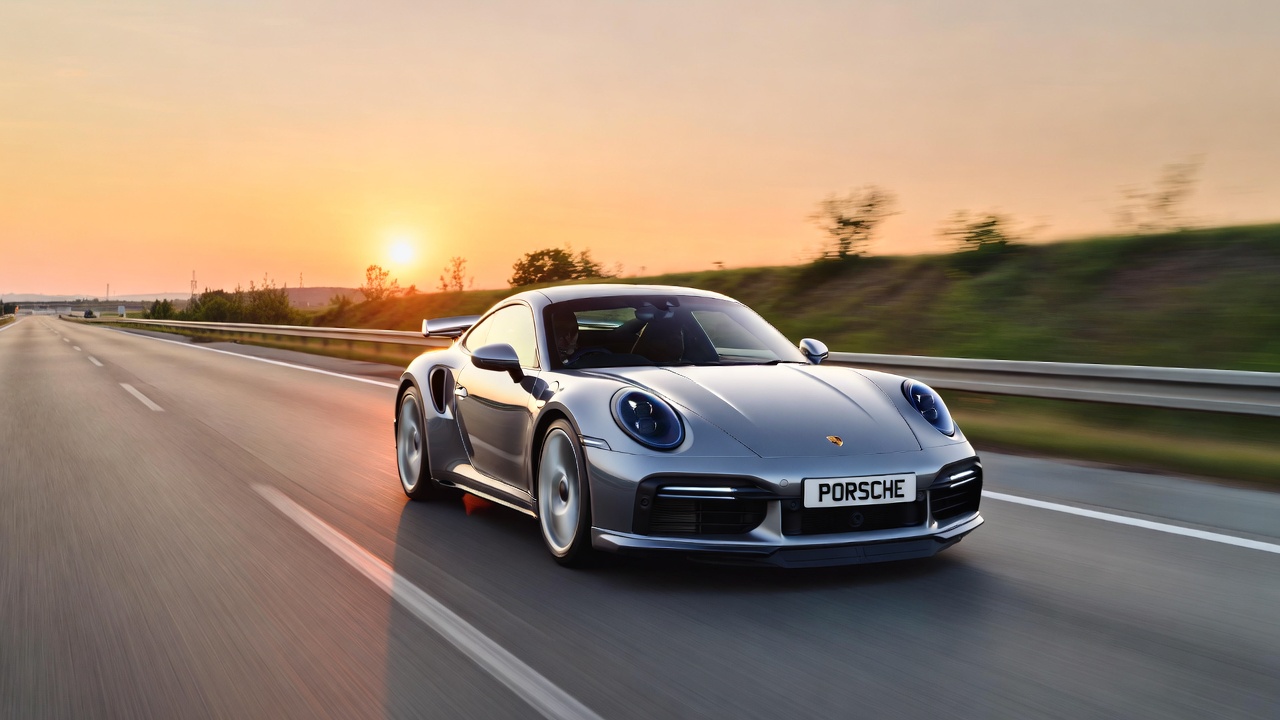
Few names in the automotive world stir the soul quite like the Porsche 911 Turbo S. It’s one of those rare machines that perfectly balances everyday usability with breathtaking supercar performance. This is the kind of car that can glide calmly through city traffic on a weekday morning and, with just a tap of the throttle, unleash the full fury of a 330 km/h rocket. For decades, the Porsche 911 Turbo S has remained an icon—not because of flashy marketing, but because of engineering excellence, racing DNA, and a legacy built through decades of innovation.
Unlike many exotic supercars that demand constant attention and compromise, the Turbo S feels engineered with intention. Every component, from its rear-mounted engine layout to its intelligent all-wheel-drive system, serves a precise purpose. It doesn’t try to shock you with drama; instead, it overwhelms you with competence. That quiet confidence is what makes the Turbo S so respected among automotive purists and industry experts alike.
To truly understand the magic of the modern Turbo S, we have to step back into history. In 1975, Porsche introduced its first-ever turbocharged 911—the legendary Porsche 911 Turbo S (930). Loud, raw, unpredictable, and shockingly fast for its time, the 1975 Turbo didn’t just bring turbocharging to Porsche; it reshaped the entire performance car world. Known for its dramatic turbo lag and fierce power delivery, the 930 quickly became a legend. Its influence lives on in every modern Turbo S, forming the foundation of the car’s character and engineering philosophy.
At the time, turbocharging was largely reserved for motorsport applications. Porsche took that racing technology and made it road-legal—something few manufacturers dared to attempt. The result was a car that demanded respect. Drivers had to understand throttle control, weight transfer, and the sudden surge of boost that could transform calm cruising into tire-smoking acceleration within seconds.
Today’s Porsche 911 Turbo S represents the perfect evolution of that original idea. It combines the excitement and raw spirit of the classic 930 with cutting-edge technology, exceptional luxury, and precision engineering. Whether you’re a lifelong Porsche enthusiast or someone discovering the 911 lineup for the first time, this guide will take you through everything that makes the Turbo S one of the greatest and most admired supercars ever built. From history and design to real-world usability and performance, let’s explore why the Porsche 911 Turbo S continues to dominate the supercar world.
The Evolution of a Legend: From 1975 Porsche 911 Turbo to Today
The Birth of the Turbo Era (1975 Porsche 911 Turbo – 930)
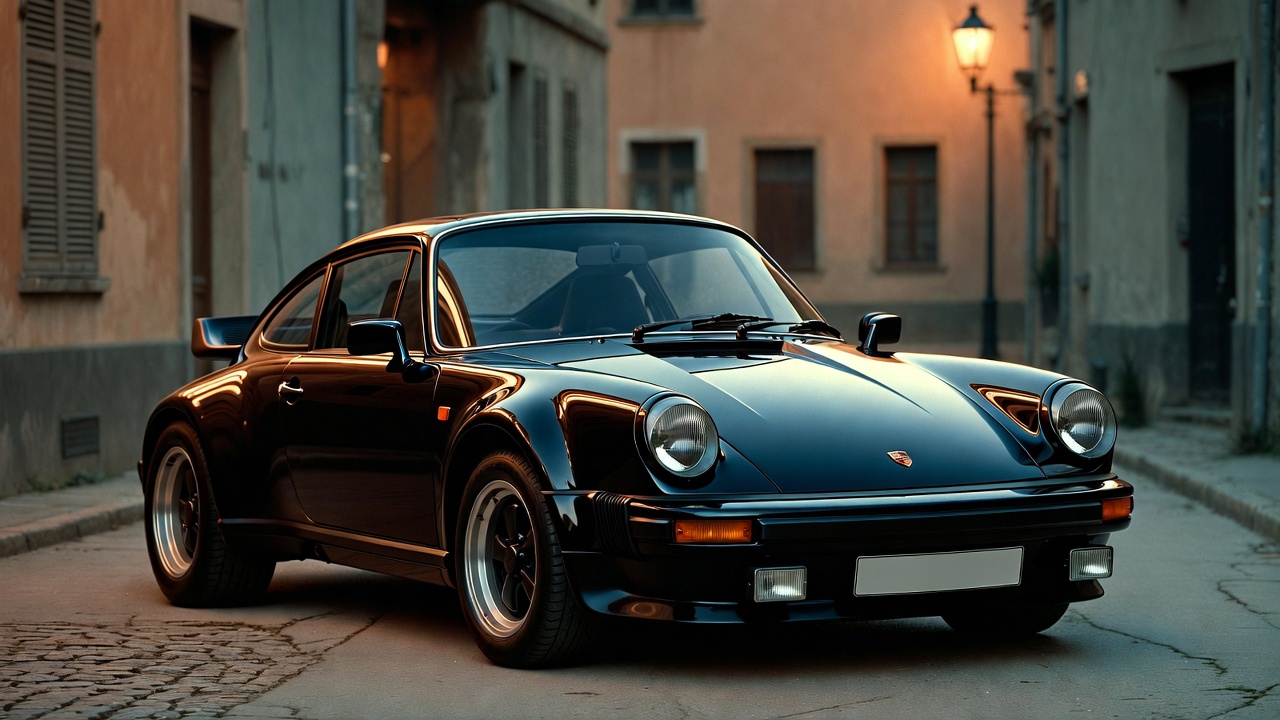
The 1975 Porsche 911 Turbo S wasn’t just another fast car—it was a revolution. Known internally as the 930, this model introduced turbocharging to Porsche’s road cars for the first time. It was wider, louder, and far more aggressive than the standard 911 models of its era.
Why the 1975 Porsche 911 Turbo Was Special
Beyond its raw numbers, what truly made the Porsche 911 Turbo S (930) special was its personality. This was not a forgiving car. It demanded skill, patience, and respect from the driver. The rear-engine layout combined with sudden turbo boost created a driving experience that felt alive and intense. Unlike modern performance cars that rely heavily on electronics, the 930 delivered a pure mechanical connection between driver and machine.
The 930 was also a symbol of technological courage. At a time when emissions regulations and fuel crises were reshaping the automotive industry, Porsche chose to double down on performance innovation. Turbocharging was not widely accepted for road cars, yet Porsche made it work reliably. This decision cemented Porsche’s reputation as an engineering-driven brand rather than a marketing-driven one.
Another reason the 930 stood out was its visual identity. It didn’t just look wider for style—it was wider for stability. The flared arches, large rear wing, and aggressive stance made it instantly recognizable. Even today, the silhouette of the 930 is considered one of the most iconic sports car shapes ever created.
Most importantly, the 1975 Turbo laid the emotional foundation for every Turbo S that followed. It introduced the idea that a 911 could be both luxurious and brutally fast—a philosophy that continues to define the modern Turbo S.
Porsche 911 Turbo S: The Modern Supercar Benchmark
The latest Porsche 911 Turbo S (based on the 992 generation) is a completely different beast—faster, safer, more luxurious, and far more advanced. But it still carries the soul of the original 1975 Turbo.
It represents the peak of Porsche’s internal combustion engineering before the industry transitions further toward electrification. In many ways, it feels like a celebration of everything Porsche has mastered over the last half-century.
Engine & Performance: Power That Feels Effortless
Under the rear deck lies a masterpiece:
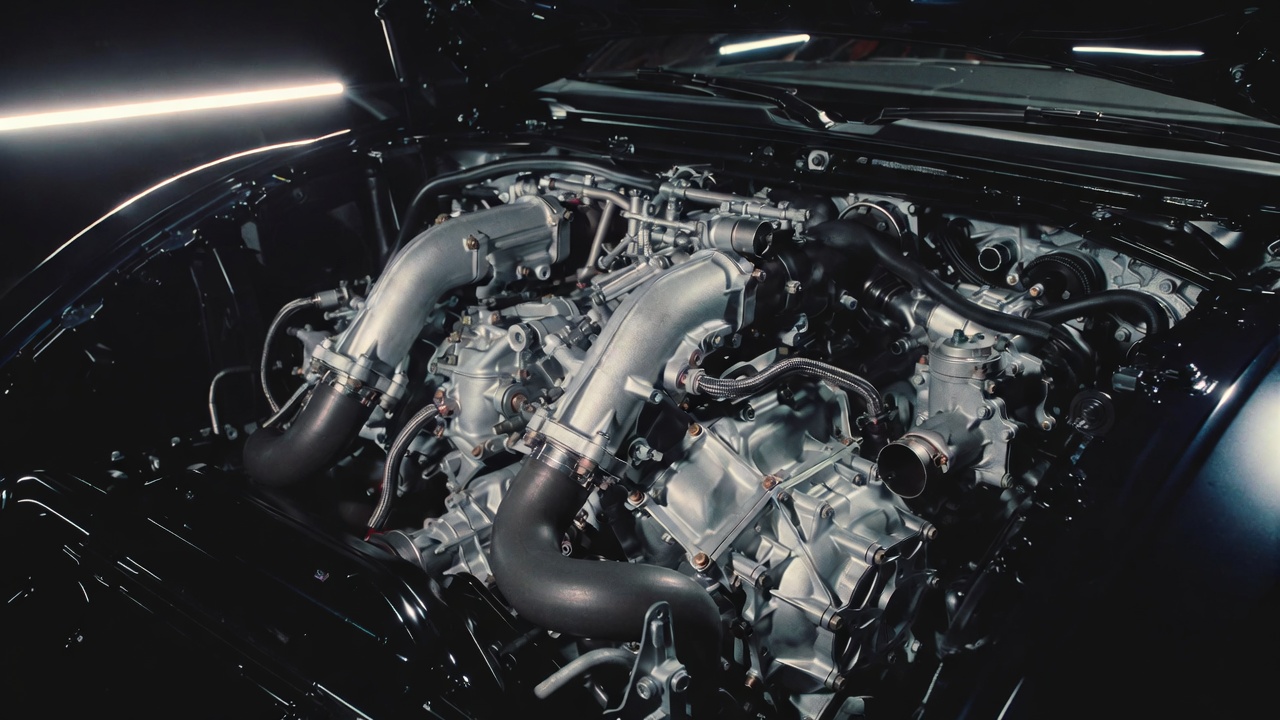
A 3.8-liter twin-turbo flat-six producing around 640 horsepower and 800 Nm of torque.
This engine is not just powerful—it’s intelligently engineered. Larger variable-geometry turbochargers, improved intercooling, and optimized airflow allow the Porsche 911 Turbo S to deliver massive power with remarkable smoothness.
Mind-Blowing Performance Figures
- 0–100 km/h: ~2.6 seconds
- Top Speed: ~330 km/h
- 0–200 km/h: around 8–9 seconds
- All-wheel drive (AWD) for maximum grip
- 8-speed PDK gearbox for lightning-fast shifts
This is supercar performance, yet delivered in a smooth, controlled, and confidence-inspiring way. Unlike the 1975 Turbo, the power comes instantly with almost zero turbo lag. Launch Control ensures perfect acceleration every time, making it one of the quickest production cars in the world.
Real-World Driving Experience
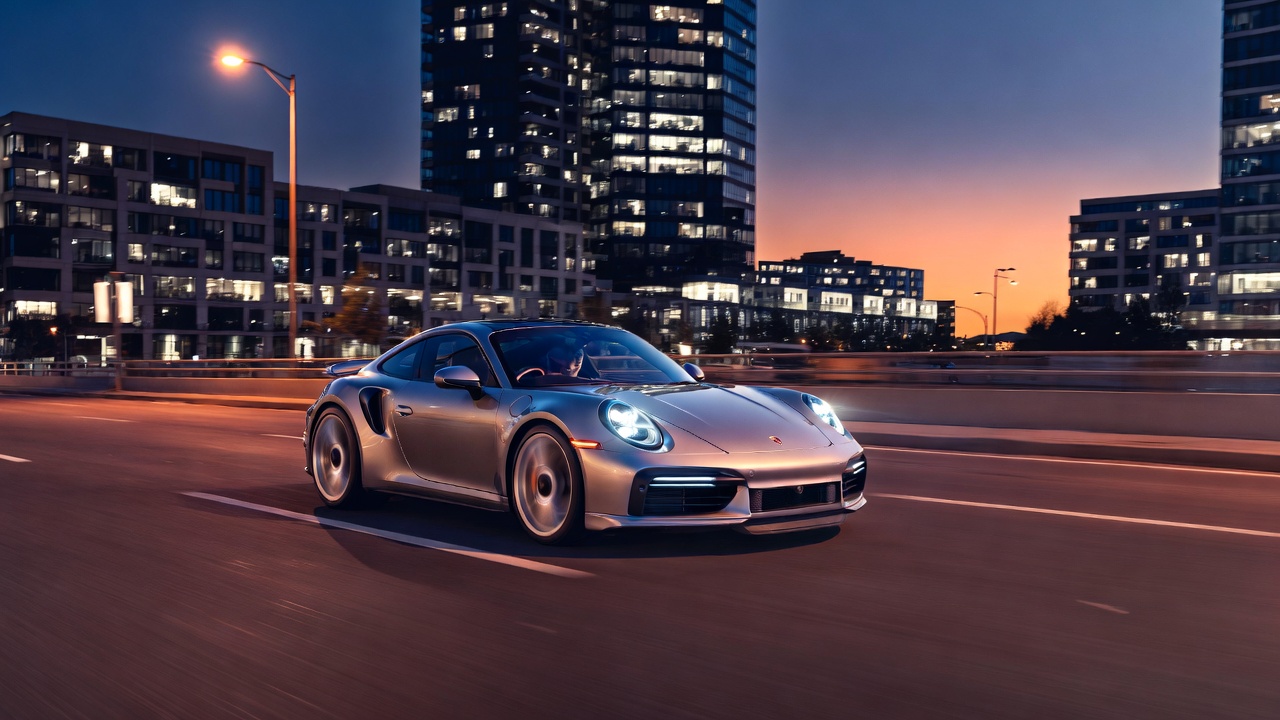
One of the most impressive qualities of the Porsche 911 Turbo S is how normal it can feel at low speeds. In Comfort mode, the suspension softens noticeably, the gearbox shifts smoothly, and the engine remains calm and quiet. You could drive it through crowded city streets without attracting unnecessary attention.
On highways, the Turbo S transforms into a refined grand tourer. At triple-digit speeds, the cabin remains composed and stable. Wind noise is minimal, and the car tracks straight with incredible confidence. Long-distance journeys feel effortless thanks to supportive seats and advanced driver-assistance systems.
When the road opens up or you switch to Sport or Sport Plus mode, the character changes dramatically. Throttle response sharpens, the exhaust becomes louder, and gear shifts feel more aggressive. The car feels lighter and more alert, almost as if it’s waiting for your next command.
What truly separates the Porsche 911 Turbo S from many rivals is how approachable it feels. Even drivers who are not professional racers can confidently explore its performance thanks to its intelligent AWD system, rear-wheel steering, and advanced stability management. It makes extreme speed feel manageable.
Design & Aerodynamics: Beautiful, Modern, and Functional
Exterior Design
The Porsche 911 Turbo S keeps the timeless silhouette of the classic 911 but adds:
- Wider rear fenders for better stability
- Larger air intakes for cooling the twin turbos
- Active rear spoiler that adjusts automatically
- Matrix LED headlights
- Center-lock wheels inspired by Porsche’s race cars
The design of the Porsche 911 Turbo S is a masterclass in subtle aggression. At first glance, it retains the classic 911 proportions—compact front, sloping roofline, and muscular rear. But look closer, and you’ll notice the widened track, sculpted air channels, and aerodynamic detailing that clearly distinguish it from standard 911 models.
The front fascia is more purposeful, with larger air intakes designed to cool the powerful twin-turbo engine and braking system. Active aerodynamic elements adjust automatically depending on speed and driving mode, increasing downforce when needed and reducing drag during high-speed cruising.
At the rear, the active spoiler is not just a styling element—it’s a critical performance component. It extends and adjusts angle dynamically to enhance stability at extreme speeds. The full-width LED light bar adds a modern touch while maintaining Porsche’s signature identity.
Even the wheels are functional works of art. The center-lock design, inspired by Porsche’s racing heritage, improves strength and reduces unsprung weight. Every design element on the Turbo S serves a performance purpose while maintaining timeless elegance.
Interior & Comfort
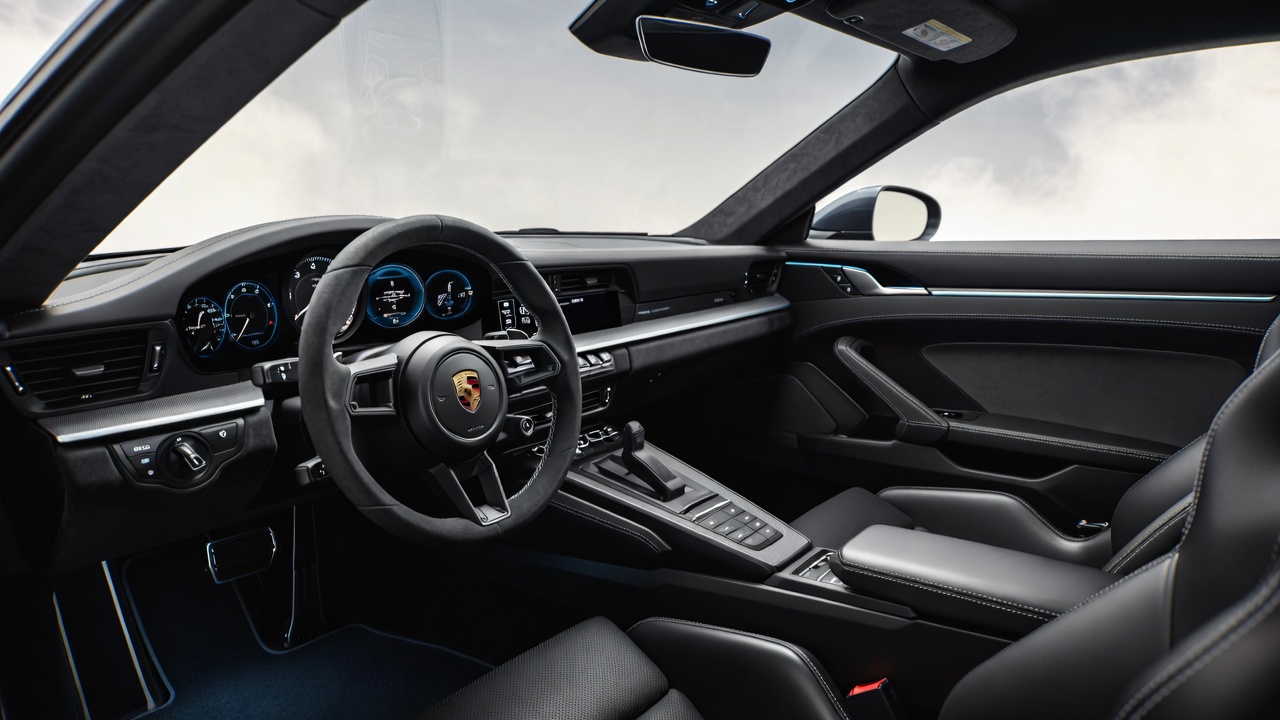
Inside, the Porsche 911 Turbo S feels like a luxury grand tourer. The cabin blends advanced technology with classic Porsche design cues, creating an environment that feels both modern and timeless.
Interior Highlights
- High-quality leather everywhere
- Advanced digital screens mixed with classic analog tachometer
- 18-way adjustable sports seats
- Premium Bose or Burmester sound system
- Porsche Communication Management (PCM)
- Apple CarPlay & Android Auto
Step inside the Porsche 911 Turbo S, and you immediately notice the balance between sportiness and luxury. The cabin feels driver-focused, with all controls positioned intuitively around the steering wheel and center console. Porsche has managed to blend digital technology with traditional craftsmanship in a way that feels authentic.
Material quality is exceptional. From soft-touch leather surfaces to brushed aluminum accents and precise stitching, everything feels premium. Optional carbon-fiber trim adds a motorsport-inspired touch for those who prefer a more aggressive interior theme.
Despite being a high-performance machine, the Porsche 911 Turbo S offers surprising practicality. The front trunk (frunk) provides usable storage space for weekend luggage, and the rear seats—though compact—can handle short trips or extra cargo when folded down.
Climate control, advanced infotainment, and customizable ambient lighting enhance the overall experience. The cabin feels like a luxury cockpit rather than a stripped-out race car, making daily driving not just possible, but enjoyable.
Technology & Features: Smart, Safe, and Driver-Focused
Porsche has equipped the Porsche 911 Turbo S with advanced features that enhance both performance and safety. Unlike older high-performance cars that demanded constant driver correction, the Turbo S uses intelligent systems to enhance confidence without removing engagement.
Key Features
- Porsche Active Suspension Management (PASM)
- Rear-wheel steering for agility
- Dynamic chassis control
- Sport Chrono Package
- Adaptive cruise control
- Carbon-ceramic brakes (standard)
Technology in the Porsche 911 Turbo S isn’t added for the sake of complexity—it’s engineered to enhance performance and safety without reducing driver engagement. Porsche’s systems work in the background, subtly assisting rather than dominating the driving experience.
The Porsche Active Suspension Management (PASM) system continuously adjusts damping forces based on road conditions and driving style. Whether you’re on a smooth highway or a twisting mountain road, the suspension adapts instantly to maintain stability and comfort.
Rear-wheel steering plays a crucial role in agility. At low speeds, the rear wheels turn slightly opposite to the front wheels, improving maneuverability in tight spaces. At high speeds, they turn in the same direction to enhance stability during lane changes and fast corners.
The carbon-ceramic braking system delivers incredible stopping power with reduced fade under heavy use. This ensures consistent performance whether you’re braking hard on a racetrack or in emergency highway situations.
Driver-assistance technologies such as adaptive cruise control, lane-keeping assist, and collision warning systems make long journeys less tiring and significantly safer. Unlike older high-performance cars that prioritized speed over safety, the Turbo S offers both in perfect harmony.
Additionally, the Sport Chrono Package allows drivers to customize driving modes, monitor lap times, and access advanced performance data. This blend of motorsport-inspired technology and real-world usability makes the Turbo S one of the most intelligently engineered supercars on the market.
Porsche 911 Turbo S vs Competitors
In the world of high-performance supercars, competition is fierce. Yet the Porsche 911 Turbo S continues to dominate because it doesn’t focus on just one strength—it masters them all. While many rivals excel in drama, sound, or track performance, very few deliver the complete package that the Turbo S offers.
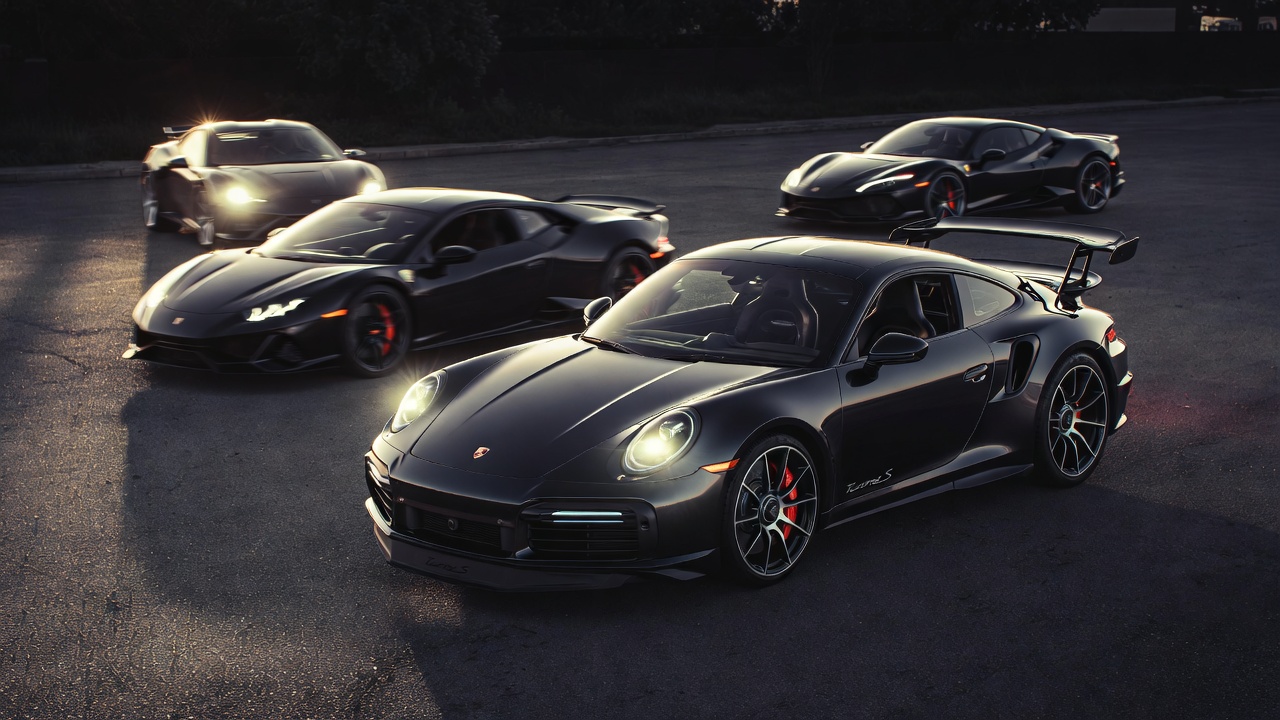
Let’s take a closer look at how it compares.
1. Lamborghini Huracán EVO
The Huracán EVO is bold, loud, and visually dramatic. Its naturally aspirated V10 delivers an emotional soundtrack that few turbocharged engines can match. It feels exotic in every sense.
However:
- Cabin comfort is tighter and less practical
- Visibility is more limited
- Ride quality is firmer for daily use
- Real-world acceleration is often slower than the Turbo S
While the Lamborghini excels in theater and emotion, the Turbo S offers greater usability and quicker real-world performance thanks to its AWD system and immense torque.
2. Ferrari F8 Tributo
The Ferrari F8 Tributo is breathtakingly beautiful and extremely sharp on track. Its twin-turbo V8 is explosive, and its chassis tuning is highly focused.
However:
- It is significantly more expensive
- It feels more track-oriented than daily-friendly
- Maintenance and ownership costs are higher
- Cabin refinement is not as versatile as Porsche
The Ferrari may win in pure exotic appeal, but the Turbo S matches or beats it in acceleration while offering far greater practicality and comfort.
3. Nissan GT-R
Often nicknamed “Godzilla,” the GT-R has long been known for delivering massive performance at a relatively accessible price.
However:
- Interior design feels outdated
- Technology and infotainment lag behind
- Ride comfort is not as refined
- Overall build quality and luxury are below Porsche standards
The GT-R remains impressive, but the Porsche 911 Turbo S represents a more advanced, premium, and modern evolution of the high-performance AWD formula.
4. Audi R8 V10
The Audi R8 V10 combines everyday usability with a naturally aspirated V10 engine and stunning design.
However:
- Slower acceleration compared to Turbo S
- Less advanced chassis technology
- Production ending reduces future development
While the R8 is elegant and usable, the Turbo S offers sharper performance and superior engineering depth.
Comparison Verdict
Where most supercars force you to choose—comfort or speed, drama or usability—the Porsche 911 Turbo S refuses to compromise. It may not scream the loudest or look the most outrageous, but it consistently outperforms rivals in measurable real-world performance, daily drivability, technological sophistication, and resale value.
That balance is what makes it the benchmark.
Legacy and Why the Turbo S Still Dominates
The dominance of the Porsche 911 Turbo S is not accidental—it is the result of five decades of continuous refinement. From the groundbreaking Porsche 911 Turbo (930) to today’s technologically advanced machine, Porsche has followed a philosophy of evolution rather than reinvention.
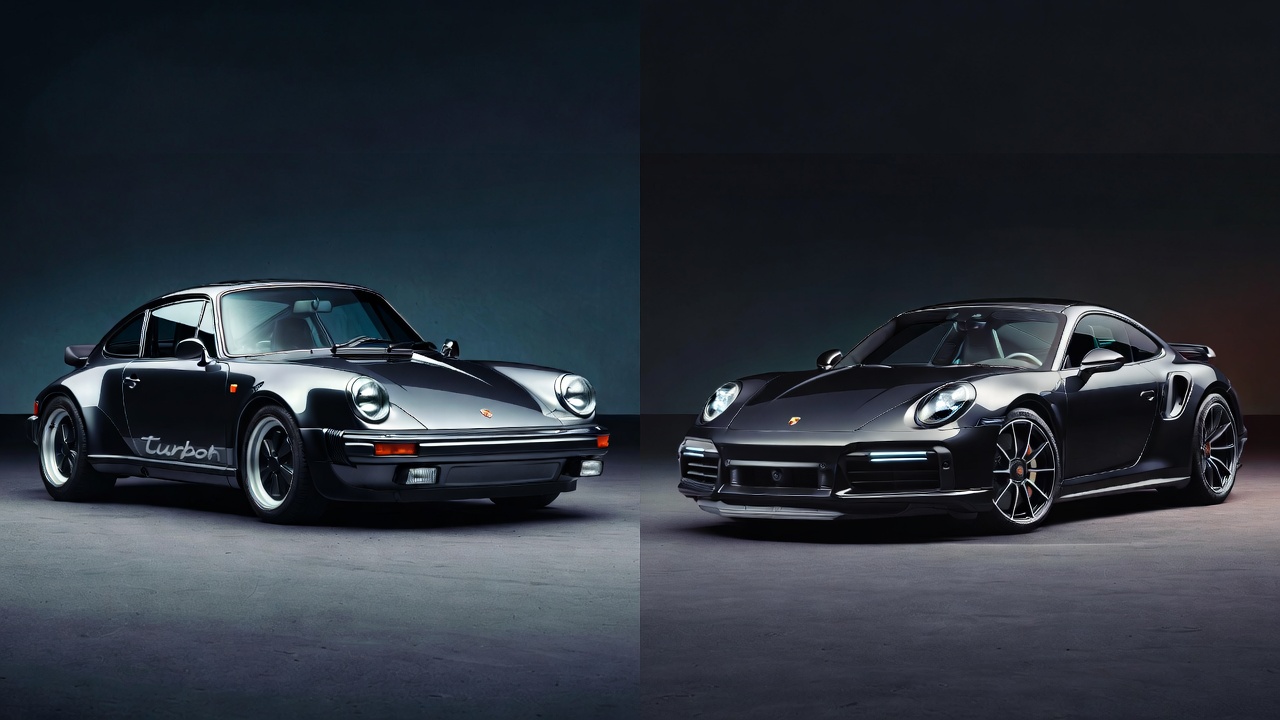
Unlike many manufacturers that dramatically change their flagship models every few years, Porsche carefully improves the 911 formula generation after generation. Each new Turbo builds on the strengths of its predecessor while eliminating weaknesses. That long-term engineering mindset has created unmatched consistency.
Another key reason for its dominance is trust. The 911 Turbo S has developed a reputation for reliability and durability that is rare in the supercar segment. Owners know they are buying not just performance, but precision engineering backed by decades of motorsport experience.
Its racing DNA also plays a crucial role. Porsche’s success in endurance racing, particularly at Le Mans, has directly influenced the development of its road cars. Turbocharging, aerodynamics, braking systems, and chassis balance all benefit from lessons learned on the track.
Perhaps most importantly, the Turbo S has managed to evolve without losing its identity. The silhouette remains unmistakably 911. The rear-engine layout remains intact. The philosophy of combining usability with explosive speed remains central. In an era where many sports cars are moving toward electrification and digital dominance, the Turbo S still feels mechanical, purposeful, and authentic.
That is why it continues to dominate—not just in numbers, but in respect.
What Makes the Turbo S Special?
- Unmatched engineering reputation
- Blend of performance + luxury
- Iconic 911 shape
- Everyday usability
- Racing heritage
It is one of the few cars that appeals to:
- Enthusiasts
- Collectors
- Daily drivers
- Track lovers
Many cars are fast. Many cars are luxurious. Very few combine both with such seamless precision as the Porsche 911 Turbo S. In short We Can Say.
1. Engineering Over Hype
Porsche has always prioritized engineering excellence over flashy marketing. Every improvement in the Turbo S is backed by measurable performance gains—whether it’s reduced turbo lag, improved cooling efficiency, or optimized aerodynamics.
2. Everyday Supercar Capability
Unlike most exotic cars that feel intimidating in traffic, the Turbo S behaves like a refined sports coupe when driven calmly. It doesn’t overheat in traffic, it doesn’t punish you with harsh suspension, and it doesn’t demand constant attention. Yet when pushed, it can outperform nearly anything on the road.
3. Instantaneous Performance
The combination of massive torque, AWD traction, and lightning-fast PDK transmission results in acceleration that feels almost electric in its immediacy. There is no waiting, no hesitation—just relentless forward motion.
4. Timeless Design
While many supercars age quickly due to extreme styling trends, the 911’s design evolves subtly. A Turbo S from a decade ago still looks relevant today. That timelessness protects its long-term value and appeal.
5. Resale Value & Brand Strength
Few supercars retain value as well as the Turbo S. The Porsche badge carries a reputation for durability, motorsport success, and engineering integrity. This makes it attractive not only to drivers but also to collectors.
6. Emotional and Rational Appeal
Most importantly, the Porsche 911 Turbo S satisfies both the heart and the mind. Emotionally, it delivers breathtaking speed and racing heritage. Rationally, it offers practicality, reliability, and usability.
That rare duality—being both a thrilling machine and a sensible choice—is what truly makes the Porsche 911 Turbo S special.
Conclusion For Porsche 911 Turbo S
The Porsche 911 Turbo S isn’t just another fast car—it’s a symbol of how passion, engineering excellence, and decades of innovation can shape the very definition of a performance vehicle. From its roots in the wild and unpredictable 1975 Porsche 911 Turbo, to the refined, luxurious, and technologically advanced Turbo S we see today, the evolution of this machine has been nothing short of extraordinary. Few supercars manage to blend history, power, practicality, and everyday usability with such perfection.
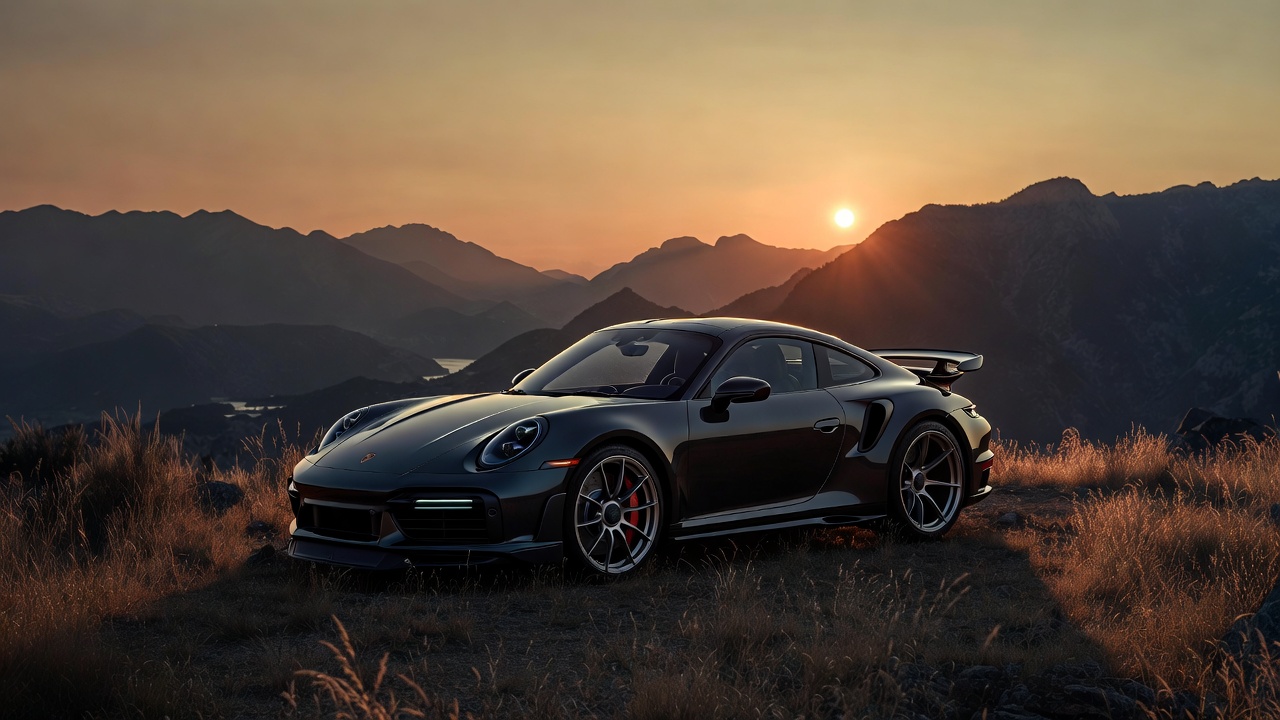
What truly sets the Porsche 911 Turbo S apart isn’t only its breathtaking acceleration or its beautifully crafted interior—it’s the way it brings everything together so effortlessly. It’s a supercar you can push to its limits on a racetrack, yet still enjoy comfortably in daily traffic. This rare balance of performance and practicality is exactly why the 911 Turbo S continues to stand as one of the most admired and respected sports cars in automotive history.
Whether you’re a Porsche enthusiast, a budding car lover, or simply someone exploring the world of supercars, the Turbo S proves that true greatness comes from evolution, refinement, and a relentless pursuit of excellence. In a world filled with loud and flashy performance cars, the Turbo S quietly dominates—through precision, heritage, and pure driving brilliance.
If you enjoyed this detailed look into the legacy and power of the Porsche 911 Turbo S, feel free to share the article, leave a comment, or explore more classic and modern car stories on our website. Your support helps us bring more inspiring automotive content to life!
FAQs For Porsche 911 Turbo S
1. What is the top speed of the Porsche 911 Turbo S?
Ans. Around 330 km/h, depending on the model year.
2. How fast is the 0–100 km/h acceleration?
Ans. It can reach 100 km/h in around 2.6 seconds.
3. Is the Porsche 911 Turbo S good for daily use?
Ans. Yes! It’s one of the most practical supercars in the world with comfort, ride quality, and reliability.
4. What engine does the Turbo S use?
Ans. A 3.8-liter twin-turbocharged flat-six engine.
5. What makes the Turbo S different from the standard Turbo?
Ans. Higher horsepower, better brakes, more advanced features, and quicker acceleration.
6. How much horsepower does the Turbo S produce?
Ans. Around 640 hp, depending on year and variant.
7. Does the Turbo S come with AWD?
Ans. Yes, all Porsche 911 Turbo and Turbo S models feature all-wheel drive.
8. When was the first Porsche 911 Turbo introduced?
Ans. In 1975, known as the Porsche 930.
9. Why was the 1975 Porsche Turbo called ‘The Widowmaker’?
Ans. Its sudden turbo boost and unpredictable power delivery made it challenging to handle.
10. What is the price of a new Porsche 911 Turbo S?
Ans. It varies by country, but generally ranges between $200,000 to $250,000.
11. Is the Turbo S faster than a Lamborghini Huracán?
Ans. In most acceleration tests, yes, the Turbo S is quicker.
12. Is the Turbo S suitable for long drives?
Ans. Absolutely. It has great comfort, a refined cabin, and excellent cruising ability.