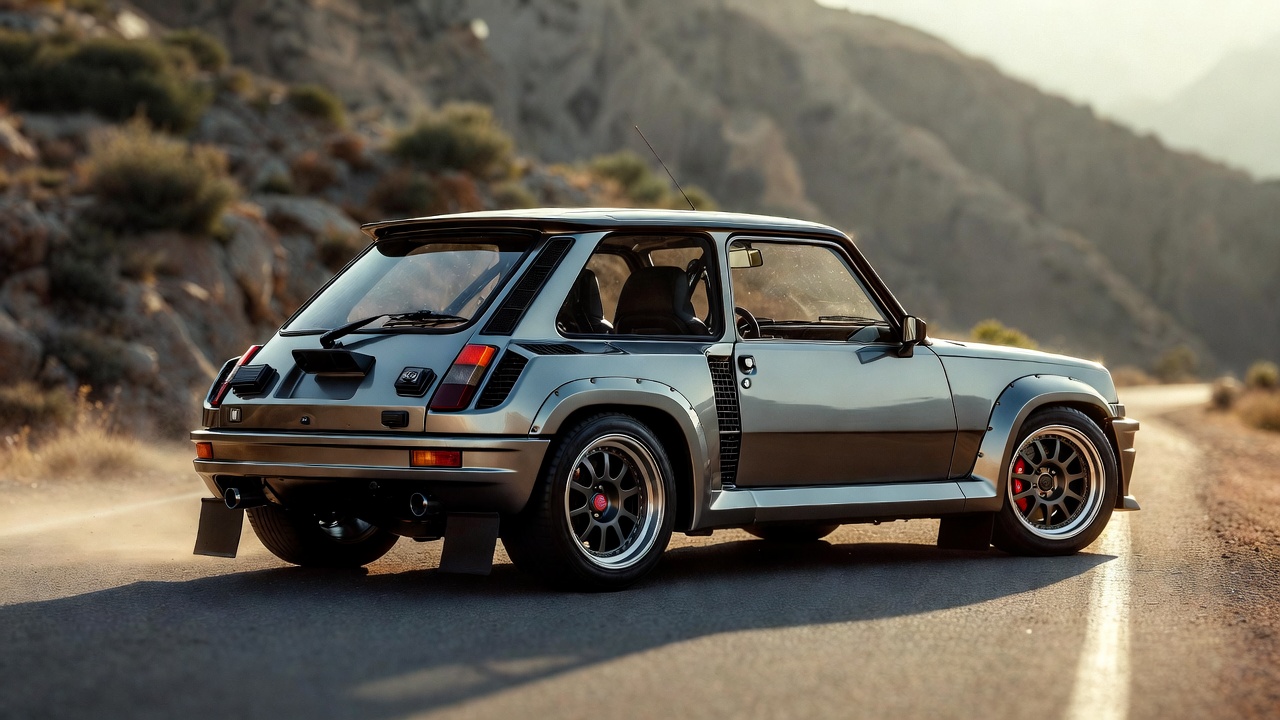
Some cars are fast. Some cars are rare. And then there are cars that completely rewrite the rulebook. The Renault 5 Turbo belongs to that last category. Born out of rally racing, engineered with bold ideas, and styled like nothing else on the road, it became a legend almost overnight. Even decades later, enthusiasts still talk about it with wide eyes and excited voices.
The Renault 5 Turbo matters because it proved that a small hatchback could be wild, uncompromising, and world-class. It wasn’t just a tuned city car—it was a purpose-built performance machine that brought motorsport DNA straight to the streets. In this blog, we’ll explore the full story of the Renault 5 Turbo its origin, design, engineering, performance, motorsport success, and why it remains one of the most iconic cars ever built.
Whether you’re a beginner car lover or a hardcore enthusiast, this guide will walk you through everything you need to know—simply, clearly, and with passion.
The Birth of the Renault 5 Turbo
Why Renault Created the Renault 5 Turbo
In the late 1970s, rally racing was evolving fast. Manufacturers were pushing boundaries, experimenting with turbocharging, lightweight construction, and radical layouts. Renault wanted a serious contender for international rallying, especially for the newly emerging Group 4 and later Group B regulations.
Instead of designing a brand-new car from scratch, Renault made a bold decision: transform the humble Renault 5 supermini into a rally monster. That decision gave birth to the Renault 5 Turbo.
Key goals behind the project:
- Create a competitive rally car
- Keep the vehicle compact and lightweight
- Showcase Renault’s turbocharging expertise
- Build a road-going version for homologation
This was not about comfort or practicality. It was about speed, control, and attitude.
Radical Design and Layout
A Small Hatch With a Supercar Mindset
At first glance, the Renault 5 Turbo looks like an exaggerated version of the standard Renault 5. But look closer, and the differences are dramatic.
Unlike the regular front-engine, front-wheel-drive Renault 5, the Turbo version featured:
- Mid-mounted engine behind the driver
- Rear-wheel drive instead of front-wheel drive
- Wide body panels to accommodate massive tires
- Aggressive stance inspired by rally requirements
This layout was closer to a Ferrari than a city hatchback.
Exterior Styling That Screams Performance
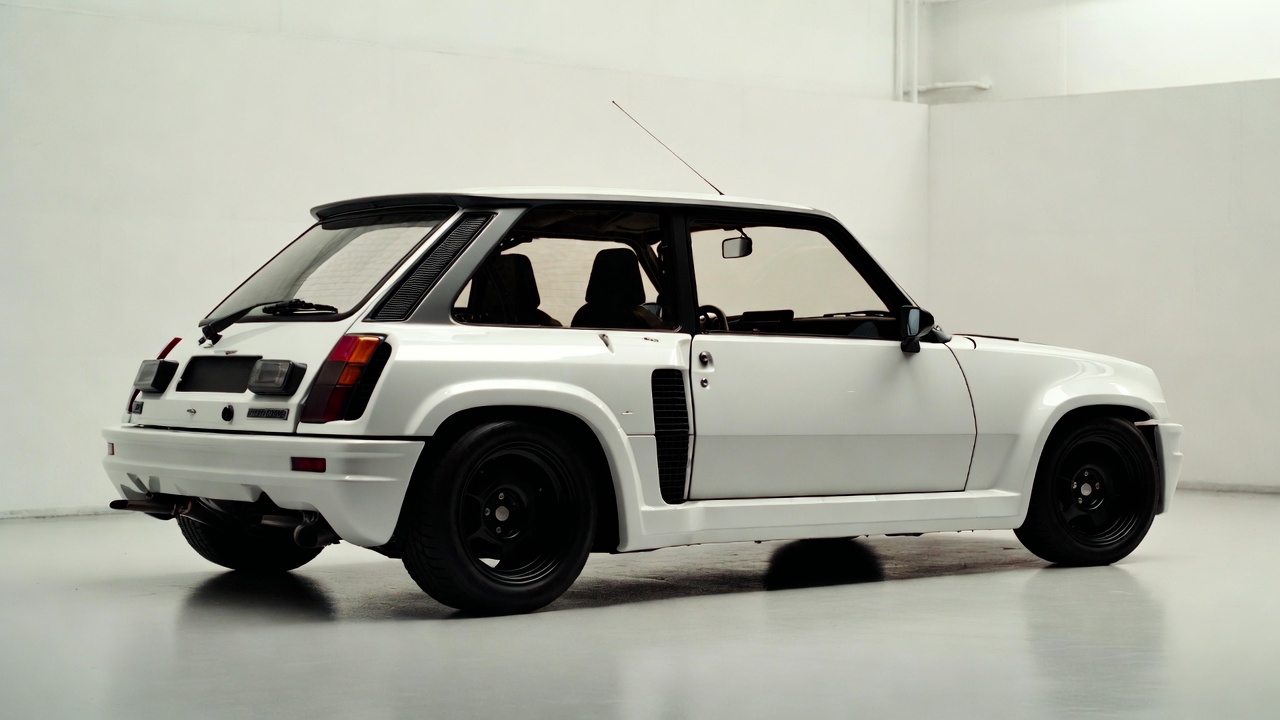
The Renault 5 Turbo’s design wasn’t just for show. Every panel had a purpose.
Notable exterior features:
- Boxy wheel arches for improved stability
- Large rear air intakes feeding the turbocharged engine
- Lightweight materials like aluminum and fiberglass
- Short wheelbase for quick directional changes
It looked wild because it was wild.
Interior: Raw, Focused, and Driver-Centric
Built for Driving, Not Luxury
Step inside the Renault 5 Turbo, and you instantly know this is not a normal hatchback. The interior was designed to keep the driver fully engaged.
Highlights include:
- Deeply bolstered bucket seats
- A simple but purposeful dashboard
- Central instrument cluster angled toward the driver
- Minimal sound insulation to save weight
In early versions, comfort took a back seat to performance. Later models added small refinements, but the spirit remained raw and focused.
Engine and Performance
Turbocharging Done Right
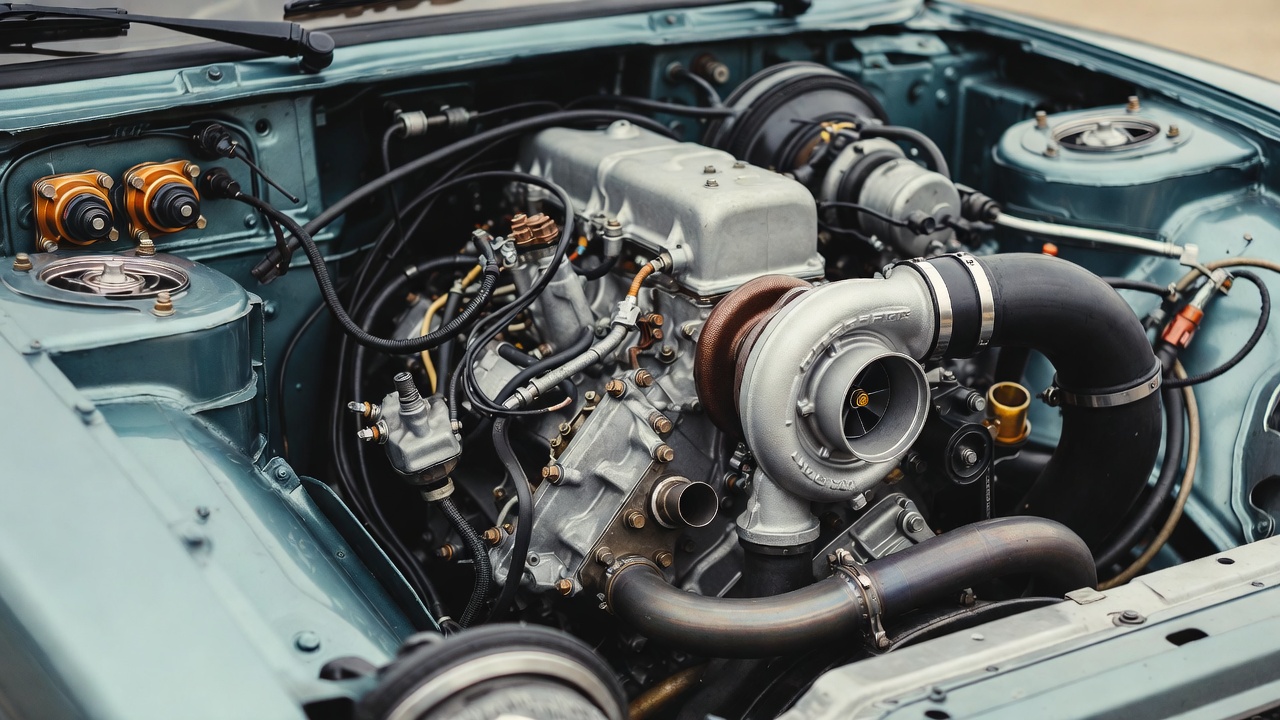
The heart of the Renault 5 Turbo was its turbocharged 1.4-liter inline-four engine. While that might sound modest today, it was revolutionary at the time.
Performance figures (approximate, depending on version):
- Power output: 160–185 horsepower
- 0–100 km/h: Around 6.5 seconds
- Top speed: Over 200 km/h
What made the experience special wasn’t just the numbers—it was the way the turbo delivered power. Below boost, the car felt manageable. Once the turbo kicked in, it felt explosive.
Driving Experience
Driving the Renault 5 Turbo demanded respect.
Characteristics included:
- Strong turbo lag followed by sudden acceleration
- Short wheelbase that made it extremely agile
- Rear-wheel-drive behavior that rewarded skilled drivers
It wasn’t forgiving, but that’s exactly why enthusiasts loved it.
Renault 5 Turbo vs Renault 5 Turbo 2
Understanding the Differences
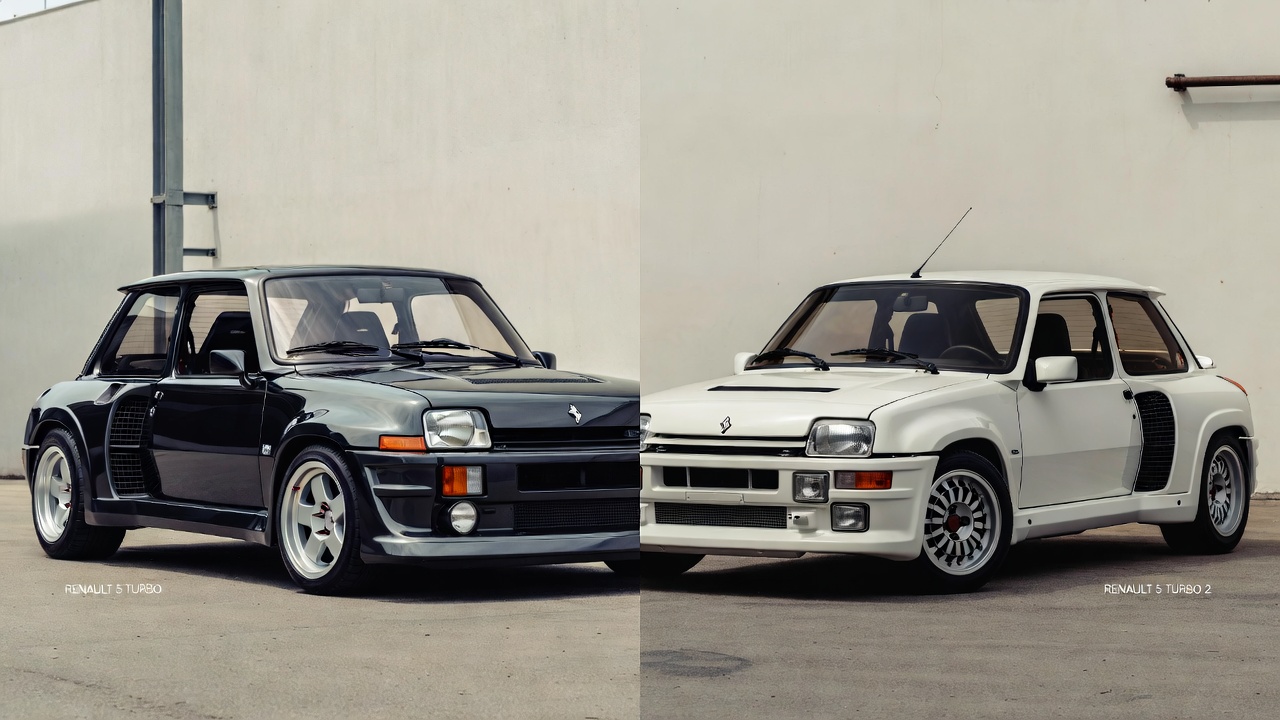
Renault produced two main road-going versions: the Renault 5 Turbo and the Renault 5 Turbo 2.
Renault 5 Turbo (Original):
- More expensive materials
- Aluminum doors and roof
- Higher production cost
Renault 5 Turbo 2:
- Steel body panels
- Slightly heavier
- More affordable
Despite the cost-cutting, the Turbo 2 delivered nearly the same performance and driving excitement, making it popular among buyers.
Motorsport Legacy
Rallying Success and Cultural Impact
The Renault 5 Turbo was born to race—and it showed.
Motorsport achievements:
- Competitive in Group 4 and Group B rallying
- Multiple podium finishes in international events
- Proven reliability under extreme conditions
Its short wheelbase and explosive power made it especially effective on twisty tarmac stages.
More importantly, it helped define the idea that small cars could dominate motorsport.
Why the Renault 5 Turbo Became a Legend
A Perfect Storm of Innovation
- Radical engineering
- Motorsport pedigree
- Limited production numbers
- Fearless design philosophy
It didn’t try to please everyone. It was built for drivers who wanted something intense and unforgettable.
Collectibility and Market Value Today
A Highly Desired Classic
Today, the Turbo is one of the most collectible hot hatches ever made.
Reasons for its rising value:
- Low production numbers
- Strong motorsport history
- Unique mid-engine layout
- Nostalgia factor
Well-maintained examples often sell for very high prices, especially original-spec cars.
Influence on Modern Performance Cars
A Blueprint for Future Icons
The Turbo influenced generations of performance vehicles.
- Modern hot hatches with motorsport roots
- Turbocharged small-displacement engines
- Renault’s continued focus on performance sub-brands
It proved that innovation doesn’t require size—just bold thinking.
Conclusion For Renault 5 Turbo
The Renault 5 Turbo stands as one of the most daring experiments ever attempted by a mainstream car manufacturer. At a time when most small cars focused on economy and practicality, Renault chose a completely different path—placing a turbocharged engine behind the driver, driving the rear wheels, and building the car primarily to win rallies. This approach was risky, expensive, and unconventional, yet it paid off by creating an icon that still commands respect decades later.
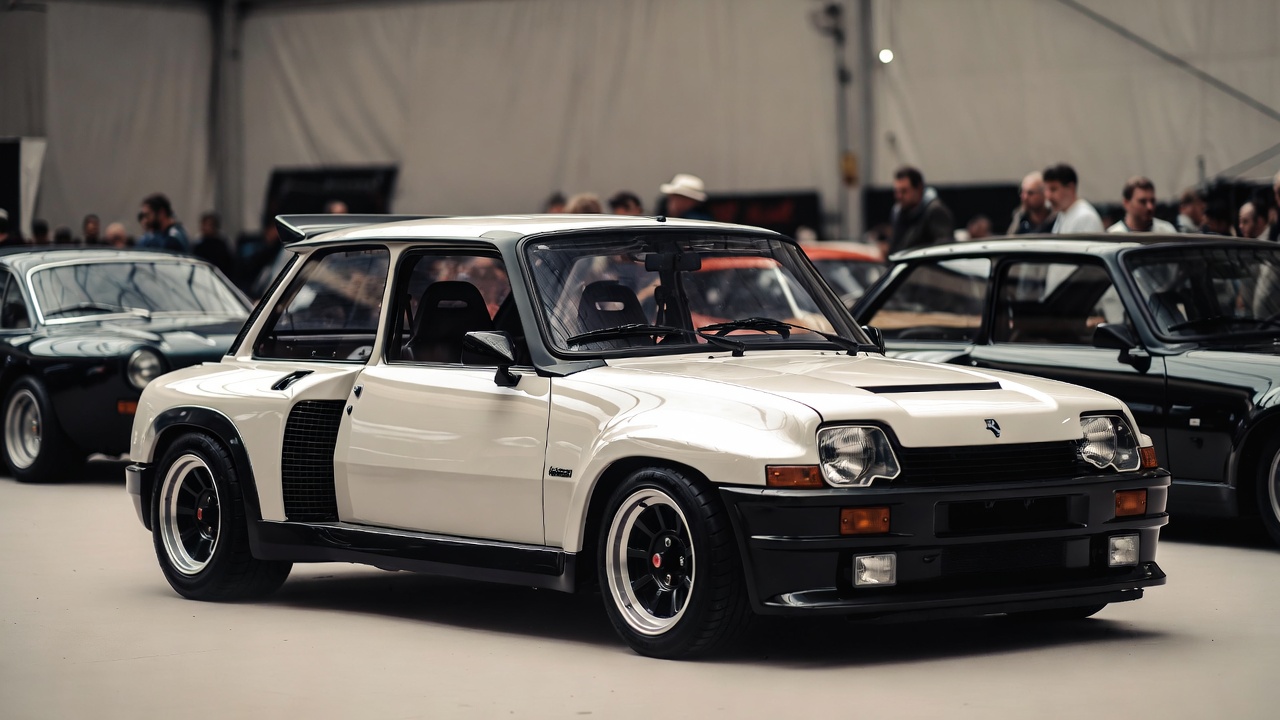
What makes the Turbo truly special is its authenticity. This was not a marketing-driven performance trim; it was a competition car adapted for the road. Its engineering decisions—mid-engine layout, lightweight construction, and aggressive aerodynamics—were dictated by motorsport needs, not comfort or mass appeal. As a result, every drive feels mechanical, intense, and deeply connected to Renault’s rally ambitions of the early 1980s.
Historically, the Renault Turbo also marked a turning point in performance car culture. It helped prove that turbocharging could deliver serious performance from small-displacement engines, a philosophy that modern manufacturers still rely on today. Its success influenced future hot hatches and reinforced Renault’s reputation as an innovator willing to challenge conventions.
Today, It is more than just a classic—it is a rolling piece of motorsport history. Its rising collector value, limited production numbers, and unmistakable design ensure its place among the most important performance cars ever made. Few vehicles capture the spirit of their era so perfectly.
👉 If this deep dive into the Renault 5 Turbo inspired you, share it with fellow car enthusiasts, drop your thoughts in the comments, or explore our other stories on legendary performance machines.
Frequently Asked Questions (FAQ) For Renault 5 Turbo
1. What is the Renault 5 Turbo?
Ans. The Renault 5 Turbo is a high-performance, mid-engine hatchback developed by Renault for rally racing and road homologation.
2. Is the Renault 5 Turbo different from a normal Renault 5?
Ans. Yes. It features a mid-mounted engine, rear-wheel drive, wider body, and completely different engineering.
3. How powerful is the Renault 5 Turbo?
Ans. Depending on the version, it produces around 160–185 horsepower.
4. Why is the Renault 5 Turbo so famous?
Ans. Its radical design, rally success, and unique driving experience made it legendary.
5. What is the Renault 5 Turbo 2?
Ans. It is a more affordable version with steel panels instead of aluminum but similar performance.
6. Was the Renault 5 Turbo successful in motorsport?
Ans. Yes, especially in rally events during the early 1980s.
7. Is the Renault 5 Turbo rare today?
Ans. Very rare. Limited production numbers make it highly collectible.
8. Is it difficult to drive?
Ans. Yes. Its turbo lag and rear-wheel-drive layout require skill and respect.
9. What makes it different from modern hot hatches?
Ans. Its mid-engine layout and raw nature set it apart from today’s front-wheel-drive designs.
10. Is the Renault 5 Turbo a good investment?
Ans. Many consider it a strong investment due to rising classic car values.
11. Can you still race a Renault 5 Turbo today?
Ans. Yes, in historic racing and rally events.
12. Why do enthusiasts still love the Renault 5 Turbo?
Ans. Because it represents fearless engineering and pure driving excitement.