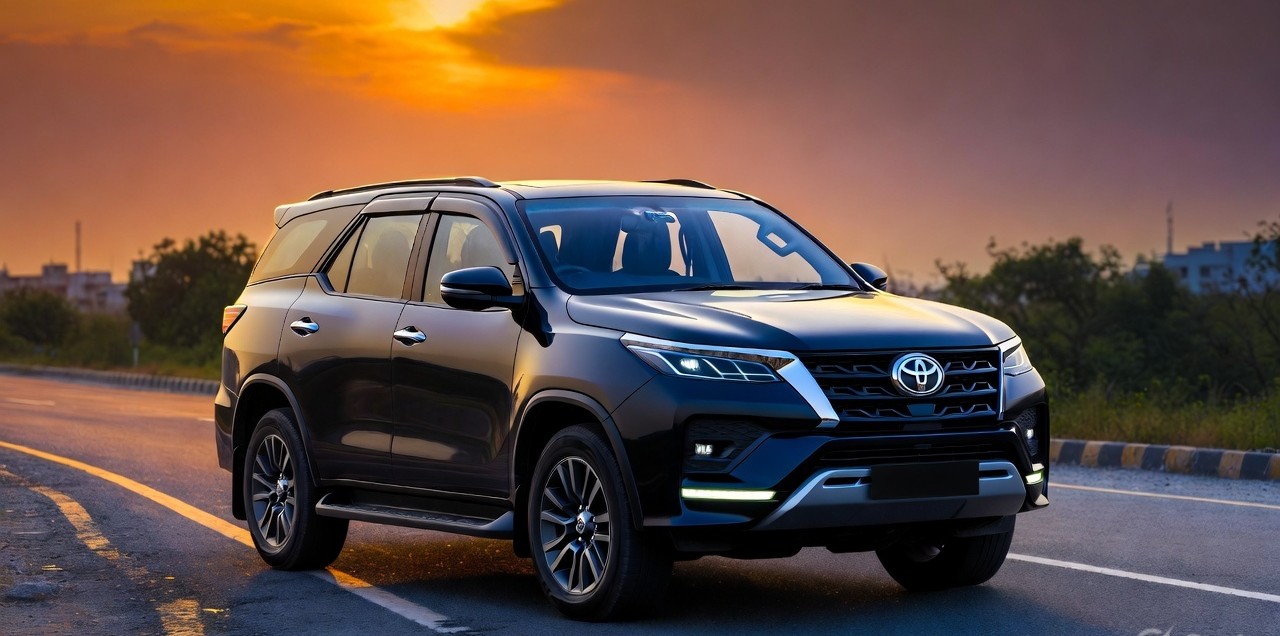
The Toyota Fortuner is not just an SUV in India — it is a cultural symbol. Over the years, it has evolved from being a premium choice to becoming a benchmark in the full-size SUV segment. When people discuss big, powerful, road-dominating vehicles, the Fortuner almost automatically enters the conversation.
What makes it so special?
It’s not just the size. It’s not just the diesel engine. It’s not even just the badge.
The feeling when you sit high above traffic and see everything clearly.
The feeling when other vehicles instinctively make way.
The feeling when rough roads don’t intimidate you.
For many buyers spending upwards of ₹40 lakh, a car isn’t just transportation — it’s a statement of achievement. And the Fortuner has become one of the most common statements of success across urban cities, small towns, and even rural India.
Yet the market in 2026 is far more competitive than it was a decade ago. Technology is advancing rapidly. Competitors are offering ADAS systems, panoramic sunroofs, massive touchscreens, hybrid engines, and premium cabin experiences.
So here’s the real debate:
Is the Toyota Fortuner still relevant purely because of legacy?
Or does it genuinely deliver a level of value and reliability that keeps it ahead?
To answer that honestly, we need to examine it from every angle — design, engineering, ownership, emotional appeal, and real-world practicality.
The Legacy Behind the Name – Toyota Fortuner History & Reliability
The Toyota Fortuner’s story is rooted in mechanical strength. It shares its underpinnings with the globally renowned Toyota Hilux, a pickup truck famous for surviving some of the harshest terrains in the world. From deserts to mountain passes, the Hilux built a reputation for near-indestructibility.
That same ladder-frame chassis philosophy is embedded in the Fortuner.
Unlike monocoque SUVs that prioritize comfort and lightness, the Fortuner’s body-on-frame construction emphasizes durability and load-bearing capability. This architecture is often preferred for:
- Heavy-duty usage
- Towing capability
- Off-road strength
- Long-term structural integrity
In India, Toyota strengthened its reliability image through vehicles like the Toyota Innova, which became synonymous with high mileage durability. Many Innovas crossed 3–5 lakh kilometers with minimal mechanical drama — something that deeply influenced buyer trust.
When the Toyota Fortuner entered the Indian market, it quickly gained acceptance among:
- Business owners
- Politicians
- Contractors
- Highway travelers
- Large families
Over time, it became more than just a vehicle — it became a default premium SUV choice.
One of its strongest legacy pillars is resale value. Used Toyota Fortuner command strong prices even after several years of ownership. That stability reinforces buyer confidence and strengthens its long-term value proposition.
Legacy is earned through consistency — and the Fortuner has maintained that consistency for over a decade
Design & Exterior – Bold Road Presence and Muscular SUV Styling
The design of the Toyota Fortuner reflects its engineering philosophy: bold, upright, and authoritative.
It measures over 4.7 meters in length and stands tall with substantial ground clearance. Those proportions alone create visual dominance. But beyond size, the design elements are carefully executed to enhance presence without overcomplicating aesthetics.
It doesn’t chase aggressive gimmicks or unnecessary curves. Instead, it focuses on proportion, symmetry, and muscular detailing.
Let’s analyze each angle deeply.
Bold Front Profile
The front fascia of the Toyota Fortuner carries a commanding aura. The grille is wide and prominent, often accented with chrome elements that emphasize width. The headlamp design is sharp and modern, incorporating LED projector technology for improved night visibility.
The high bonnet line contributes to an imposing face. From a driver’s seat perspective, that raised bonnet enhances the feeling of driving something substantial.
Functional aspects of the front design include:
- Strong bumper cladding for durability
- Skid plate styling for rugged appearance
- Effective airflow management
- Good ground approach angle for off-road use
Unlike many SUVs that rely purely on aggressive styling cues, the Toyota Fortuner’s front design feels authentic — backed by real mechanical strength.
Side Profile
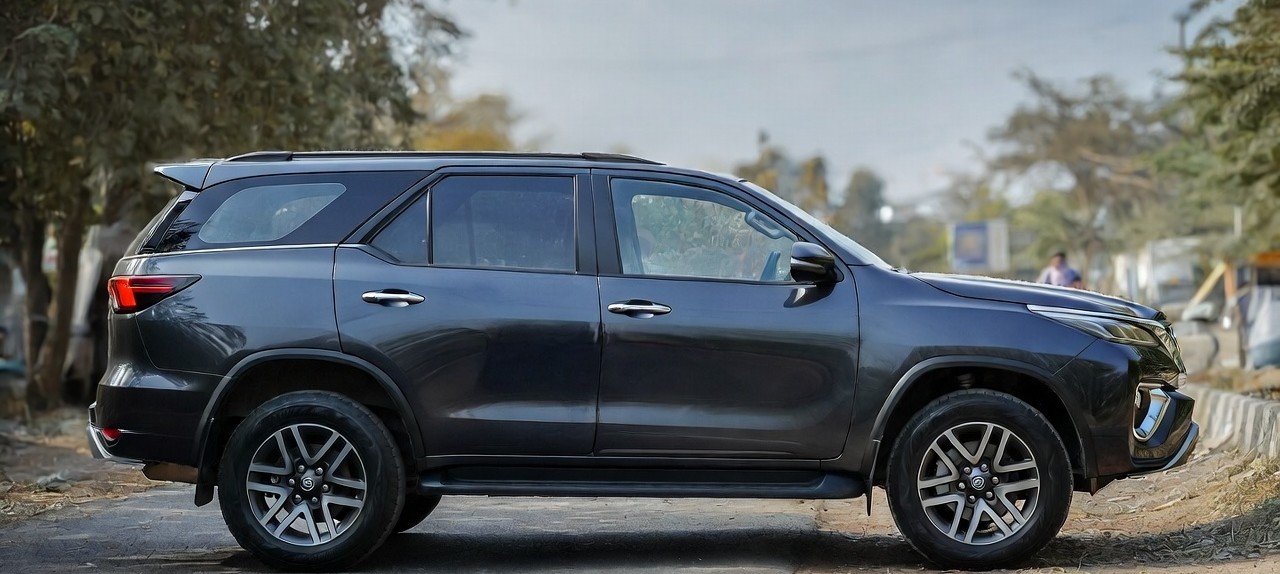
The side profile reveals the Toyota Fortuner’s true size and structural character.
The long wheelbase ensures cabin space and highway stability. The slightly flared wheel arches house large alloy wheels that complement its dimensions.
The ground clearance, typically around 225 mm, allows it to tackle uneven terrain, speed breakers, and rough rural roads without scraping the underbody.
The ladder-frame stance gives it a solid side silhouette. It doesn’t appear fragile or overly sculpted. Instead, it looks built for purpose.
The roofline remains straight, improving headroom for passengers. Window proportions balance bulk with openness, preventing the cabin from feeling claustrophobic.
Rear Design
At the rear, the Toyota Fortuner maintains simplicity with strength.
Horizontal LED tail lamps enhance width perception. The tailgate is broad and thick, reflecting sturdiness. The rear bumper design integrates reflectors and subtle chrome detailing.
Functionally, the rear windshield size ensures adequate visibility for reversing, especially considering the SUV’s dimensions.
The overall rear aesthetic avoids flashy complexity. Instead, it delivers a stable and mature appearance that ages well over time.
Interior & Features – Practical Luxury and 7-Seater Comfort
Inside the Toyota Fortuner, the focus shifts from aggression to practicality.
The cabin prioritizes usability, durability, and comfort over dramatic visual experiments.
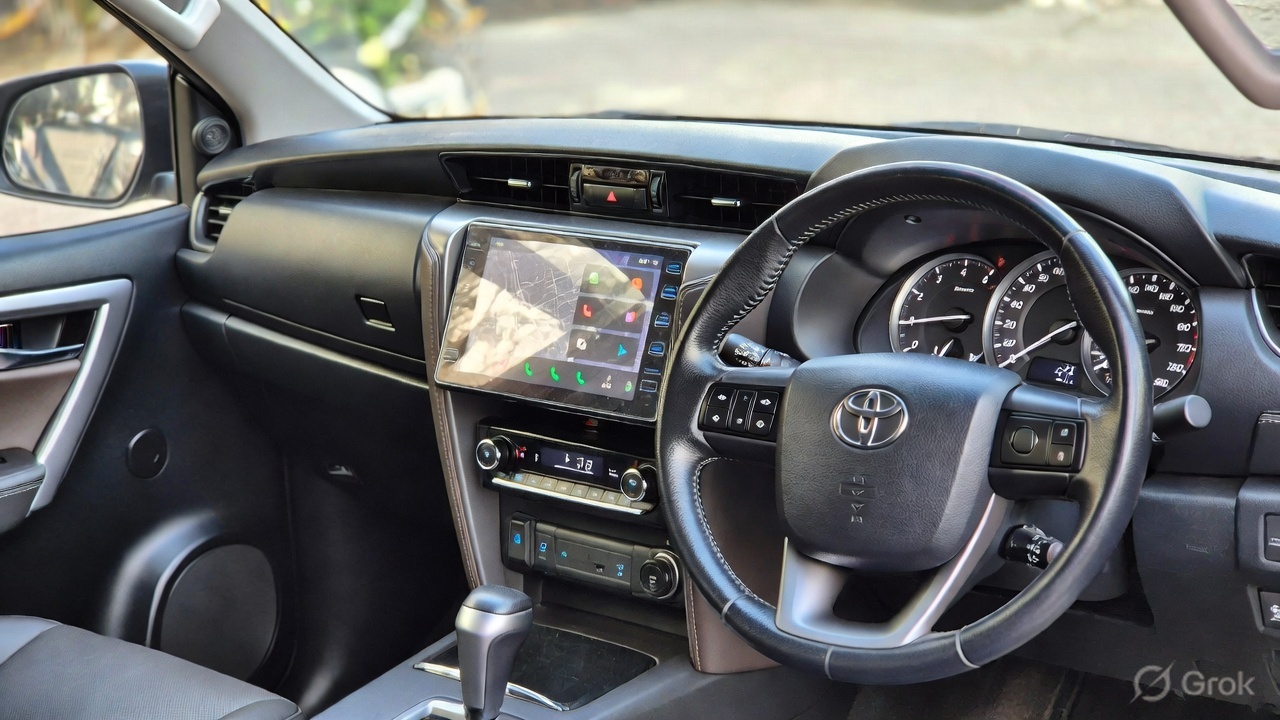
Dashboard Layout
The dashboard layout follows a clean and symmetrical structure. The infotainment screen sits centrally, easy to access without stretching. Climate controls use physical buttons and knobs — a welcome feature for drivers who prefer tactile feedback.
The instrument cluster combines analog dials with digital information display, offering clarity without overwhelming the driver.
Materials are selected for longevity. Surfaces feel sturdy rather than fragile. Over long-term ownership, this durability becomes noticeable.
The steering wheel feels thick and premium, enhancing driving engagement.
Seating Comfort
The Toyota Fortuner offers:
- 7-seater configuration
- Large, well-cushioned front seats
- Ventilated seats in top variants
- Powered driver seat
Second-row comfort is excellent for long journeys. Third-row space is decent for occasional use. The front seats are wide and supportive, offering strong back and thigh support. For long highway drives of 300–400 km, the seating ergonomics reduce fatigue.
Ventilated seats in higher variants add comfort in hot Indian climates.
Second-row passengers enjoy generous legroom and headroom. The seat recline function improves comfort during long trips.
The third row is best suited for children or shorter journeys, but remains functional for extended families.
This seating configuration makes it ideal for Indian family structures.
Cabin Space
The Toyota Fortuner’s wide body translates into comfortable shoulder room. Even three adults can sit in the second row without excessive squeezing.
Boot space expands significantly when the third row is folded. This makes it suitable for:
- Family vacations
- Airport transfers
- Business travel
- Long road trips
The high roofline enhances the feeling of openness.
Large windows allow natural light, preventing cabin heaviness.
Engine & Performance – 2.8L Diesel Power and Strong Torque
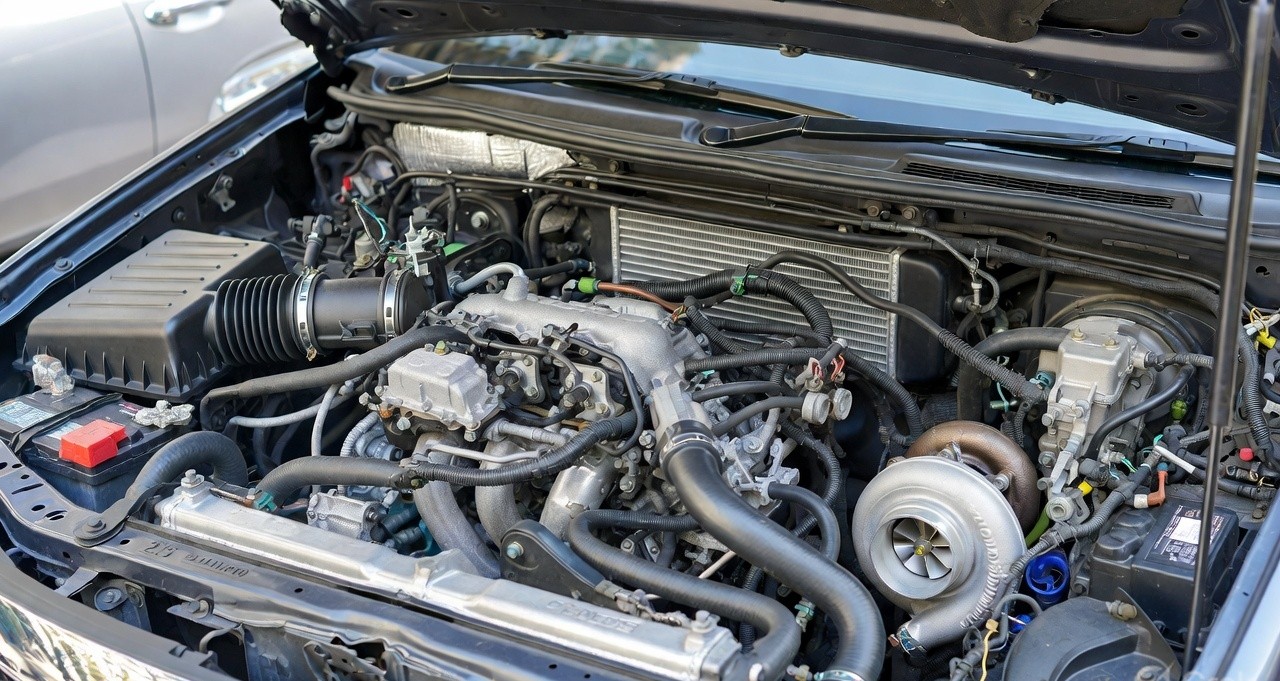
At the heart of the Toyota Fortuner lies its 2.8-litre turbocharged diesel engine.
This engine is engineered not just for speed, but for sustained performance and durability.
Diesel engines are generally preferred in India for torque delivery and fuel economy in large vehicles — and this motor delivers strong low-end torque.
Power Delivery
Torque output is available early in the RPM range, which helps:
- Smooth city acceleration
- Confident highway overtakes
- Easy hill climbs
- Towing capability
The engine rarely feels underpowered, even with full passenger load.
Throttle response is linear and predictable — ideal for controlled driving.
On-Road Performance
Highway cruising is where the Fortuner feels most comfortable.
The SUV remains stable at high speeds due to:
- Heavy chassis
- Wide track width
- Strong suspension setup
Body roll is present — typical of tall SUVs — but remains manageable.
Steering weight increases at higher speeds, improving highway confidence.
It’s not designed for sharp corner carving. It’s designed for distance and dominance.
Mileage / Fuel Efficiency – Real-World Diesel SUV Numbers
Let’s talk practicality.
For a full-size diesel SUV, the Fortuner delivers respectable mileage:
- City: Around 10–12 km/l
- Highway: Around 14–16 km/l
Of course, driving style matters.
Considering its weight and engine size, the efficiency is reasonable — not class-leading, but acceptable.
Variants & Pricing – Toyota Fortuner Price in India
The Toyota Fortuner is positioned as a premium full-size SUV, and its variant lineup reflects a carefully structured strategy rather than overwhelming buyers with too many confusing options.
Typically, the lineup includes:
- 4×2 Manual
- 4×2 Automatic
- 4×4 Manual
- 4×4 Automatic
- Legender (premium cosmetic & feature-focused trim)
Each variant is clearly targeted.
The 4×2 versions are ideal for urban and highway buyers who want the Fortuner’s presence and reliability without needing off-road capability. The 4×4 variants, on the other hand, are designed for enthusiasts who frequently travel to hilly regions, rural terrain, or unpredictable road conditions.
The Legender trim deserves special mention. It enhances the styling with sharper exterior elements, dual-tone treatment, upgraded interiors, and added premium touches. It’s aimed at buyers who want a slightly more exclusive and modern look while retaining the core mechanical strengths.
Now let’s talk pricing — because that’s where debates usually begin.
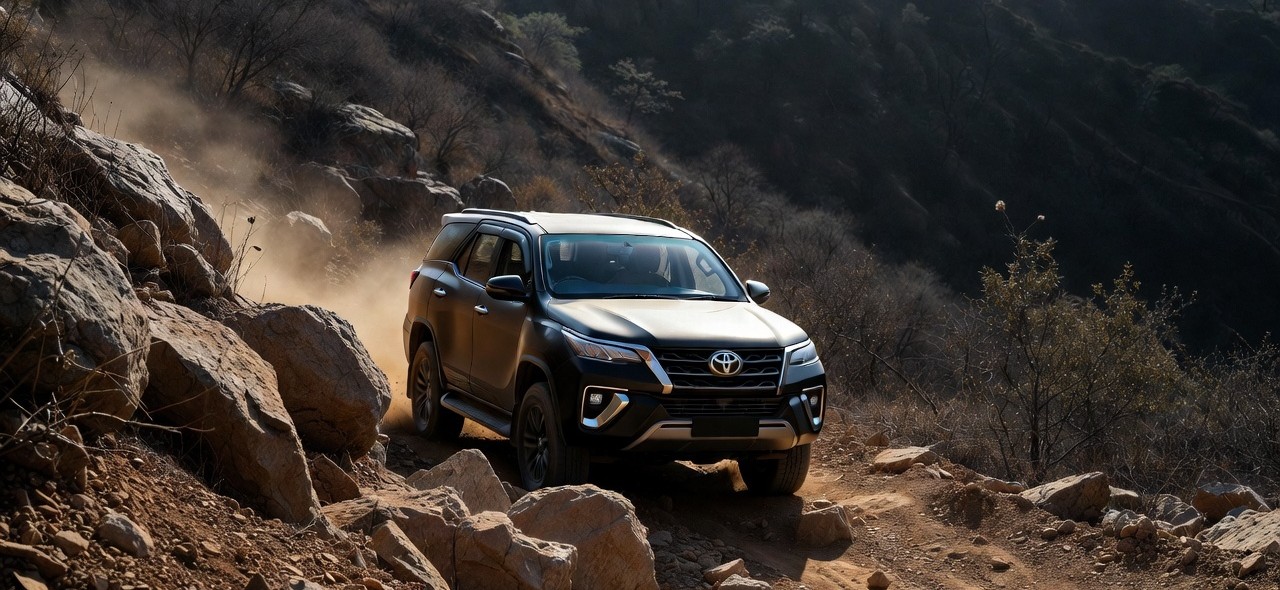
The Fortuner sits firmly in the ₹35 lakh to ₹50 lakh (ex-showroom, depending on variant and region) bracket. On-road prices can stretch even further in metropolitan cities due to taxes and registration costs.
At first glance, that number feels high.
But pricing should not be viewed in isolation.
When evaluating cost, buyers in this segment often consider:
- Long-term resale value
- Reliability over 8–10 years
- Low unexpected repair probability
- Brand trust
Historically, the Fortuner has maintained one of the strongest resale values in its category. Even after 4–5 years, used Toyota Fortuner command high demand in the pre-owned market.
That strong depreciation control reduces the effective ownership cost over time.
In other words, while the upfront investment is significant, the long-term financial stability offsets some of that premium.
Safety Features – Strong Build Quality and Stability Systems
Safety in the Toyota Fortuner is rooted in structural engineering rather than just electronic aids.
The ladder-frame chassis plays a crucial role here. Unlike monocoque crossovers that prioritize lightweight efficiency, the Fortuner’s body-on-frame construction is inherently robust. This structure is designed to absorb impact forces and maintain cabin integrity in tough conditions.
Standard and higher variant safety equipment typically includes:
- Multiple airbags (front, side, curtain in select trims)
- ABS with EBD
- Vehicle Stability Control (VSC)
- Traction Control System
- Hill Assist Control
- Downhill Assist Control (in 4×4 variants)
- Rear parking camera and sensors
Vehicle Stability Control is particularly useful during sudden lane changes or slippery surfaces. It helps maintain directional control by applying braking force to individual wheels when required.
Hill Assist prevents rollback on inclines — a practical feature in hilly regions or flyovers.
The braking system feels progressive and predictable. Even though the SUV weighs over two tonnes, braking confidence remains strong under normal driving conditions.
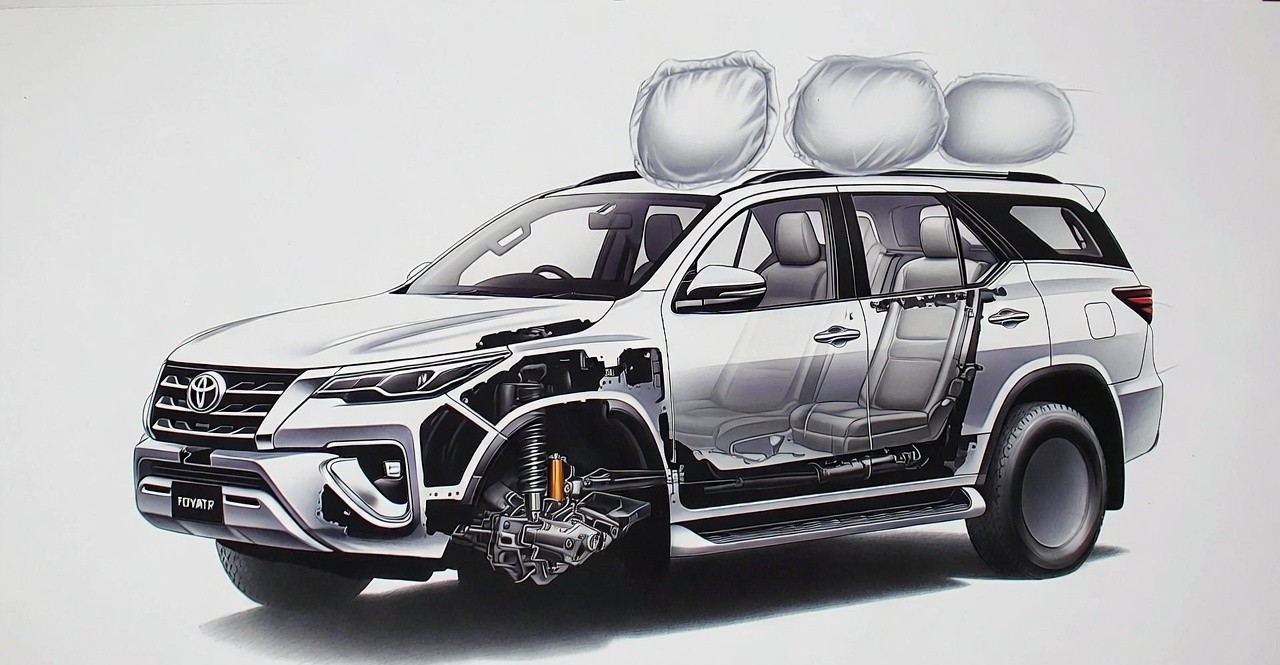
While some competitors emphasize ADAS features like lane keep assist and adaptive cruise control, the Fortuner focuses more on proven mechanical and stability-based safety systems.
For many buyers, especially those traveling long highway distances or rural terrain, structural durability often matters more than sensor-based technology.
Safety in the Toyota Fortuner feels mechanical, physical, and reassuring — not just digital.
Technology & Infotainment – Connected Features and Usability
Technology inside the Toyota Fortuner follows Toyota’s conservative but reliable philosophy.
The infotainment system supports:
- Android Auto
- Apple CarPlay
- Bluetooth connectivity
- USB and auxiliary inputs
- Premium sound system in higher trims
The touchscreen interface is functional and easy to navigate. It may not be the largest screen in the segment, but it prioritizes clarity and responsiveness.
System lag is minimal. That reliability matters more in day-to-day usage than flashy animations.
The instrument cluster typically combines analog dials with a multi-information display. This hybrid approach ensures readability in bright sunlight — something full-digital panels sometimes struggle with.
Higher variants may include:
- Drive modes
- Connected car technology
- Smart entry and push-button start
- Wireless charging (in some markets)
However, the Fortuner does not overwhelm drivers with excessive digital complexity. Controls remain intuitive.
Physical AC buttons, steering-mounted controls, and clearly labeled switches improve ease of use while driving.
In an era where many SUVs are turning into giant tablets on wheels, the Fortuner maintains a driver-focused cockpit.
It values usability over experimentation.
For buyers who prefer dependable systems over cutting-edge but occasionally glitchy tech, this balance feels reassuring.
Competitors Comparison – Fortuner vs Rivals in India
Let’s compare it with key rivals in India.
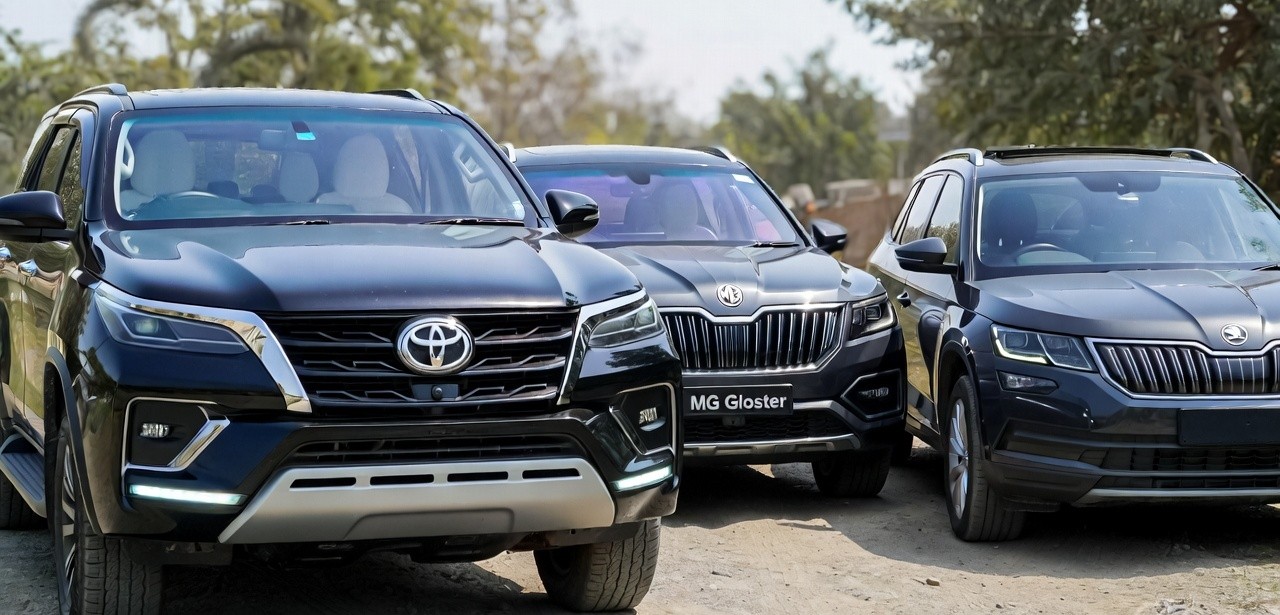
The Endeavour has strong road presence and powerful engines. It feels premium inside.
However, Ford’s exit from India created long-term service concerns.
The Gloster offers advanced ADAS features and a tech-heavy interior.
But brand trust and resale value still favor Toyota.
More refined and car-like. Excellent petrol engine.
But it’s not as rugged or off-road capable as the Fortuner.
Final Verdict
The Toyota Fortuner may not be the most feature-loaded.
But it wins in durability, resale, reliability, and brand trust.
Pros & Cons – Strengths and Limitations
Pros
- Powerful diesel engine
- Massive road presence
- Excellent resale value
- Proven reliability
- Strong build quality
- 4×4 capability
Cons
- Expensive
- Interior design feels slightly dated
- Ride quality can be stiff at low speeds
- Limited petrol options
No car is perfect. Not even this one.
Real-World Driving Experience – What It Actually Feels Like
Driving the Toyota Fortuner is less about speed and more about authority.
The first thing you notice is the seating position. You sit high — noticeably higher than most vehicles on the road. That elevated stance improves visibility dramatically. You can anticipate traffic movement earlier and plan overtakes confidently.
In city traffic, despite its size, the Fortuner doesn’t feel intimidating once you get used to its dimensions. The steering is slightly heavy at low speeds, but that weight adds to the feeling of control.
On highways, the experience transforms.
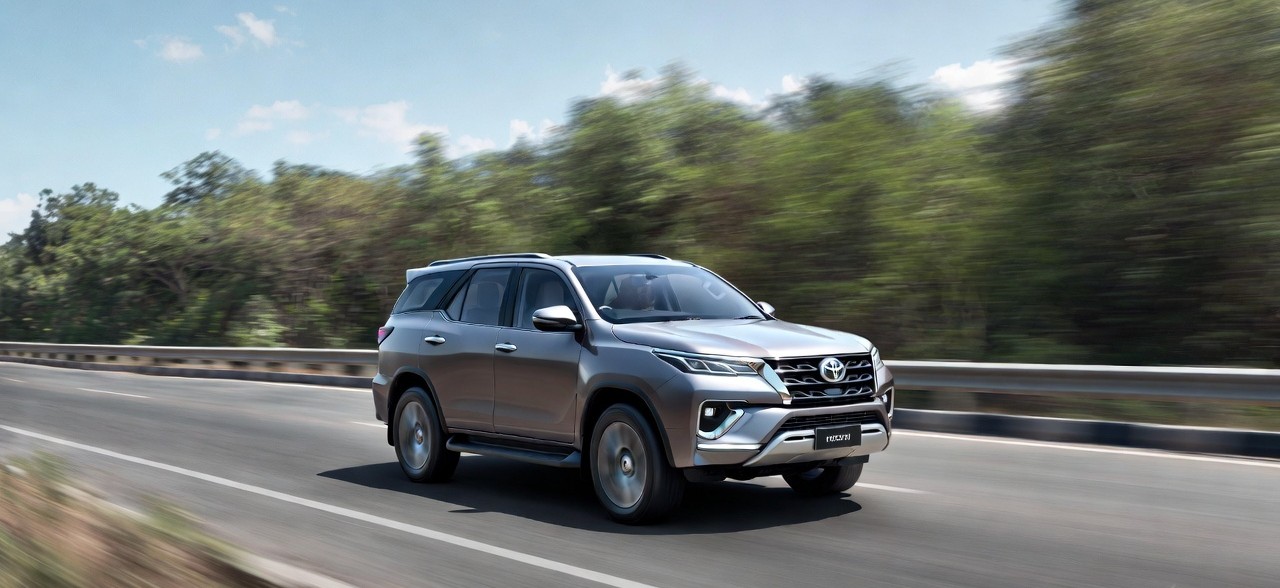
At cruising speeds of 100–120 km/h, the SUV feels stable and planted. Crosswinds do not easily unsettle it. The long wheelbase contributes to directional stability, making long journeys less tiring.
Overtaking slower vehicles requires only gentle throttle input due to strong torque delivery.
On broken roads or uneven patches, the suspension absorbs impact confidently. You may feel the firmness — because it is a body-on-frame SUV — but it never feels fragile.
In rural areas or during monsoon conditions, the generous ground clearance becomes extremely valuable. Waterlogged streets, potholes, and rough patches become manageable obstacles rather than stressful situations.
The Toyota Fortuner doesn’t encourage aggressive cornering. Instead, it encourages steady, confident driving.
You feel secure. Protected. In control.
That emotional sense of safety and dominance is a key part of its real-world appeal.
Who Should Buy the Toyota Fortuner?
This SUV is not for everyone.
You should consider it if:
- You want a powerful, long-term SUV
- You prioritize reliability over flashy features
- You need 4×4 capability
- You care about resale value
- You travel long distances frequently
Avoid it if:
- You want ultra-modern cabin tech
- You’re looking for budget-friendly options
- You mostly drive within tight city lanes
Ownership Experience & Maintenance – Long-Term Reliability
One of the strongest pillars supporting the Toyota Fortuner’s reputation is ownership experience.
Toyota’s operations in India are managed under Toyota Kirloskar Motor, which has built a reliable service network across metro cities, tier-2 towns, and even smaller regions.
Service intervals are predictable and typically spaced reasonably, reducing frequent workshop visits.
Routine maintenance costs are considered manageable for a vehicle in this price category. While parts may not be cheap in absolute terms, their durability often reduces replacement frequency.
Owners frequently report:
- Strong engine longevity
- Minimal unexpected breakdowns
- Good spare parts availability
- Professional service support
Another critical factor is mechanical simplicity relative to some feature-heavy rivals. Fewer complex electronic systems can sometimes translate into fewer long-term technical issues.
Insurance costs are typical for the segment, but resale strength compensates significantly when it’s time to sell.
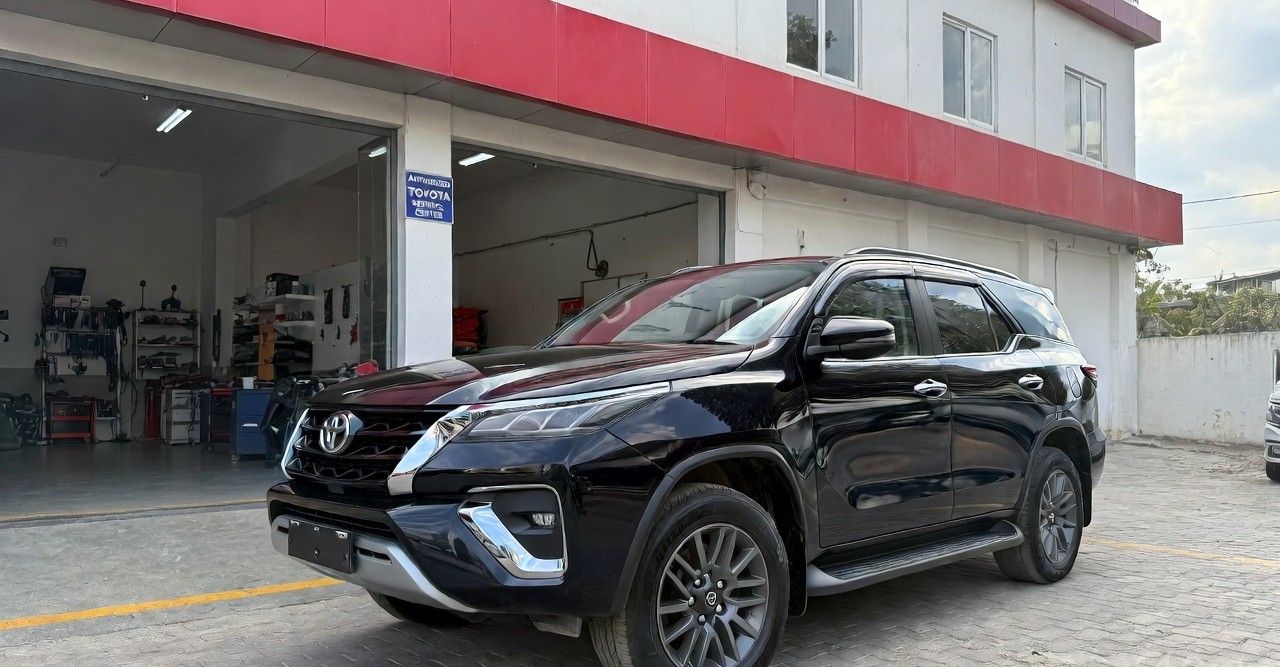
Many Toyota Fortuner owners keep their vehicles for 8–10 years or more, which speaks volumes about satisfaction levels.
Peace of mind is not easily measurable — but it’s extremely valuable.
Conclusion – Is the Toyota Fortuner Still the King in 2026?
The Toyota Fortuner has been one of the most trusted full-size SUVs in India for many years. Even today, after so much competition in the market, it continues to hold a strong position. That itself says a lot about the product.
Many newer SUVs offer more features, bigger screens, panoramic sunroofs, ADAS systems, and sometimes even better ride comfort. On paper, some rivals may look more modern. However, the Fortuner is not just about features. It is about durability, reliability, and long-term ownership peace of mind.
One of the biggest reasons behind its popularity is Toyota’s strong reputation for reliability. The 2.8-litre diesel engine is powerful, refined for its size, and built to last. The ladder-frame chassis gives it toughness that works well on rough roads, highways, and even off-road trails. This SUV feels solid and dependable in real-world conditions.
Another important factor is resale value. The Fortuner holds its value extremely well compared to many competitors. For buyers who think long-term, this makes a big difference. Even after years of use, demand in the used car market remains strong.
Yes, it is expensive. Yes, it does not offer the most futuristic cabin in the segment. But what it offers is confidence. When you drive a Fortuner, you feel safe, powerful, and in control. That feeling matters to many buyers more than just extra features.
The Fortuner may not be the flashiest SUV today, but it continues to deliver what it always promised — strength, reliability, and presence.
Land Rover Defender 110 Review. Read more….
So, is it still the king?
For buyers who want a tough, powerful, long-lasting SUV with strong brand value and excellent road presence — the answer is still yes.
Frequently Asked Questions (FAQs) For Toyota Fortuner
1. Is the Toyota Fortuner worth buying in 2026?
Ans. Yes, the Toyota Fortuner is still worth buying in 2026 if you prioritize reliability, strong road presence, and long-term durability. While competitors offer more tech features, the Fortuner stands out for its powerful diesel engine, ladder-frame build, high resale value, and trusted ownership experience.
2. What is the real mileage of the Toyota Fortuner?
Ans. The real-world mileage of the Toyota Fortuner diesel variant is typically:
City: 10–12 km/l
Highway: 14–16 km/l
Actual mileage depends on driving style, traffic conditions, and load. For a full-size SUV with a 2.8-litre engine, this efficiency is considered reasonable.
3. Which engine is available in the Toyota Fortuner?
Ans. The Toyota Fortuner is primarily available with a 2.8-litre turbocharged diesel engine in India. This engine is known for strong torque delivery, smooth highway cruising, and long-term reliability.
4. Is the Toyota Fortuner a 7-seater SUV?
Ans. Yes, the Toyota Fortuner is a 7-seater SUV. It comes with three rows of seating. The first and second rows offer excellent comfort, while the third row is best suited for children or short-distance travel.
5. Does the Toyota Fortuner have 4×4 capability?
Ans. Yes, select variants of the Toyota Fortuner come with a 4×4 drivetrain. The 4×4 variants include features like Hill Assist Control and Downhill Assist Control, making them suitable for off-road driving and hilly terrains.
6. What is the price of the Toyota Fortuner in India?
Ans. The Toyota Fortuner price in India typically ranges between ₹35 lakh to ₹50 lakh (ex-showroom), depending on the variant. On-road prices may vary based on state taxes, registration charges, and insurance.
7. Is the Toyota Fortuner good for long drives?
Ans. Yes, the Toyota Fortuner is excellent for long drives. It offers:
Comfortable seating
Stable high-speed cruising
Strong diesel torque for overtakes
High driving position for better visibility
Its highway stability makes it a popular choice among long-distance travelers.
8. How safe is the Toyota Fortuner?
Ans. The Toyota Fortuner comes equipped with multiple airbags, ABS with EBD, Vehicle Stability Control, Traction Control, Hill Assist, and a strong ladder-frame chassis. Its solid build quality and stability systems contribute to a reassuring safety experience.
9. What are the main competitors of the Toyota Fortuner?
Ans. The main competitors of the Toyota Fortuner in India include:
MG Gloster
Skoda Kodiaq
Jeep Meridian
However, the Fortuner maintains an edge in resale value and long-term reliability.
10. Is Toyota Fortuner maintenance expensive?
Ans. Maintenance costs for the Toyota Fortuner are considered reasonable for a full-size SUV in its segment. While service costs are not low, the vehicle’s reliability and durability often reduce unexpected repair expenses over time.
11. Why is the Toyota Fortuner so popular in India?
Ans. The Toyota Fortuner is popular in India because of its strong road presence, powerful diesel engine, durable build quality, high resale value, and Toyota’s trusted brand reputation. It is often seen as a symbol of success and reliability.
12. Is the Toyota Fortuner better than its rivals?
Ans. The Toyota Fortuner may not offer the most advanced technology compared to some rivals, but it excels in durability, brand trust, off-road capability, and resale value. For buyers who prioritize long-term ownership peace of mind, it remains one of the strongest choices in the segment.